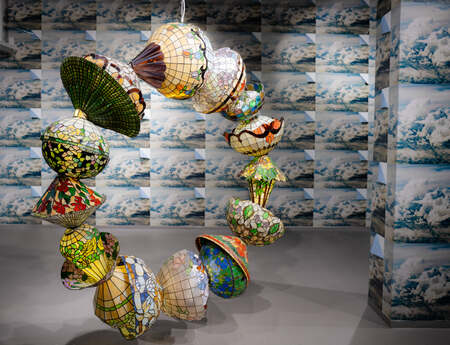
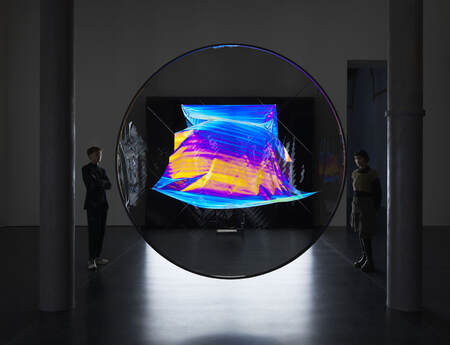
Der große Reiz unserer Disziplin

Im Interview: Dorothea Schöne (Kunsthaus Dahlem) über Aufarbeitung, Vielstimmigkeit, Kraft und internationale Perspektiven

Das XVI. Internationale Forum des Sculpture Network findet vom 29. bis 31. Oktober 2026 in Berlin statt. Unter dem Titel Bodytalk – Die Rückkehr der menschlichen Figur in der zeitgenössischen Skulptur widmet es sich der Frage, wie sich die Figur seit den 1980er-Jahren erneut als Trägerin existenzieller, gesellschaftlicher und körperlicher Erfahrungen etabliert hat. Der Begrüßungsempfang des Forums findet im Kunsthaus Dahlem statt. Es ist eines der führenden Häuser für Skulptur in Berlin und darüber hinaus – und beschäftigt sich seit seiner Eröffnung mit der Nachkriegsskulptur und ihren historischen Voraussetzungen, setzt diese jedoch immer wieder mit aktuellen künstlerischen Fragestellungen in Beziehung. Damit bildet es einen besonderen Ort für die Diskussion um Figur, Körper und Raum.
Ich sprach mit der Kunsthistorikerin und Direktorin des Kunsthauses Dahlem, Dorothea Schöne, über die veränderte Rolle der Figur, die „Entthronung“ der Skulptur und über Fragen der historischen Aufarbeitung und die Bedeutung internationaler Perspektiven für die zeitgenössische Bildhauerei.
Liebe Dorothea Schöne, das diesjährige Forum des Sculpture Network trägt den Titel Bodytalk – Die Rückkehr der menschlichen Figur in der zeitgenössischen Skulptur. Anne Berk beschreibt die zeitgenössische Figuration als offen, prozesshaft, „konzeptuell“: Es ginge bei den Skulpturen der Gegenwart nicht darum, Antworten zu liefern, sondern zum Nachdenken anzuregen. Wie verändert sich dadurch unser Verständnis von Figur?
Ich denke, dass Skulptur heute immer noch „Antworten“ liefert. Nur haben sich die Fragestellungen an die Kunst bzw. von der Kunst an die Gesellschaft verändert. Jede Zeit richtet neue Fragen an ihre Umwelt – ob nun von der Kunst initiiert oder andersherum vom Publikum. Die kritische Aufarbeitung des Kolonialismus hat uns beispielsweise auch sehr viel stärker dafür sensibilisiert, wie wir Objekte und Artefakte definieren und welchen Stellenwert das Ritual oder das Spirituelle dabei hat. Damit einher geht auch die Anerkennung von nicht-materieller, haptisch greifbarer Figur und Figürlichkeit. In diesem konstanten Verschieben und Erweitern unseres Verständnisses von Kunst – und damit auch von Figuration – besteht seit jeher der große Reiz unserer Disziplin.
Heute begegnen uns viele Figuren „auf Augenhöhe“ – ohne Sockel, ohne heroische Pose. 2024 konnten Besucher:innen sogar mit Ausstellungsobjekten kuscheln in Andreas Mühe. Bunker – Realer Raum der Geschichte. Was bedeutet es, wenn die Skulptur ihre heroische Pose verliert? Welche Verschiebung im Verhältnis zwischen Werk und Betrachter:in/-Rolle steckt darin und wobei kann sie uns heute hilfreich sein?
Es ist in der Museumswelt ganz zweifelsohne zu einer Entthronung gekommen. Das hat vor allem mit einem gewandelten Bild des Publikums zu tun. Dieses wird viel stärker eingebunden, die Vielstimmigkeit von Gesellschaften wird versucht einzufangen und widerzuspiegeln. In diesem Prozess hat der Umgang mit Kunst sicherlich auch etwas Leichteres bekommen. Gleichzeitig hat es immer schon einen humorvollen oder spielerischen Umgang mit der Kunst gegeben oder dieser ist von der Kunst ausgegangen. Und heroischen Gestus findet man auch heute noch in der Bildhauerei.
Die aktuelle Ausstellung zeigt, wie sich Künstler:innen im ehemaligen Jugoslawien zwischen staatlichen Vorgaben, internationaler Moderne und individuellen Positionen bewegten. Zeigen sich dort bereits früh Formen der Distanzierung von der Staatskunst oder des Widerspruchs?
Nein, hier geht es nicht um Widerspruch. Den hätte Tito gewiss nicht geduldet. Vielmehr geht es um einen visuellen Ausdruck einer Westanbindung. Also eine künstlerische Übersetzung dessen, was Tito politisch als Brückenstaat zwischen Ost und West zu sein versuchte. Und so leicht lässt sich im ehemaligen Jugoslawien diese Trennung von Staatskunst und internationaler Moderne nicht ziehen. Denn die internationale Moderne war eben staatlich gewollt.
Was spiegelt der geringe Anteil von Künstlerinnen in der Ausstellung: Eröffnet die Ausstellung damit implizit auch einen Blick auf die Bedingungen, unter denen Künstlerinnen wie Ksenija Kantoci oder Milena Lah arbeiteten und rezipiert wurden?
Grundsätzlich haben wir in allen europäischen Ländern nach 1945 mehr Männer und weniger Frauen in den Sammlungen und im Ausstellungskanon vertreten. Das hat vielschichtige, oftmals auch länderspezifische Gründe. Der Anteil ist in diesem konkreten Fall aber auch einfach dadurch bedingt, dass die Ausstellung einen repräsentativen Querschnitt durch die Sammlung des Nationalmuseums für Moderne in Zagreb gibt, und dieser ist in den Nachkriegsjahrzehnten sehr männerlastig. In späteren Jahrzehnten nähert sich das etwas an.
Die Aufarbeitung ideologisch belasteter Kunst und ihrer Kontexte setzt häufig erst Jahrzehnte später ein. Wer beginnt mit dieser Aufarbeitung – die Institutionen oder die Kunst selbst?
Da würde ich erneut von einem Wechselspiel reden. Und ohne eine Gesamtgesellschaft – also die Rezipierenden der Angebote sowohl von Institutionen als auch von der Kunst – kommt diese Aufarbeitung auch nicht zustande. Ich empfinde das oftmals als ein Baukastensystem, bei dem viele einzelne Steine benötigt werden, um einen Diskurs aufzunehmen und dann auch mit der notwendigen Kraft weiterzuführen und zu einem Nachhall zu bringen.
Henrike Naumann beschäftigte sich im Kunsthaus Dahlem mit den materiellen und räumlichen Spuren deutscher Geschichte (Einstürzende Reichsbauten) – ihre Arbeiten bewegen sich zwischen Installation, Inszenierung und Skulptur. Wo verlaufen für Sie die Grenzen zwischen diesen Begriffen?
In diesem konkreten Fall ist die Abgrenzung gar nicht so leicht zu ziehen, weil auch Theater und Bühnenbild in das Gesamtkonzept eingeflossen sind. Es ist dieser inszenierende Moment, der tragend wird. Inszenierung ist als Begriff wiederum eine wesentliche Schnittstelle von Skulptur und Installation. Erst im räumlichen Umfeld entfaltet sich Skulptur. Je nach Ort auch unterschiedlich. Das kann oftmals sehr spontan und unvorhergesehen passieren, während sich Installation schon früher mit Raum auseinandersetzen kann.
Später geborene Künstler:innen setzen sich häufig mit historischen Ereignissen auseinander, die sie selbst nicht erlebt haben. Welche Rolle spielt dabei der zeitliche Abstand?
Ich denke, dass eine später geborene Generation andere Sichtweisen und Möglichkeiten hat, andere Archive sichten konnte. Über neue Forschungserkenntnisse verfügt und gegebenenfalls auch einen persönlichen und emotionalen Abstand hat. Nachfolgesysteme können Freiheiten, aber auch neue Beschränkungen mit sich bringen – eben solche, die dann wiederum von einem dritten System erst wieder aufgedeckt werden. Im Grunde ist das das Wesen der Geschichtsschreibung, die von keiner absoluten historischen Wahrheit spricht, sondern immer einer den Umständen geschuldeten.
Was folgt nach der jetzigen Ausstellung im Kunsthaus Dahlem?
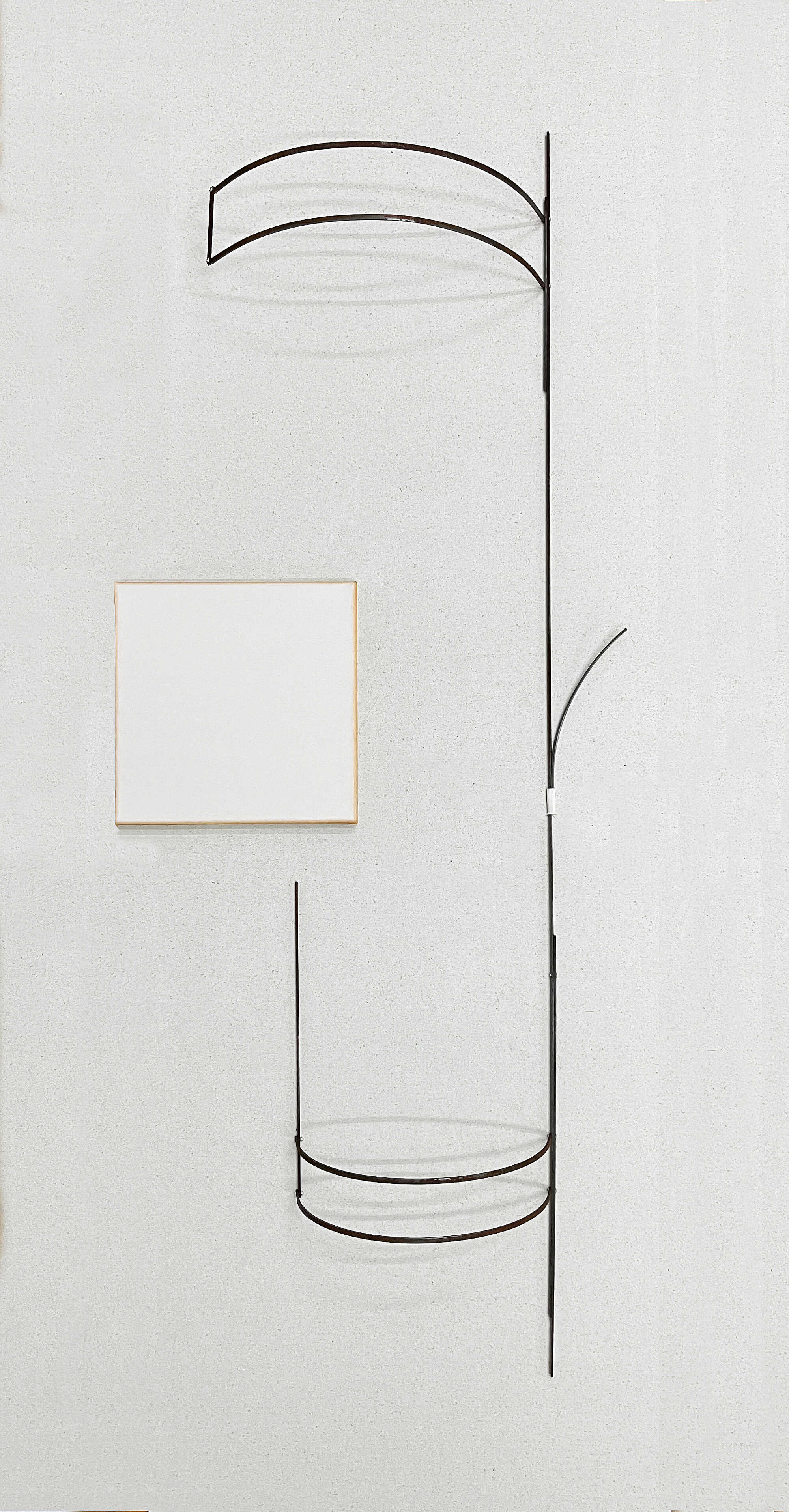
Wir zeigen mit Gulnur Mukhazanova eine in Kasachstan geborene, in Berlin lebende Künstlerin, die sich vornehmlich mit Textil beschäftigt und eine ortsspezifische Arbeit entwickelt, die Bezug auf Walter Benjamins Konzept der „Jetztzeit“ nimmt. Parallel dazu zeigen wir die österreichische Künstlerin Melanie Ender mit ihren filigranen Stahlplastiken und Grafiken. Im Herbst folgt dann eine Einzelausstellung der in Berlin geborenen und 1938 nach England emigrierten Malerin Eva Frankfurther.
Welche Fragen sollten während des internationalen Austauschs des Forums neu gestellt werden?
Die Betonung liegt hier auf „international“ – also auf der Befragung des Themas aus internationalen, gern auch außereuropäischen Perspektiven.
Vielen Dank für das Gespräch!
Zusätzliche Infos
Kunsthaus Dahlem
Geöffnet Mittwoch bis Montag 11-17.00 Uhr
Sculpture Network Internationales Forum
29.-31. Oktober in Berlin
Kuratiert von Anne Berk und Anemone Vostell
Dieser Text wurde von Jana Noritsch auf Deutsch verfasst.
Über den Autor/ die Autorin
Jana Noritsch
Jana Noritsch ist freie Autorin und arbeitet seit fast 20 Jahren an der Schnittstelle von Kunstwerk, Archiv und Sammlung.
Übersetzung

Sybille Hayek
Sybille Hayek ist Lektorin und Übersetzerin. Seit 2022 unterstützt sie unser Team ehrenamtlich mit ihrem geschulten Blick fürs Detail und einer großen Liebe zur Sprache.