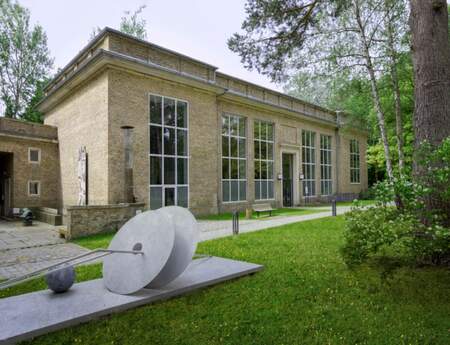
Sculpture Network International Forum zu Gast im PalaisPopulaire

Das 16. Internationale Forum von Sculpture Network kehrt an seinen Ursprungsort Berlin zurück. 2004 wurde die künstlerbasierte Organisation zur Förderung dreidimensionaler Kunst in der Berliner Bildhauerwerkstatt durch Stahlbildhauer und Mitglied der Gruppe ODIOUS Hartmut Stielow sowie Unternehmer Ralf Kirberg gegründet.
Seither finden alle zwei bis drei Jahre an wechselnden Orten in ganz Europa internationale Foren zu unterschiedlichen Themen der zeitgenössischen Skulptur statt, zuletzt in Kooperation mit dem Centre Pompidou und dem Museo Picasso in Málaga zum Thema Sculpture and Climate Emergency.
In diesem Jahr diskutieren internationale Künstler:innen, Kurator:innen und Sammler:innen die Rückkehr der menschlichen Figur in der zeitgenössischen Skulptur – mitten im Herzen Berlins, im PalaisPopulaire Unter den Linden.
Vom Wohnsitz der preußischen Prinzessinnen zur Plattform für Kunst und Kultur
Für das PalaisPopulaire, das nach Deutsche Guggenheim (1997) und Deutsche Bank KunstHalle (2013) das neue Haus für Kunst und Kultur der Deutschen Bank in Berlin ist, wurden die Räume des Prinzessinnenpalais 2017/18 neugestaltet. Hinter der in den Sechzigerjahren rekonstruierten Barockfassade verbergen sich heute modernste Technik und eine zeitgemäße, klare Architektur. In dem Gebäude spiegelt sich die bewegte Geschichte Berlins. Es erzählt von Prinzessinnen und Kriegen, aber auch von der Moderne in der DDR.
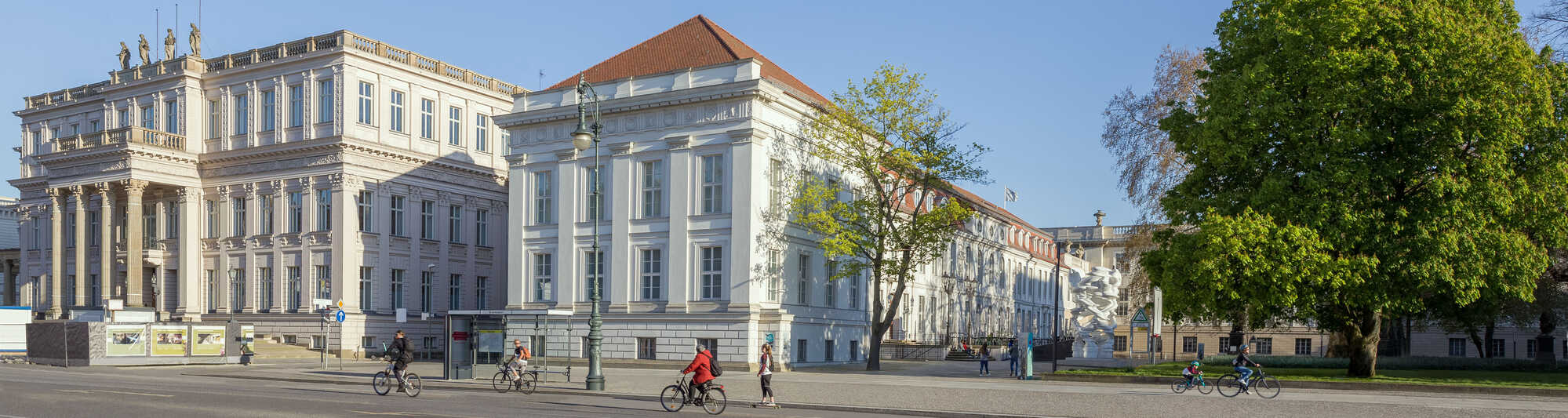
Im Zweiten Weltkrieg werden große Teile der historischen Mitte Berlins zerstört, darunter das Prinzessinnenpalais und die benachbarte Staatsoper. Wie die Oper wird auch das Palais nach Plänen von Richard Paulick (1903 - 1979) wiederaufgebaut – für eine neue Nutzung als „Operncafé“. Paulick, einst Assistent von Walter Gropius am Bauhaus Dessau, verbindet eine historische Rekonstruktion des Außenbaus mit moderner Innenarchitektur und Reminiszenzen wie dem schmiedeeisernen Treppengeländer aus Schloss Buch und einem von Schinkel inspirierten Sternenhimmel.
Im Dezember 1963 eröffnet das Operncafé. Kurz darauf wird auch der im Krieg fast zerstörte, einst private Prinzessinnengarten als öffentliche Grünanlage wiederhergestellt – hier finden auch die zuvor Unter den Linden aufgestellten Generalsstandbilder ihren neuen Platz.
Die SculpturePopulaire
Die Marmorstandbilder der Generäle sind heute aus restauratorischen Gründen ins Schaudepot nach Spandau umgezogen. An ihrer Stelle initiierte die Direktorin des PalaisPopulaire, Svenja Gräfin von Reichenbach, ein Fundament für wechselnde Präsentationen zeitgenössischer Skulptur: die SculpturePopulaire.
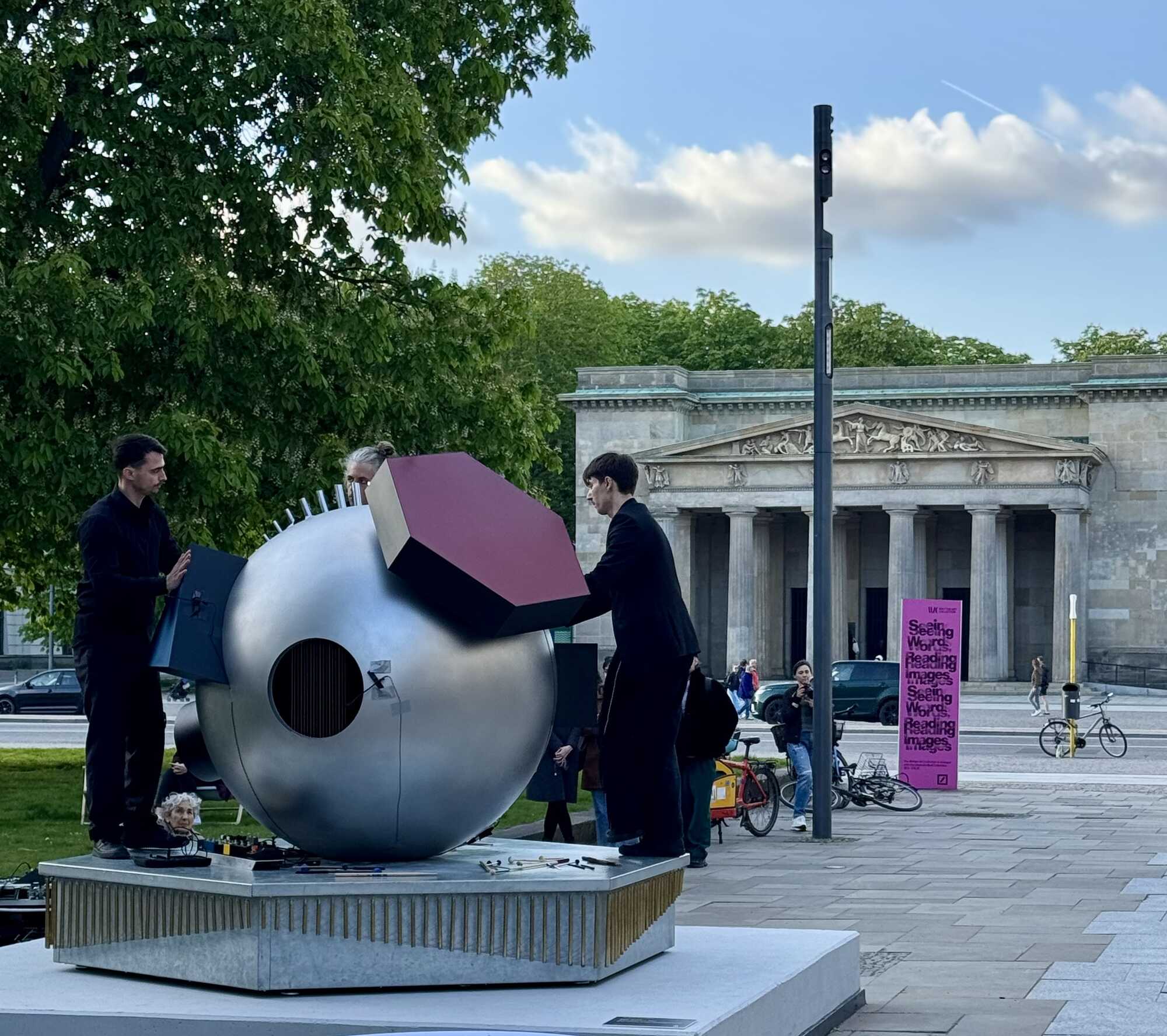
Inmitten des historischen Ensembles aus Staatsoper, Zeughaus und Humboldt-Universität sowie der von Schinkel entworfenen Gedenkstätte Neue Wache mit der zentralen Skulptur von Käthe Kollwitz setzen diese zeitgenössischen Positionen einen bewussten Kontrapunkt – und unterstreichen den Anspruch des PalaisPopulaire als Forum für alle, die Kunst und Kultur interdisziplinär und unter einem Dach erleben wollen.
Artist of the Year 2026 – Lucia Tallová
Um Monumente geht es auch in der aktuellen Präsentation von Lucia Tallová, Künstlerin des Jahres 2026. Im Rahmen des Programms Artist of the Year der Deutschen Bank zeigt das PalaisPopulaire ab dem 10. September 2026 die Ausstellung Moving Clouds. Für die 1985 in Bratislava geborene Künstlerin ist es die erste institutionelle Einzelausstellung in Deutschland.
Tallová arbeitet mit Malerei, Collage, Objekt und Installation. Für ihre oft raumgreifenden Arbeiten kombiniert sie Fotografien, Bücher, Fundstücke und skulpturale Elemente zu vielschichtigen Bildwelten. Die Künstlerin beschäftigt sich mit Erinnerung, gesellschaftlichem Wandel sowie den Hinterlassenschaften des 20. Jahrhunderts. Der Ausstellungstitel Moving Clouds verweist auf Wolken als Sinnbild für Wandel und Vergänglichkeit und beschreibt zugleich eine innere Bewegung: das Berührtsein von der Welt, ihrer Schönheit wie ihren Brüchen und Widersprüchen.

In der von Britta Färber, Global Head of Art&Culture, Deutsche Bank, als Gesamtkunstwerk konzipierten Schau fällt besonders die Installation Unstable Monuments ins Auge: Gebrochene, gekippte Säulen verschmelzen mit auf Flohmärkten, in Antiquariaten und Archiven gefundenen Fotografien von Frauenkörpern; Tallová setzt sich darin mit der sozialistisch geprägten Vergangenheit ihrer Heimat Slowakei und den Umbrüchen nach dem Ende des Ost-West-Blockdenkens auseinander.
Nominiert wurde Tallová von Sam Bardaouil und Till Fellrath, Direktoren des Hamburger Bahnhofs – Nationalgalerie der Gegenwart und Gründer der kuratorischen Plattform Art Reoriented – unseren Gastgebern am 31. Oktober 2026, dem Visiting Day des Forums.
Abschied vom PalaisPopulaire
Moving Clouds ist zugleich die letzte Ausstellung im PalaisPopulaire. Nach acht Jahren als Ort für Kunst, Kultur und Austausch Unter den Linden verabschiedet sich das Haus Ende des Jahres von seinem Publikum. Unter dem Titel MerciPalais lädt das PalaisPopulaire vom 21. bis 22. November 2026 zu einem Wochenende mit Kunst, Gesprächen und Veranstaltungen ein – Gelegenheit für Berliner:innen und Gäste der Stadt, gemeinsam auf acht Jahre PalaisPopulaire zurückzublicken.
Das kulturelle Engagement der Deutschen Bank geht derweil weiter: Im Fokus stehen künftig flexiblere Kunstformate, die Förderung junger Talente sowie Kooperationen an wechselnden Orten in Berlin – etwa Projekte mit Werken aus der Sammlung Deutsche Bank sowie ein neues Förderprogramm für junge Kunstschaffende. Zentraler Anker bleibt die langjährige Partnerschaft mit den Berliner Philharmonikern und ihrem Education-Programm.
Die Referent:innen des Internationalen Forums
Von ihren Sockeln gestürzte Denkmäler bilden den Hintergrund des diesjährigen Sculpture Network Forums mit dem Thema Bodytalk – Die Rückkehr der menschlichen Figur in der zeitgenössischen Skulptur. Sowohl vom nationalsozialistischen als auch vom sowjetischen Regime für ideologische Zwecke instrumentalisiert, verschwand die menschliche Figur nach dem Zweiten Weltkrieg weitgehend aus der westlichen Kunst; die figurative Kunst wurde zum Tabu. In den 1980er Jahren ändert sich dies. Eine „narrative Wende“ in der Kunst spiegelte die wachsende Unsicherheit in einer Welt wider, die sich im raschen Wandel befand.
In diesem Berliner Forum lenkt Kuratorin Anne Berk (NL) den Blick auf die Rückkehr der menschlichen Figur in der konzeptuell-figurativen Kunst und fragt, wie diese schweigenden Figuren durch Körpersprache zu unseren Körpern sprechen. Künstler:innen nutzen den gestikulierenden Körper, um ihre Fragen an das Leben auszudrücken, und verhandeln dabei Themen wie Sexualität, Identität, Liebe, Macht, Technologie, Sterblichkeit und unser Verhältnis zur Natur.
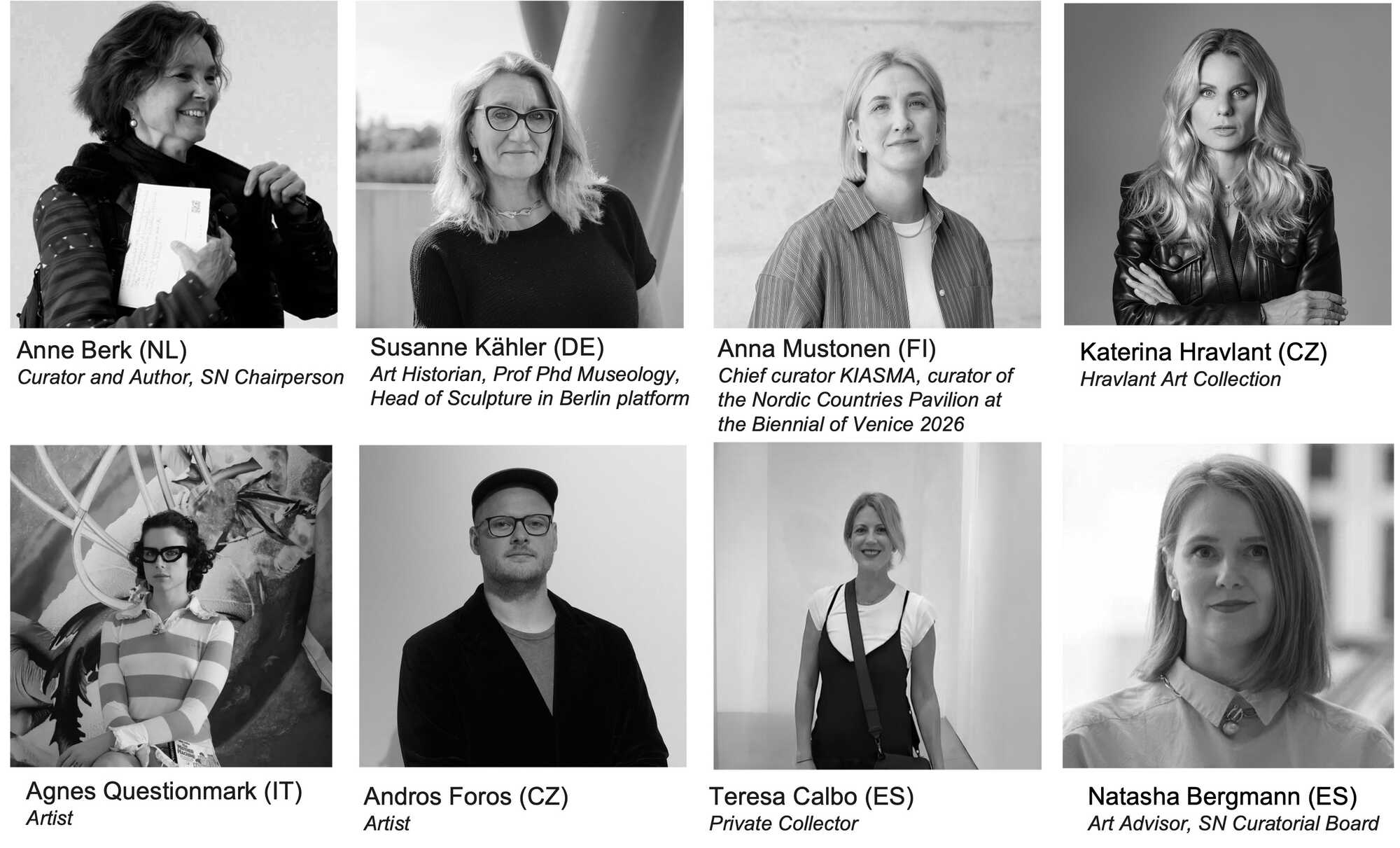
Gemeinsam mit Co-Kuratorin und Kulturmanagerin Anemone Vostell (DE) bringt sie internationale Kurator:innen, Sammler:innen und Bildhauer:innen nach Berlin, um diese Entwicklung in der zeitgenössischen Skulptur zu diskutieren:
Prof. Dr. Susanne Kähler (DE) ist Kunsthistorikerin, Professorin für Museologie an der Hochschule für Technik und Wirtschaft Berlin (HTW) und Leiterin von Sculpture in Berlin, einer Online-Plattform, die 3.000 Skulpturen archiviert. „Körpersprache(n) der Skulptur im öffentlichen Raum“ von den 1980er Jahren bis heute vor dem Hintergrund der geteilten Stadt Berlin ist ihr Thema. Statuen verdeutlichen die Veränderungen in der figurativen Skulptur, ihrer Körpersprache und ihrer Funktion in der Gesellschaft. Von totalitären Regimes bis hin zur Demokratie zeugen Berlins öffentliche Skulpturen von den tiefgreifenden Veränderungen in der Geschichte.
Anna Mustonen (FI), Chefkuratorin am Kiasma – Museum für zeitgenössische Kunst in Helsinki und Kuratorin des Nordischen Pavillons auf der Biennale von Venedig 2026, erörtert die kuratorischen Ideen hinter der Venedig-Präsentation, einer Gemeinschaftsausstellung mit Tori Wrånes, Klara Kristalova und Benjamin Orlow. In Zeiten der Unsicherheit verflechten sich Körper, Mythen und Materie in Welten, die von Zusammenbruch und Erneuerung geprägt sind. Indem sie Skulptur, Klang und Performance zusammenführt, reflektiert Mustonen über Skulptur als verkörperte Erfahrung sowie nordische und globale Perspektiven.
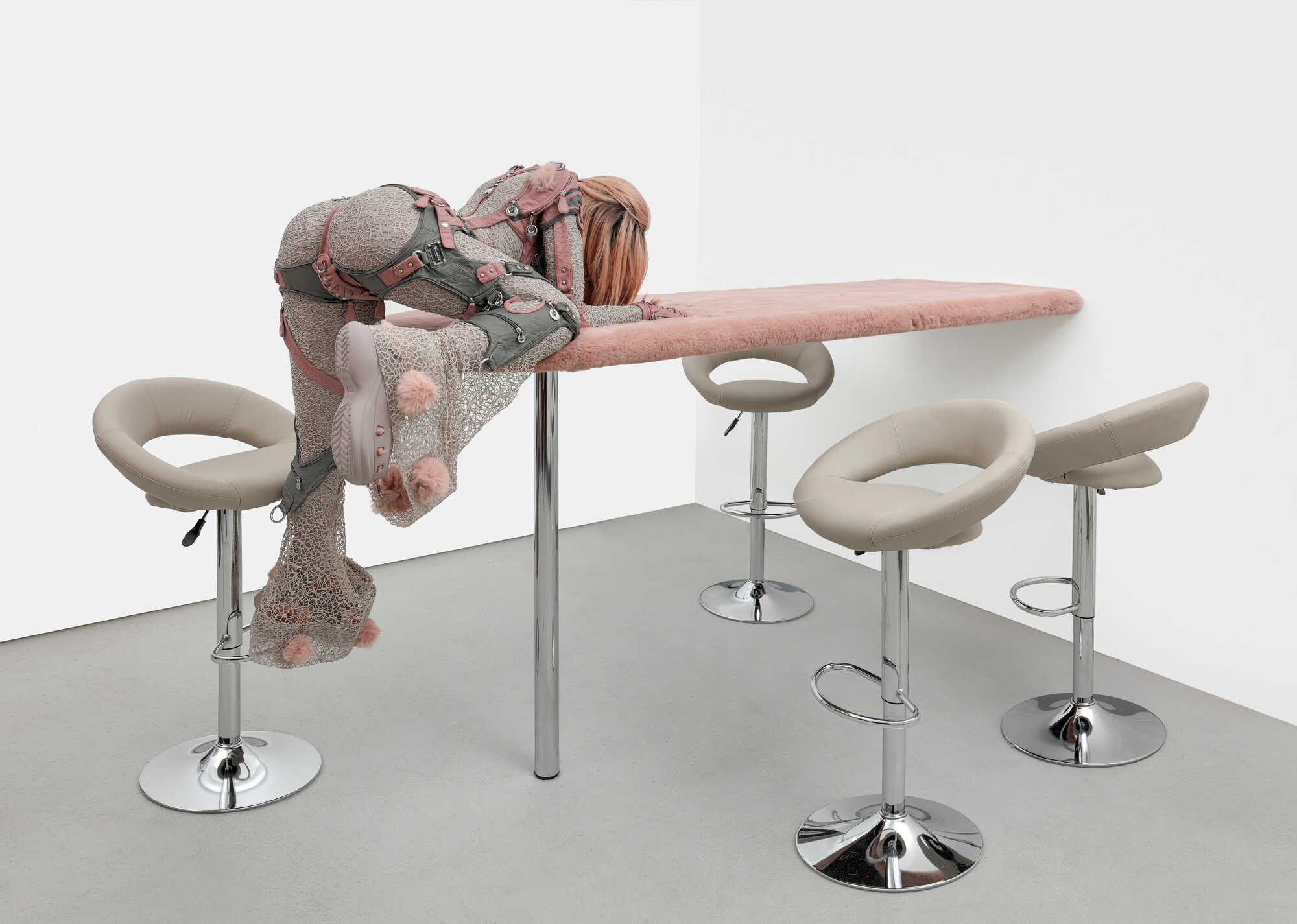
Agnes Questionmark (IT) ist eine multidisziplinäre Künstlerin, deren Werk Performance, Skulptur, Video und Installation umfasst. Sie untersucht den Körper als lebendiges Archiv – als instabile Schnittstelle zwischen Wissenschaft, Macht und Selbstheit. Ausgehend von Bioethik, Mythologie und kritischer Theorie entwickelt sie immersive Erlebnisse, die die Betrachter:innen mit Formen im Wandel konfrontieren und spekulative Anatomien vorschlagen, die durch chirurgische, genetische und soziale Eingriffe geprägt sind.
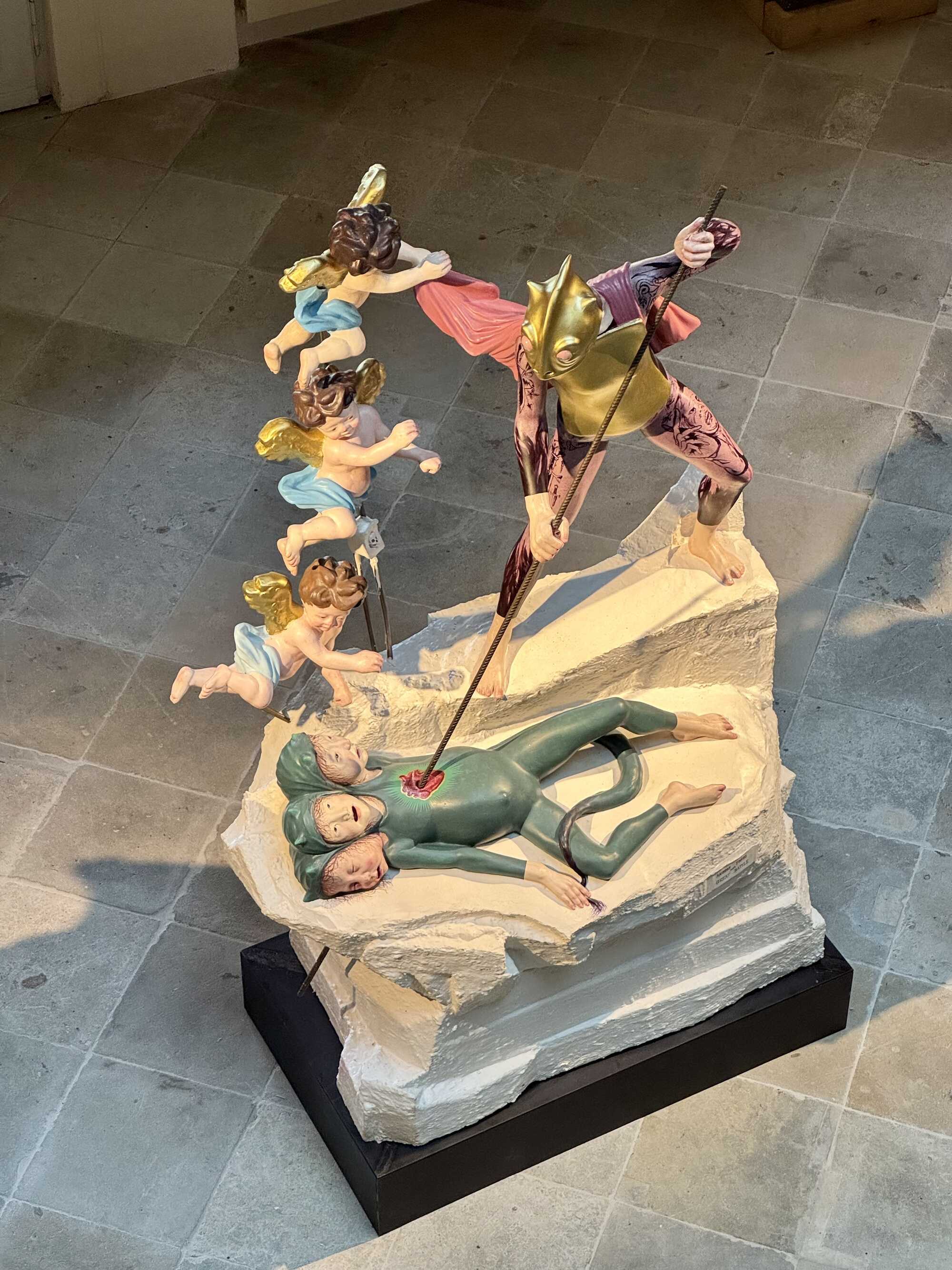
Andros Foros (CZ) spricht über sein Interesse an christlicher Ikonografie und moderner Psychologie. Auf humorvolle Weise spielt er mit Stereotypen und verbindet die Heiligkeit gotischer Skulptur mit Groteskem und Übertreibung in der Gegenwart. Manche seiner Figuren verweisen auf das innere Kind in uns und verkörpern die verschiedenen Identitäten, die wir besitzen. Körperhaltungen und Gesten sowie Attribute wie Rüstungen, Verkleidungen und Waffen werden genutzt, um innere Gefühle zu vermitteln.
Sammler:innengespräch
Eine Neuheit dieses Internationalen Forums ist die vom Kuratoriumsbeirat des Sculpture Network konzipierte Sammler:innendiskussion über aktuelle Perspektiven bei der Darstellung des Körpers in der zeitgenössischen Skulptur. Im Gespräch mit Natasha Bergmann (ES), Mitglied des Kuratoriums und Kunstberaterin, geben die Sammlerinnen Teresa Calbo (ES) und Kateřina Havrlant (CZ) Einblick in ihre Motivation hinter dem Erwerb figurativer Werke und beleuchten die Rolle weiblicher Sammlerinnen bei der Gestaltung künstlerischer Sichtbarkeit.
Der Artikel wurde von Anemone Vostell auf Deutsch verfasst.
Über den Autor/ die Autorin

Anemone Vostell
Anemone Vostell ist eine in Berlin ansässige Kulturmanagerin, Gründerin von BAM! Berlin Art Management - Kunstprojekte und -Beratung mit besonderem Interesse an Skulptur, Installationskunst, sowie Landart.
Übersetzung

Sybille Hayek
Sybille Hayek ist Lektorin und Übersetzerin. Seit 2022 unterstützt sie unser Team ehrenamtlich mit ihrem geschulten Blick fürs Detail und einer großen Liebe zur Sprache.