Continuity rather than temporary trend: women in the arts – what needs to be done?

Quo Vadis, equal rights in the art world? This is not merely a question of exhibitions, quotas, acquisitions and market prices, but begins right from the moment we ourselves decide how we talk about female artists, whom we quote and which ways of life we take for granted. Let’s take a closer look: What remains to be done today – by the institutions, but also by ourselves? A snapshot.
Over the past eight years, increased attention has been paid to analysing why, for centuries, female artists have been far less represented – and active steps have been taken to counter this development. Admittedly, art history will not be rewritten in a decade, but it is not enough simply to exhibit more female artists if the aim is to firmly establish them in collections, research, teaching and exhibitions. Gisela Breitling founded the Verborgene Museum (Hidden Museum) with Evelyn Kuwertz in 1986 because they knew that visibility needed to be maintained on a permanent basis by institutions. The visibility of women artists should not be a one-off event (“rediscovered”) but must become an integral part of the system.
Only ten years before Breitling and Kuwertz, the artist Ruth Eitle (1924-1989) expressed the following: “(Diary) 20 Nov 67 [...] I wonder whether a man could work under such conditions – that is, if he were disciplined by his wife for years on end, held to a sense of duty and responsibility, shouted at from morning till night, forced to cook healthy meals, look after the children, keep the house in order, and in return be told every day that he was a parasite, whilst also having to put up with her romantic escapades. And yet my art is supposed to be uplifting and light-hearted. [...] Trying to be – or having to be – a female artist requires far more strength than it does for a man.” Sixty years later, a great deal has changed. These developments were also the subject of an open discussion I recently chaired, attended by women from various generations – though, admittedly, there was only one young artist amongst them; moreover, a man was also present. The above quote was brought up here by Susan Nitsche, Ruth Eitle’s daughter: after graduating from the Stuttgart Academy in the 1950s, Ruth Eitle had to juggle her work as an artist, her professional networks and associations, three children, her marriage and running the household.
Our discussion did not, however, remain focused solely on past patriarchal structures but went on to examine the situation for women in the arts today (this term always refers to all individuals perceived as female, including female art historians in museums, female authors, female curators, female lecturers and female collectors).
The artist Elizaveta Ostapenko (*1999) experienced her university, the HfBK Hamburg, as largely egalitarian. In short, Ruth Eitle’s words struck her as odd. (Fortunately! For further details, see: Statements).
A former museum employee, meanwhile, raised the question – in the context of the equal pay gap – why female cultural managers and art historians in the same positions today still sometimes earn less than their male counterparts.
The author and curator Anne Simone Kiesiel recently noticed while writing a text, “Why have I actually only used male references?” and argued that we should direct our research to be gender-balanced or pro-female in order to expand the canon of art history to include female artists. She also stresses how strongly language shapes perception: why is Paula Modersohn-Becker referred to so familiarly as “Paula”, whilst male artists enter art history as professional figures under their surnames? And perhaps change begins in even more mundane ways: when a female artist or author takes her baby naturally with her to university or an exhibition opening – and the art world does not expect care work to remain invisible.
The article by the sculptor Lulu MacDonald in Frieze – “The Year I Almost Gave Up Being An Artist“ – in which she describes how she came close to giving up her life as an artist, also confirms these sentiments. Two young children, financial uncertainty and the notion that a “proper” artist must devote herself entirely to her art led her to doubt herself. Today, she claims to lead a hybrid life: artist, mother and working professional – “It’s time to make the multiplicity of a creative life more visible.”
To capture snapshots of different generations and different places, we would like to give a few of these female artists a chance to speak for themselves here:
When you look at the situation of your own generation in your own environment, would you still say that “women in the arts” is a necessary issue – or is it increasingly a category that rather annoys you, as you would prefer to be perceived as an artist rather than, first and foremost, as a woman? Where do you experience genuine equality today? Where do old structures persist – and, above all, what specific changes should institutions, but also we ourselves, make in the way we think, speak and act?
Statements
Elizaveta Ostapenko | @liza__ostapenko
“As a young artist, I am incredibly grateful to the women of previous generations for paving the way for me and enabling me to pursue my training and career. Today, I work as an artist, on an equal basis with my colleagues, and play an active role in the art scene. For this reason, it is not particularly important to me personally to be explicitly referred to as a woman in art but simply as an artist. This does not mean that gender inequality has completely disappeared from the art world or from the many aspects of life; I have simply, fortunately, had very little personal experience of it.”
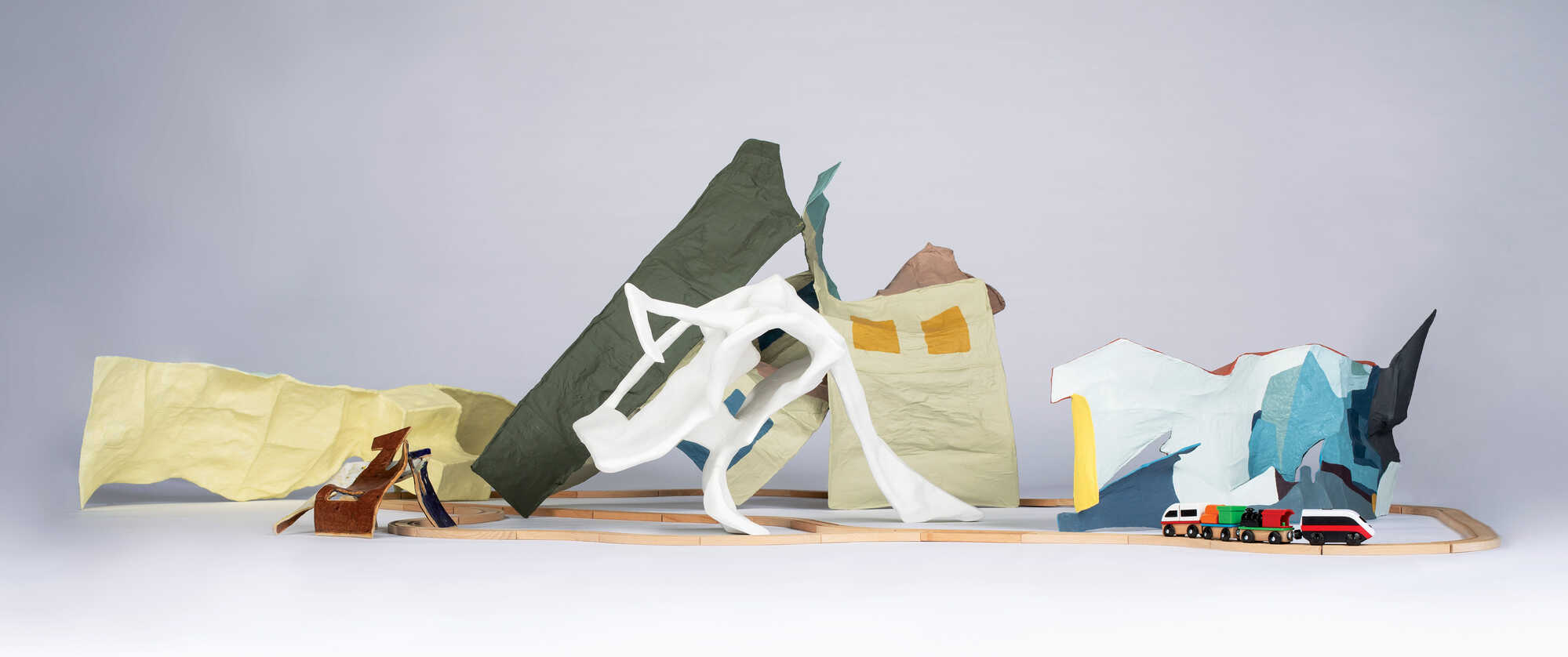
Alesya Murlina | @alesya.murlina
“In my view, this problem, unfortunately, still genuinely exists, even in Europe. I notice that female artists, and primarily female sculptors, are invited to participate in projects much less frequently, let alone for large-scale sculptural commissions. This is exactly where the older structures continue to persist.
At the same time, I personally would like to move beyond the ‘women in the arts’ category. I don't think I would really want to participate in exhibitions organised exclusively for female sculptors or female artists.
The most important thing for me is that my artistic statement is perceived absolutely on par with the artistic statements of male artists. When it comes to what needs to change, of course, what I would want most of all is to achieve a level of equality where this question wouldn't even arise in the first place.”
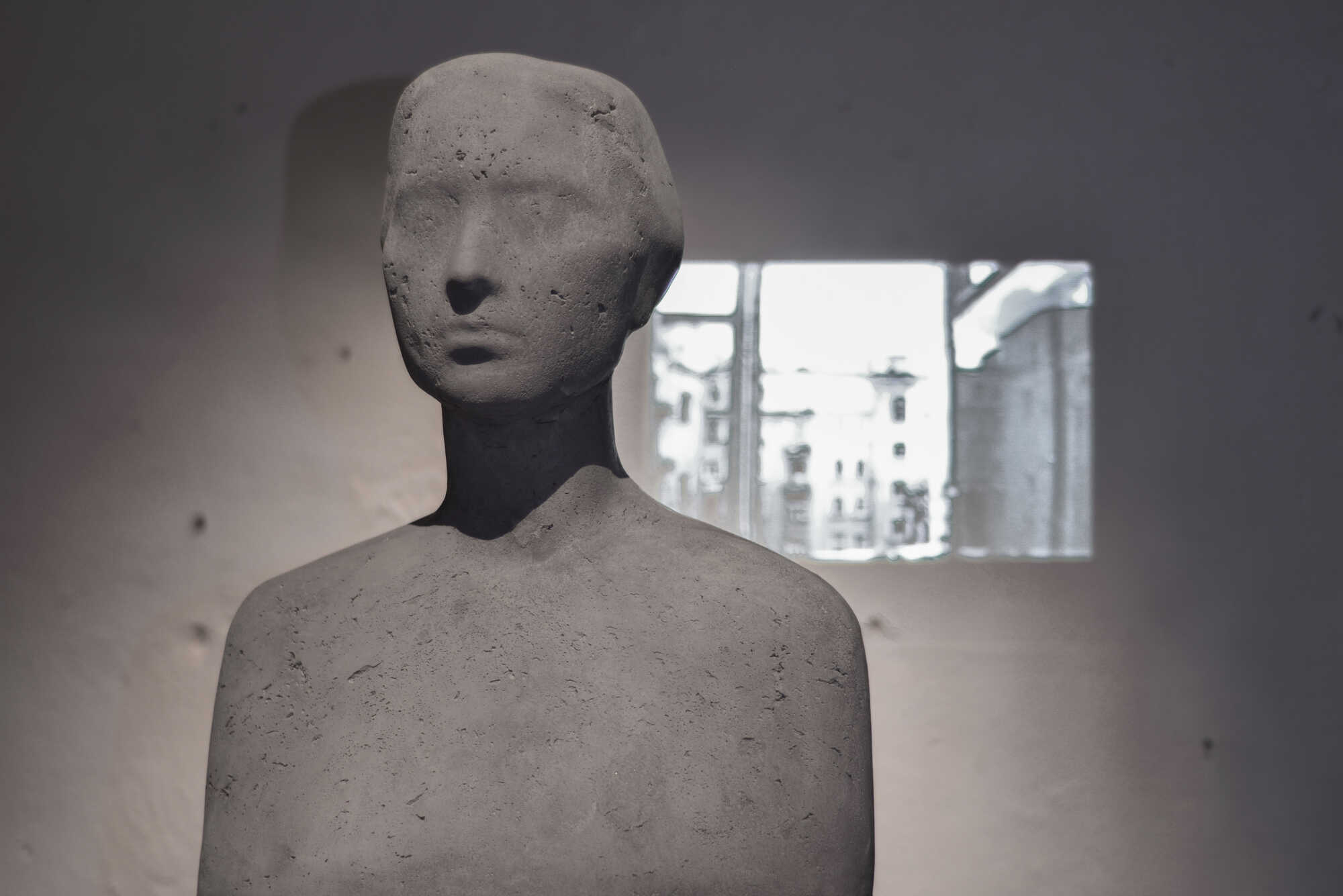
Anne Schrödl | @anne.schroedl
“As a millennial artist, I would say straight away and without hesitation: ‘Women in the arts’ is a very, very important issue, just as much as non-binary, migrant or queer perspectives! I don’t believe there is ‘the’ moment at which equality is achieved. It is a constant process of evaluation and development, aimed at dismantling injustices and taking people who are marginalised or discriminated against into our thinking. Unfortunately, power structures aren’t that easy to overcome. Of course, the focus should always be on the artistic work itself. But one's work is also shaped by individual experiences and the environment in which it is created. The most important thing is to be granted the space to exhibit one's work. Of course, the subject is a bit of a nuisance, but that's the point. You have to be a nuisance if you want things to change.
I, for example, am not just a sculptor but also a mother (and, yes, I don’t like it being reduced to that role). Many important events in the art world are simply not designed for people with children. Vernissages and openings take place in the evening; children's presence at fairs and exhibitions is generally frowned upon. Things are slowly changing (as seen, for example, in Sonja Kazovsky’s exhibition ‘Playground’ at K21 or Lina Lapelytė’s exhibition ‘Make Years Out of Hours’ at the Hamburger Bahnhof, which explicitly address children). Such developments show that things do change if you just make enough of a fuss and challenge the space you occupy within the established structures. Institutions (and we ourselves) should therefore question who is being considered and who is being made visible. Structures should be changed in such a way that access is not limited to those who already have the space, time, money and the right networks.”
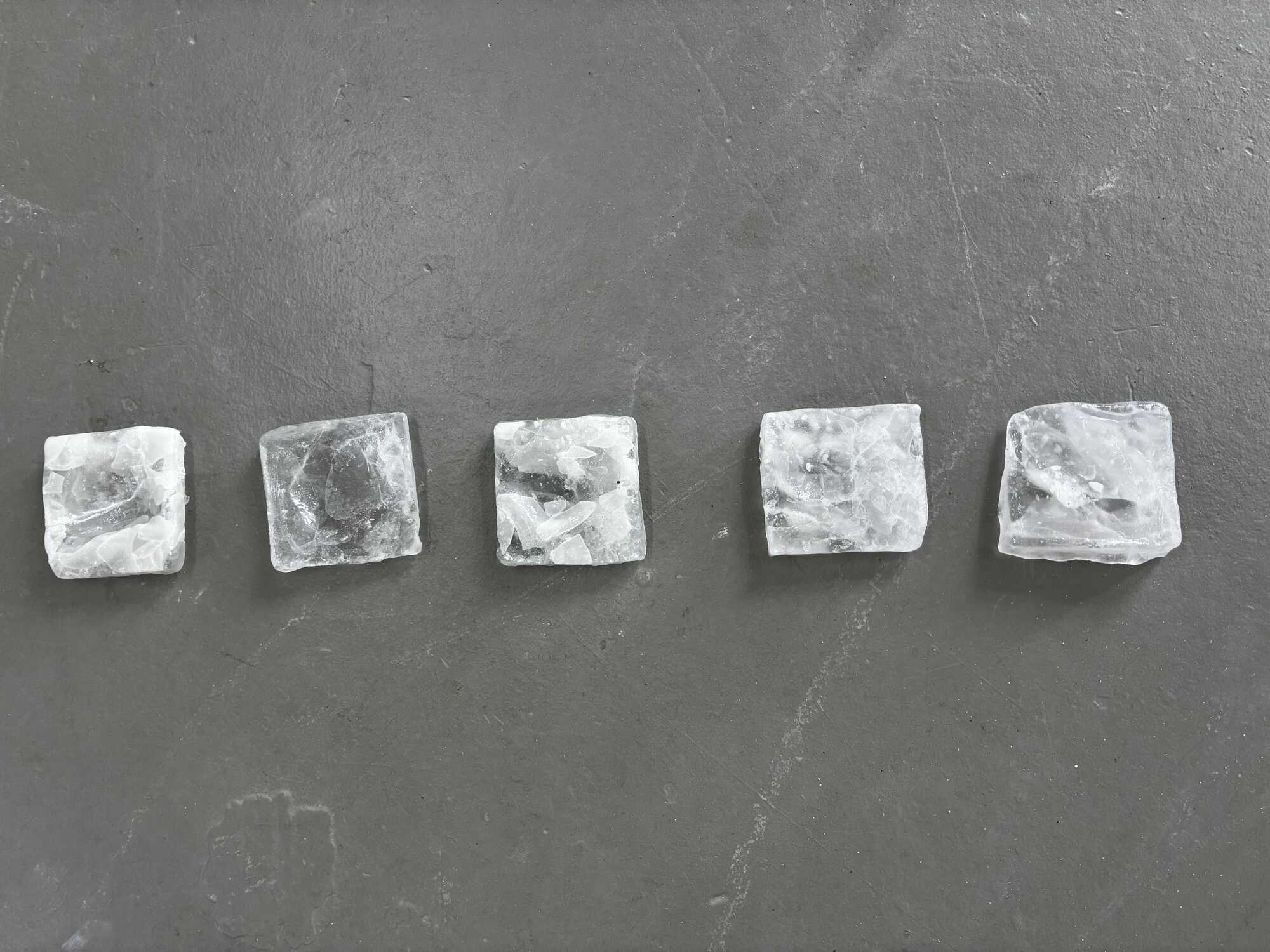
Julie van Riel | @julievanriel
“For me, ‘women in the arts’ is for sure a necessary topic, although I hope for a time that one day, it no longer has to be. As a little girl, I was fascinated by Camille Claudel. She was my muse and one of the reasons I wanted to become a sculptor. I have lived and studied in different places, and within the academies I have experienced that gender still shapes how you are perceived. During my bachelor’s in sculpture in Ghent, I felt a clear gap within the predominantly male teaching structure. Sculpture can still carry an idea of physical strength, and at times I felt as though my capacity to handle machinery or tools was questioned simply because I was a woman. As if I could not use the metal grinder myself…
I experience similar assumptions now during my master’s in Lisbon. Where the focus is partly on glassblowing. Here the physical abilities with strength, and also ‘being afraid of fire’, come back. Yet when it comes to the (art)works themselves, I do not necessarily feel that there is a difference in how the work of male and female artists is valued or looked at. For me, the hands that create a work and the work itself are one and the same.
After my bachelor’s, I did an art residency at Palmyra Sculpture Centre in Mallorca, where I experienced another kind of focus I was not used to before. The centre is led by a woman, Ien van Wierst, who consciously created space for (young) female makers. I felt surrounded by strong female artists, who gave me confidence and the feeling of strength within my discipline.
This made me realise that change does not only happen within institutions or the male- dominated art world. But also in the way we ourselves think. We have to be conscious of whose work we refer to, whose histories we teach, whose voices we continue, and who becomes part of our own artistic reference points. For me, this means actively looking at female artists, reading their work and their histories, and allowing them to become part of the canon we carry with us. If we keep naming the same predominantly male artists as our references, we continue to reproduce the same structures, even when we believe we are working beyond them.
So yes, I want to be seen simply as an artist. But perhaps moving beyond the category of ‘female artist’ does not mean making gender invisible. It means changing what we value, remember and pass on so that future generations of women grow up seeing female artists not as an exception, but simply as part of the history of art.”
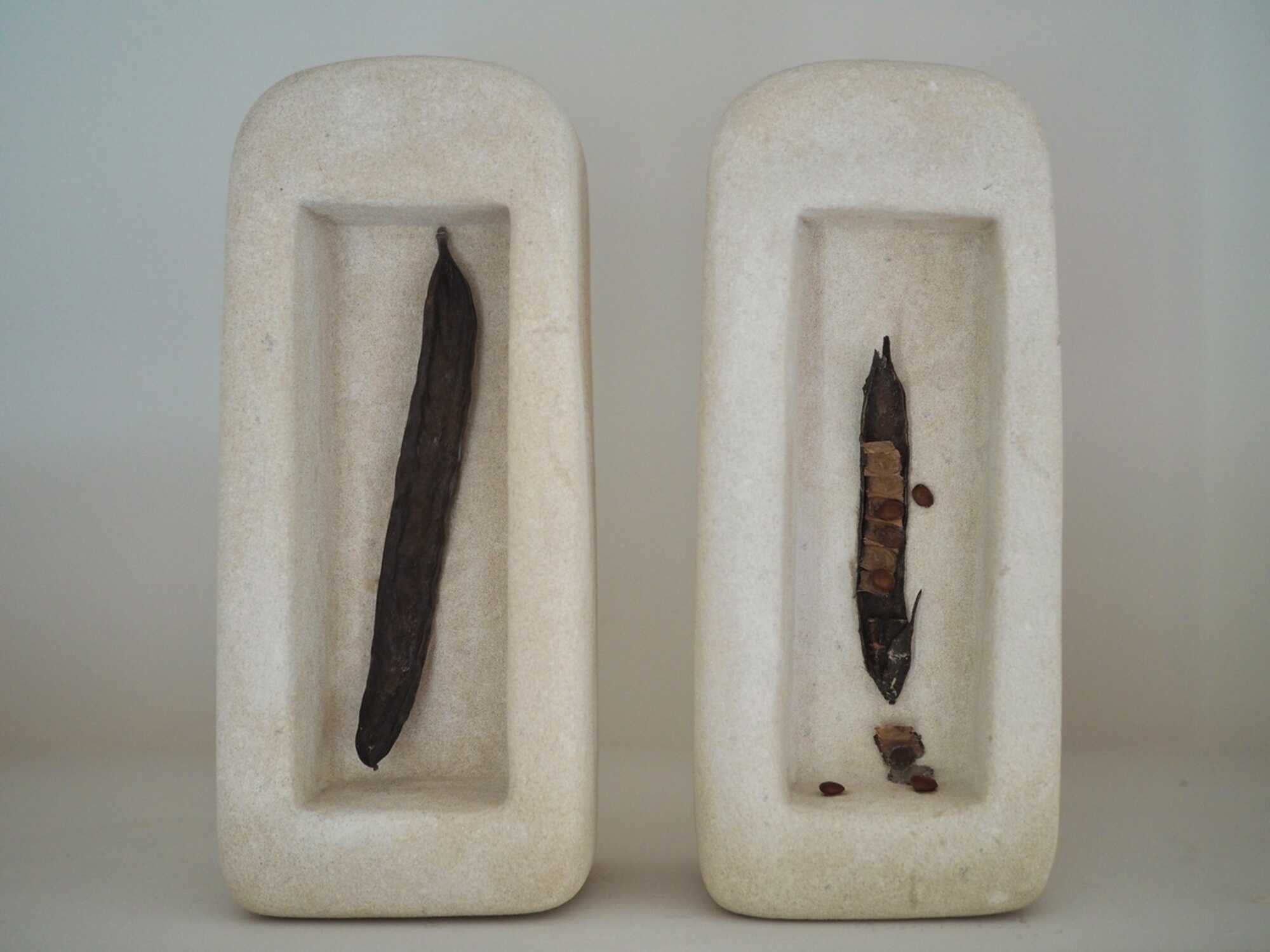
Eva Hermens | @eva_hermens
"Women in arts" – is this a necessary topic?
Yes! Above all, it is a topic that comprises much more than just ‘women in arts’. We need visibility for many other identity groups: queer people, people of colour, people with disabilities, and people from differing social and economic backgrounds. For me, all of this is part of the issue and should not be excluded! Especially now – given the current political climate – we need an intersectional feminism that fundamentally includes all identities and all genders!
Where do I experience genuine equality? Where do old structures persist?
I experience equality in projects that I develop, set up and organise myself alongside my colleagues. Exhibitions and projects that emerge from the independent art scene. The further I move into larger institutions or projects, the less I see and experience equality. One example of this are art-in-architecture competitions and projects. Over the past few years, I have worked on a great many art-in-architecture submissions for large-scale works in stone and concrete together with a highly esteemed female colleague. In many cases, we didn’t even receive a response. I think that, as a young female sculptor, people often doubt your ability to create and install large-scale works in stone. The field of art-in-architecture is very male-dominated. This is true across all areas, whether it’s installation, sculpture in public spaces or art-in-architecture. In every field, the proportion of male colleagues is higher.
The proportion of artists registered with the Social Security Fund for Artists (KSK), however, is 49% men and 51% women (as of 2026). It is certainly not the case that there are too few female artists – rather, they are often denied certain skills that are automatically attributed to their male colleagues. I have set up several stone exhibitions, and I know that it is rarely possible to do so alone, but it is never a question of gender!
What remains to be done? What changes can institutions – and we ourselves – make in the way we think, speak and act?
I really think there’s still a lot to be done. One of my personal concerns regarding my work is that we should all ask ourselves, which person do I actually choose for which tasks? Why are my male colleagues more often asked if they can quickly change the carbon brushes on an angle grinder, top up the oil on a chainsaw, or move a sculpture using a chain hoist? Why are people perceived as being female less frequently asked to do these things? Being asked less frequently to do something sometimes leads to doing it less frequently, and this in turn results in less confidence when dealing with certain materials or skills. We must all take a critical look inward and ask ourselves which persons we trust to do what, and why – or why not. Language creates awareness! In addition, a great deal still needs to happen at a systemic level. We need more FLINTA* people in positions of power, in galleries, on art-in-architecture juries, in directing and stage design teams… so much more!!”
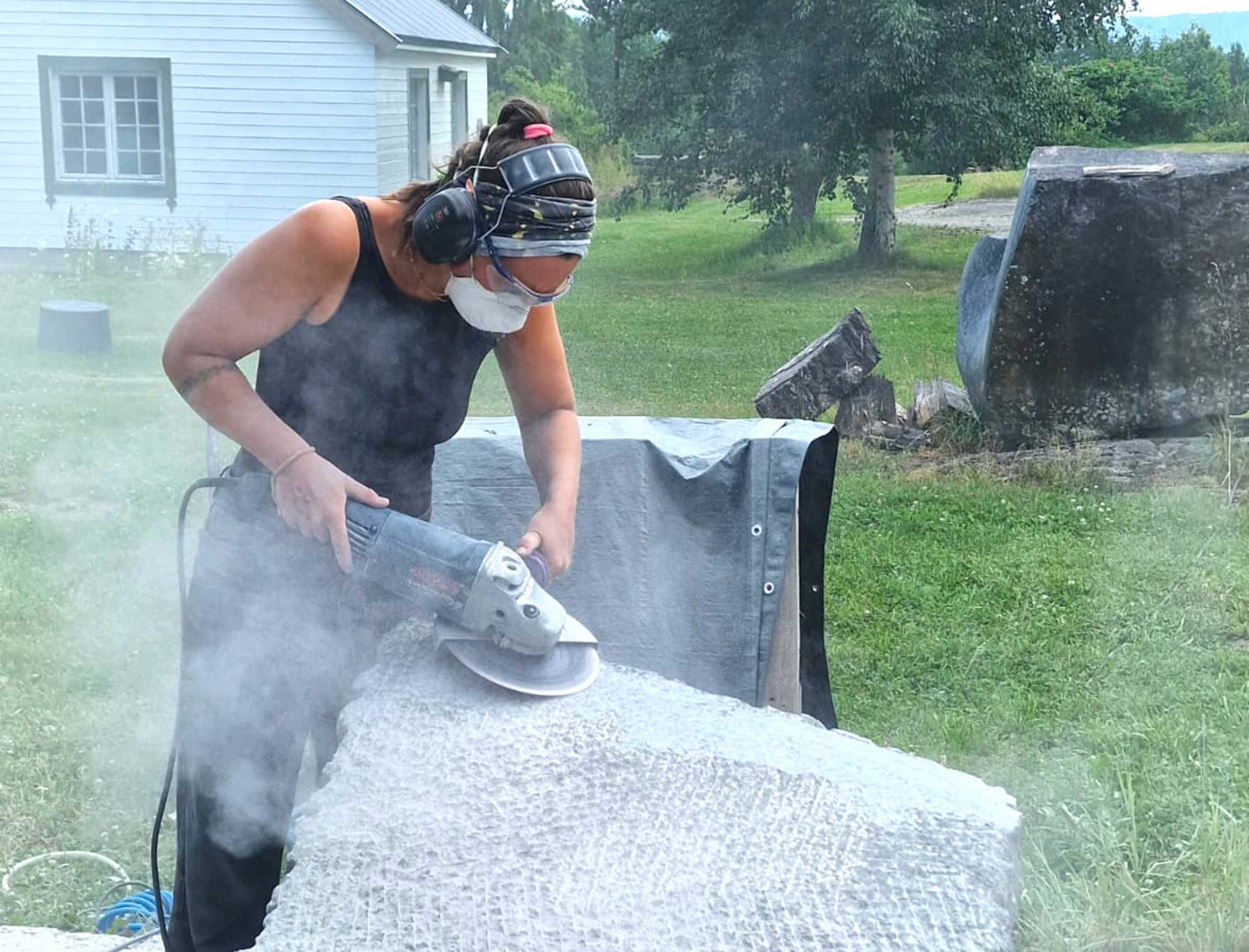
Thanks to everyone for their statements; they are valuable.
Figures
In fact, in 2026, there were slightly more women than men amongst the visual artists insured by the KSK (Social Security Fund for Artists).
Whilst in 2018 approximately 35% of female artists were represented by galleries, by 2024 this figure had risen to 46% of primary-market galleries, and by 2025 it had reached almost 50%. The Burns-Halperin Report revealed in 2022 that between 2008 and 2020, female artists accounted for just 11% of all new acquisitions by major US museums. This means that whilst there has been much discussion about female artists, the changes in the collections have been much slower. One thing is clear: women in relevant leadership roles do indeed change acquisition and exhibition policies. Charlotte Burns and Julia Halperin pointed out that the US museums with the highest acquisition rates of works by women artists were all headed by women.
The reader published by fair share! brings together strategies and best practices for greater gender equality and visibility for women artists in the art world, particularly in collections, exhibitions, and institutional structures. Contributors include Susanne Gaensheimer (Kunstsammlung NRW), Joachim Jäger (Neue Nationalgalerie), Charlotte Knaup (Hamburger Bahnhof), Franciska Zólyom (GfZK Leipzig), Ingrid Pfeiffer (Schirn Kunsthalle), Matylda Taszycka (AWARE/Centre Pompidou), and Axel Wieder (Berlin Biennale).
Reader Best Practices und Strategien_Make it happen! Hrsg fair share! 2026
So things are changing. Just not everywhere – and figures on visibility only tell part of the story.
The original article was written in German by Jana Noritsch.
About the author
Jana Noritsch
Jana Noritsch is a freelance author who has been working at the intersection of artwork, archives, and collections for nearly 20 years.
Translation

Sybille Hayek
Sybille Hayek is an editor and translator. Since 2022 she has been supporting our team on a voluntary basis with her trained eye for detail and a great love of language.