Women / Donne of South Tyrol: 20 years of Sculpture at Kränzelhof

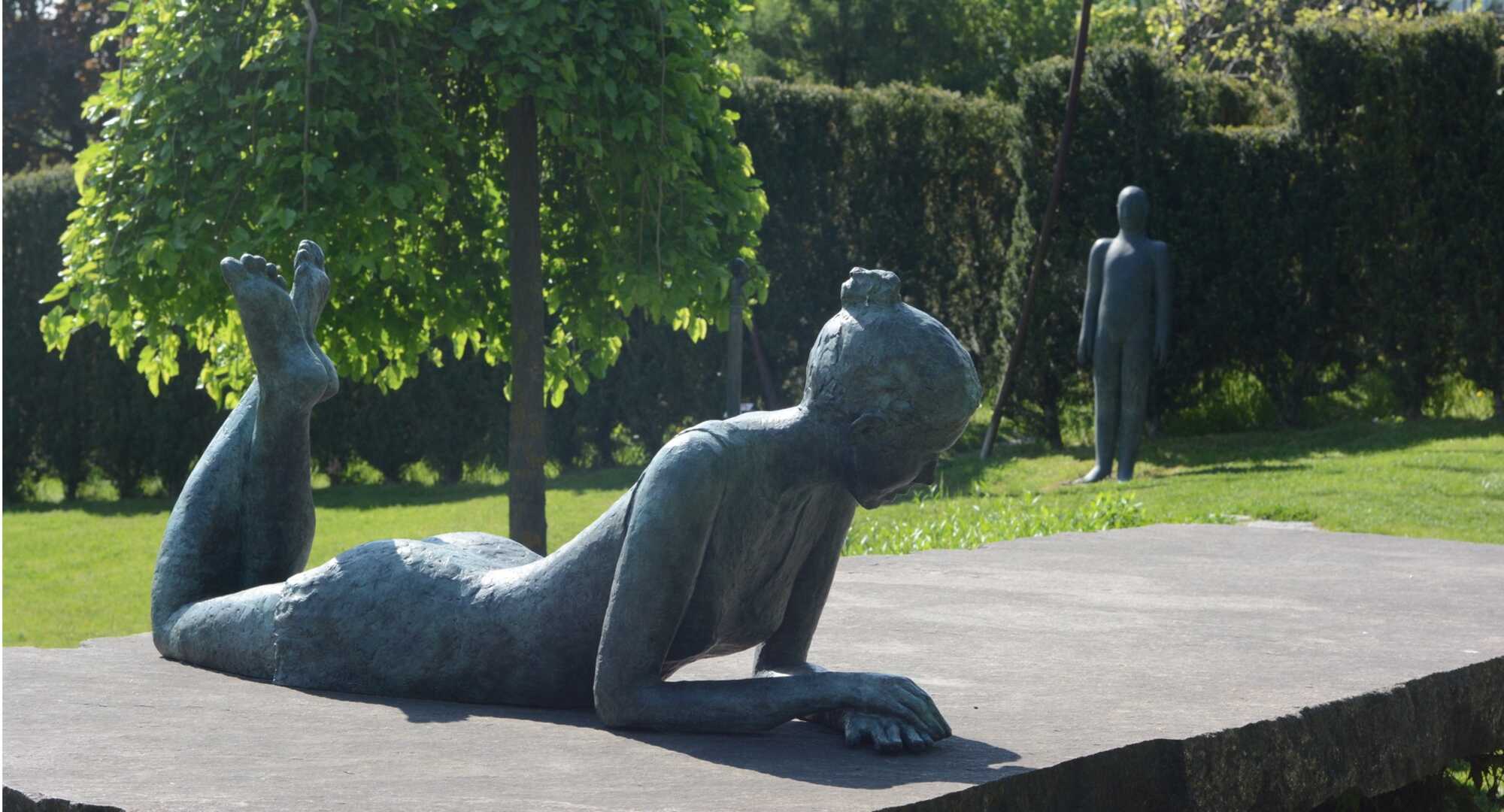
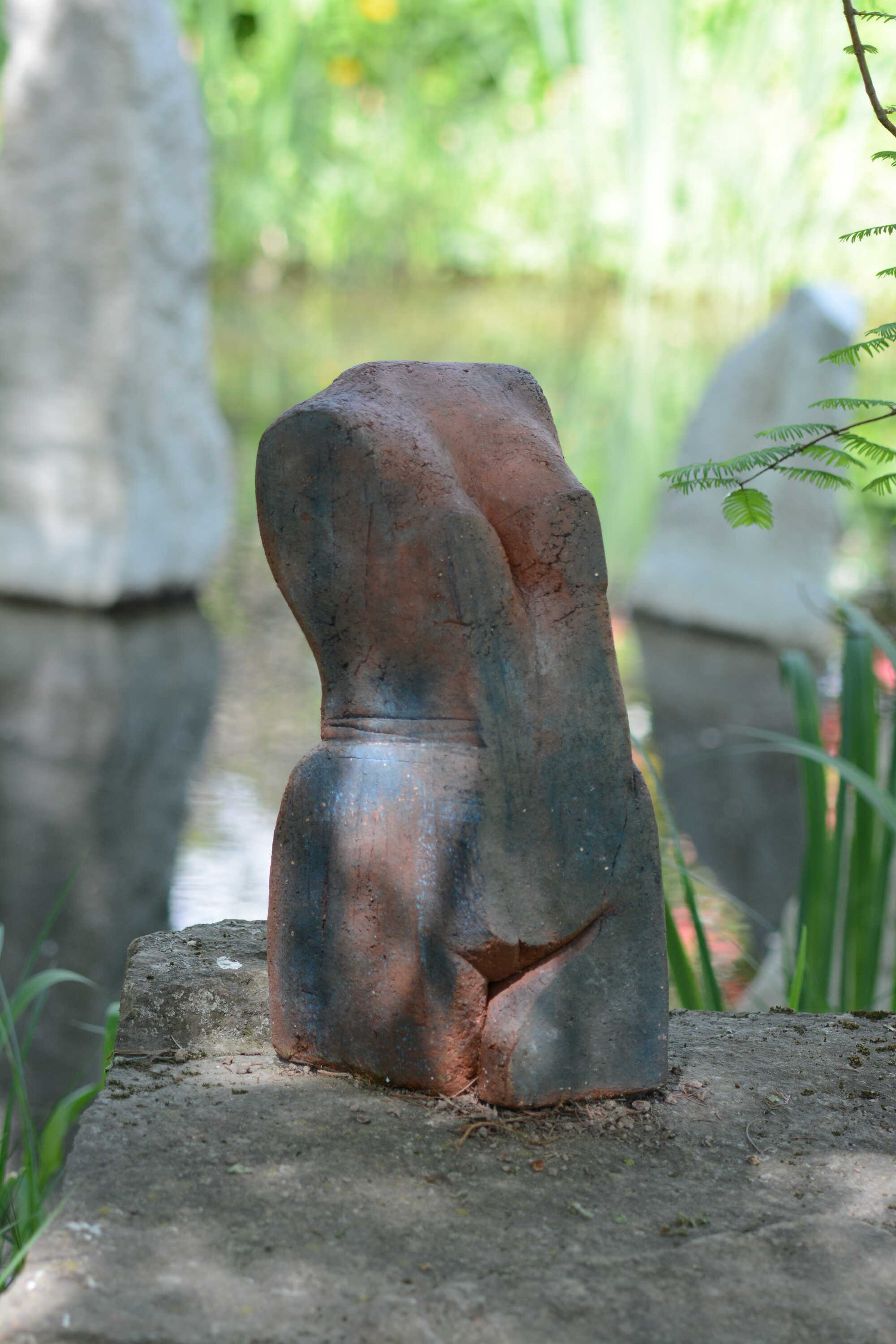
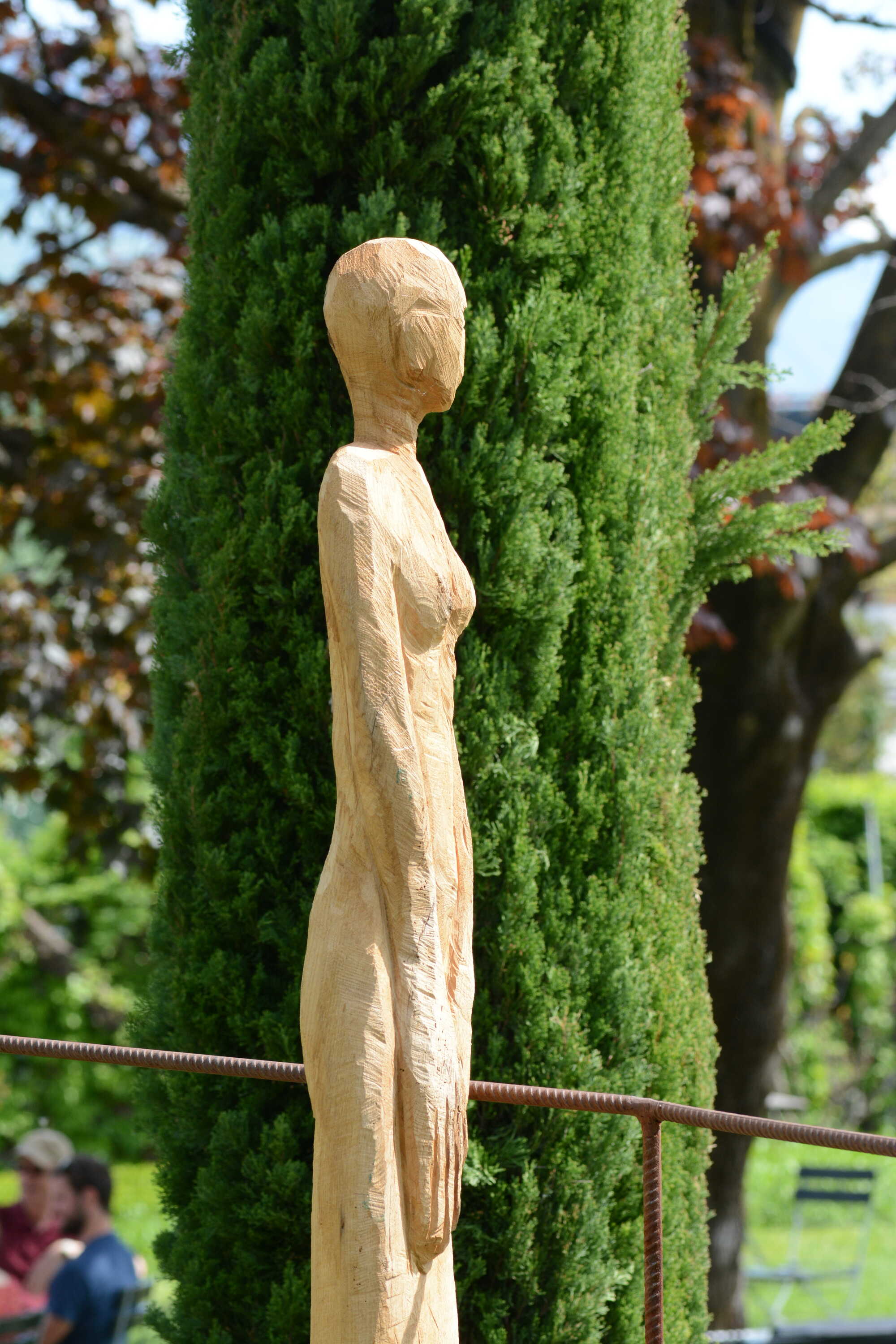
For the last two decades, the sculpture garden at Kränzelhof has brought together art, landscape, and architecture to South Tyrol. Their latest exhibition, Women / Donne, curated by Stephanie Walderdorff marks their 20th anniversary by bringing together eighteen artistic positions exploring the many dimensions of womanhood.
As a member location of Sculpture Network, Kränzelhof has long cultivated encounters between sculpture and environment, creating a space where contemporary artistic positions unfold in direct dialogue with nature and visitors alike.
Their latest exhibition, Women / Donne, curated by Stephanie Walderdorff marks their 20th anniversary by bringing together eighteen artistic positions exploring the many dimensions of womanhood. Rather than proposing a singular definition of “woman,” the exhibition opens a fluid and multifaceted field of perspectives between body and identity, memory and projection, intimacy and social reality.
At the heart of the exhibition lies a fundamental shift in perspective. Historically, sculpture has often reflected dominant cultural narratives in which women appeared as subjects of observation, idealization, or symbolic representation. Women / Donne departs from this history and instead expands the potentiality of ‘Woman’ in contemporary sculpture today. The artists in the exhibition do this by challenging fixed images and embracing complexity and self-determination. The woman emerges not as object, but as subject; not as static form, but as process.
Author Nicole Abler, who gave the opening speech, observes this development with curiosity. In her accompanying text she cites Anaïs Nin: “We don’t see things as they are. We see them as we are.” The quote resonates throughout the exhibition, reminding viewers that every encounter with sculpture is also an encounter with one’s own assumptions, expectations, and perceptions.
The exhibition also features three Sculpture Network members, Otto Beer, Susanne Kraißler and Felicitas von Lensing-Hebben.
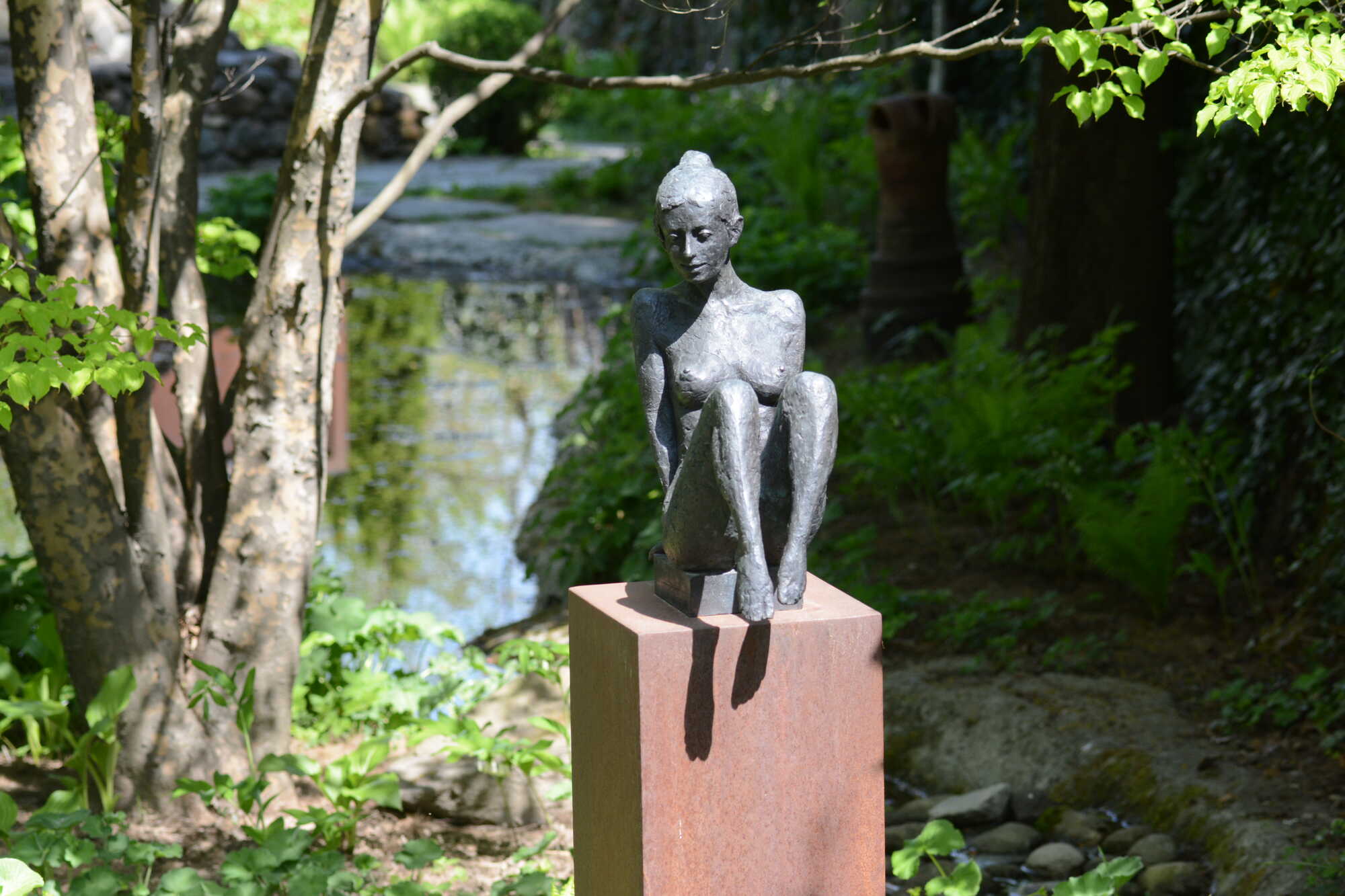
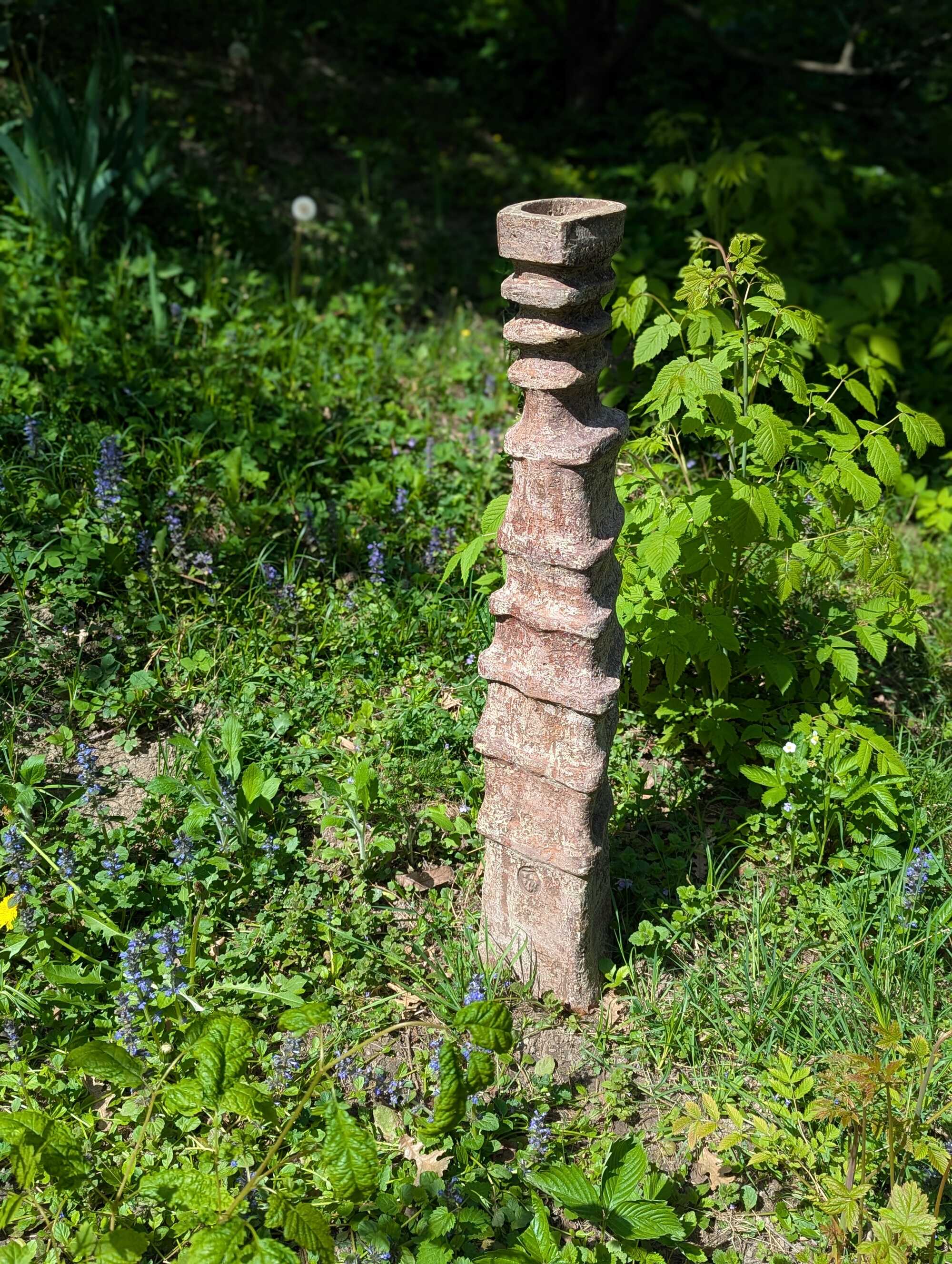
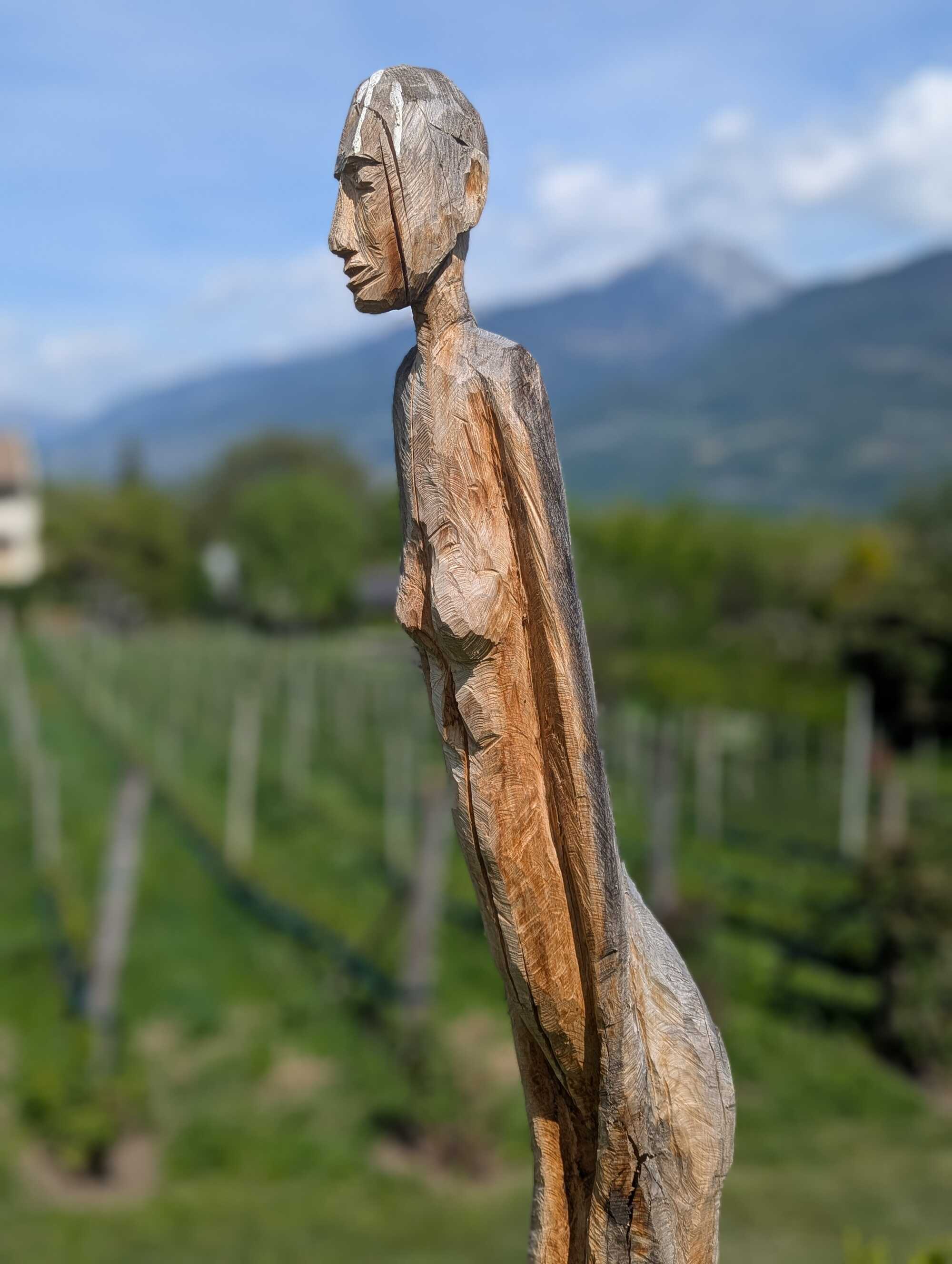
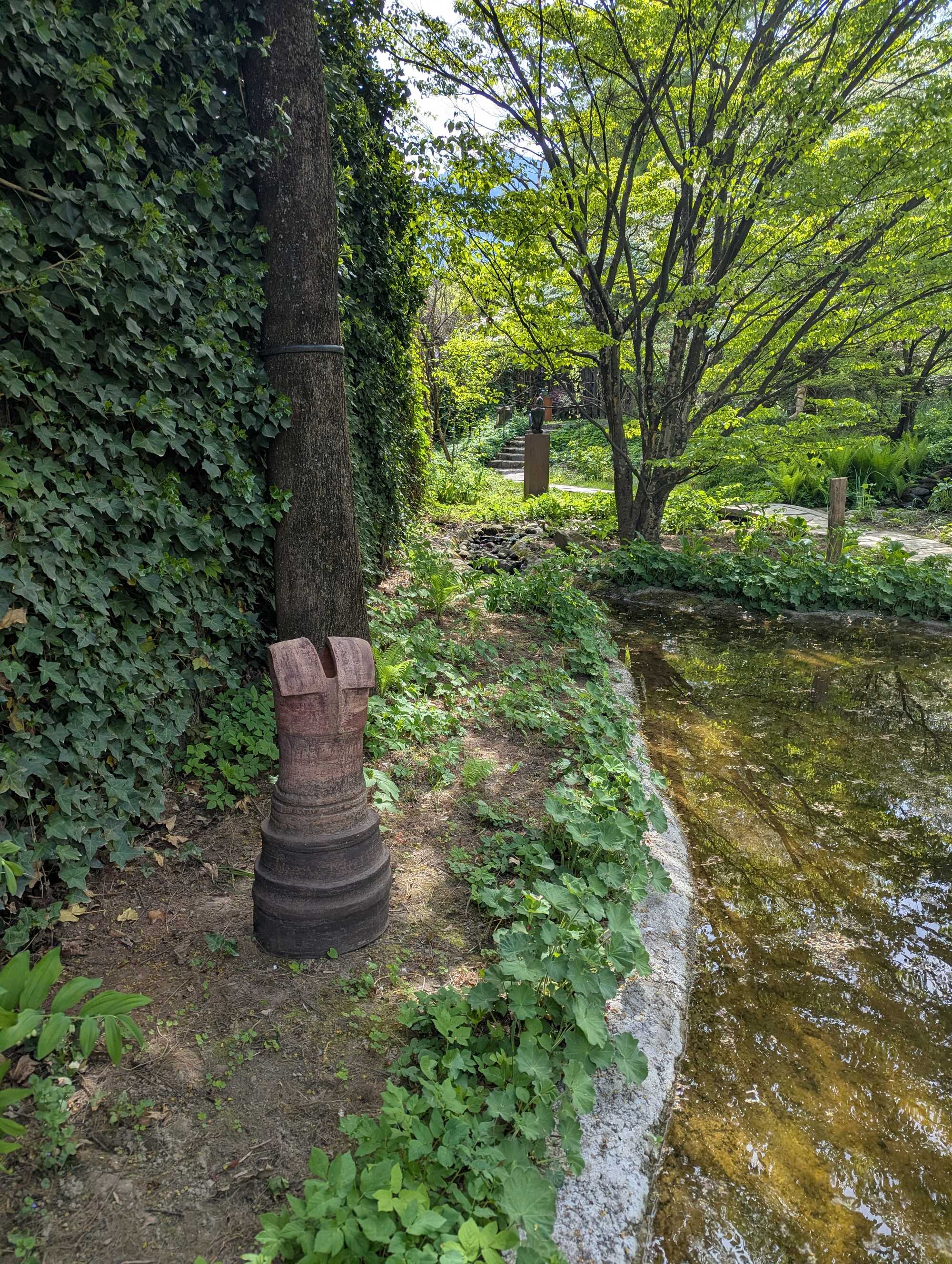
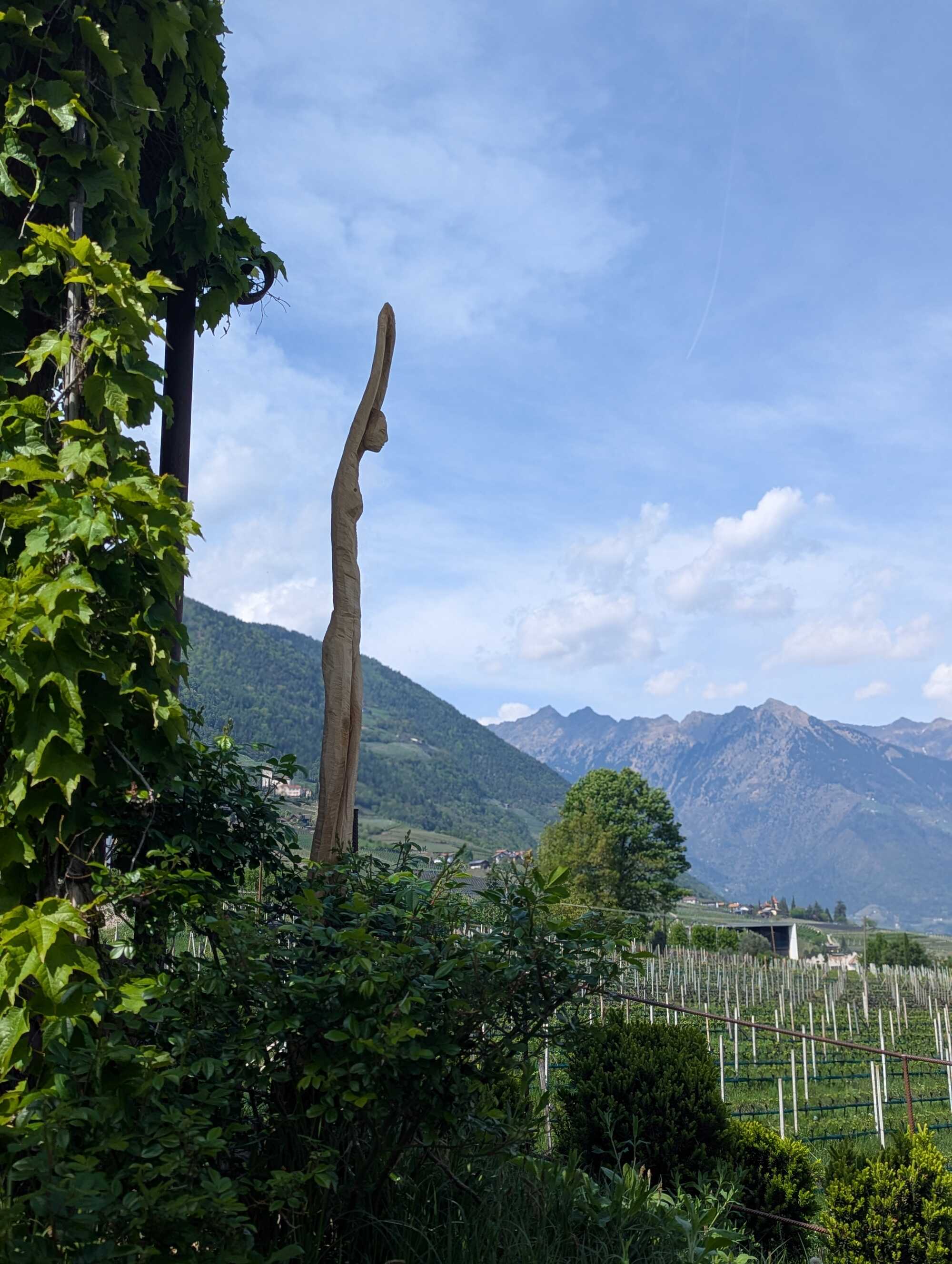
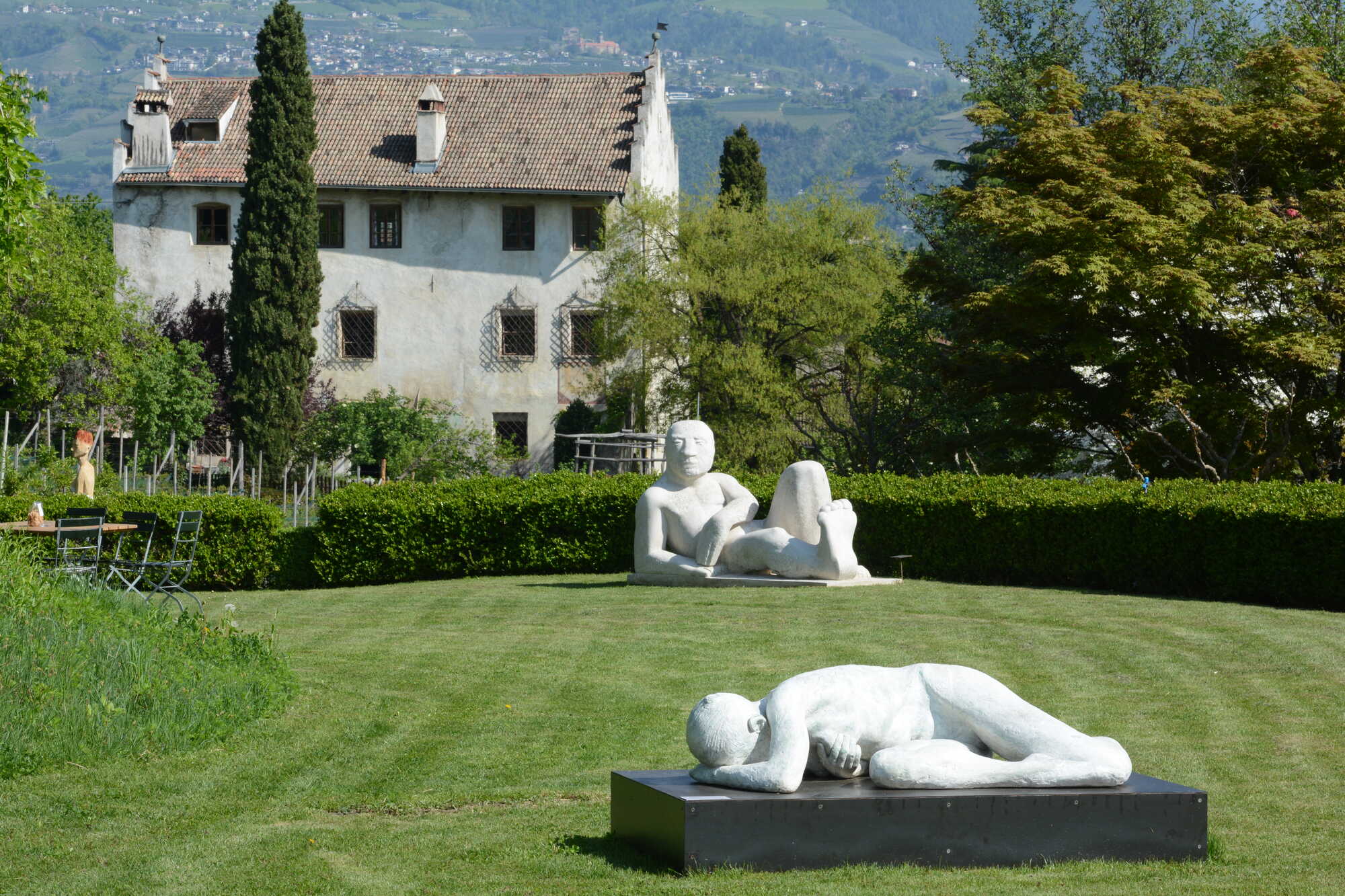
Another distinctive feature of the exhibition is the atmosphere of Kränzelhof. The sculpture garden does not isolate artworks within neutral exhibition architecture; instead, sculptures are embedded within vineyards, gardens, pathways, and historical structures. Nature becomes an active participant in the exhibition. Light changes surfaces throughout the day, vegetation frames and obscures forms, and visitors encounter works gradually through movement and discovery.
This dialogue between sculpture and landscape has defined Kränzelhof for twenty years. Situated in South Tyrol’s culturally layered environment, the estate has established itself as a place where contemporary art can exist in sustained conversation with place, history, and sensory experience.
As Kränzelhof marks its twentieth anniversary, the exhibition stands as both celebration and continuation: a reminder that sculpture remains a living, evolving medium capable of questioning inherited images while opening new spaces for dialogue.
Myfanwy Halton wrote this article in English.
About the author
Myfanwy Halton
Myfanwy Halton is a writer and producer from Australia and is based in Munich.
Translation
Elka Parveva-Kern
Elka Parveva-Kern supports Sculpture Network since 2024 as a translator - a wonderful opportunity to combine her long-standing interest in languages and art.