Abu Jafar

The Wonder Garden (2006)

In collaboration with Ewa Wawrzyniak
Art in the Garden, Sir Harold Hillier Gardens, Romsey, United Kingdom
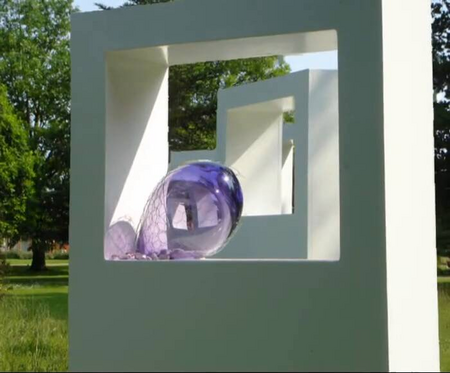
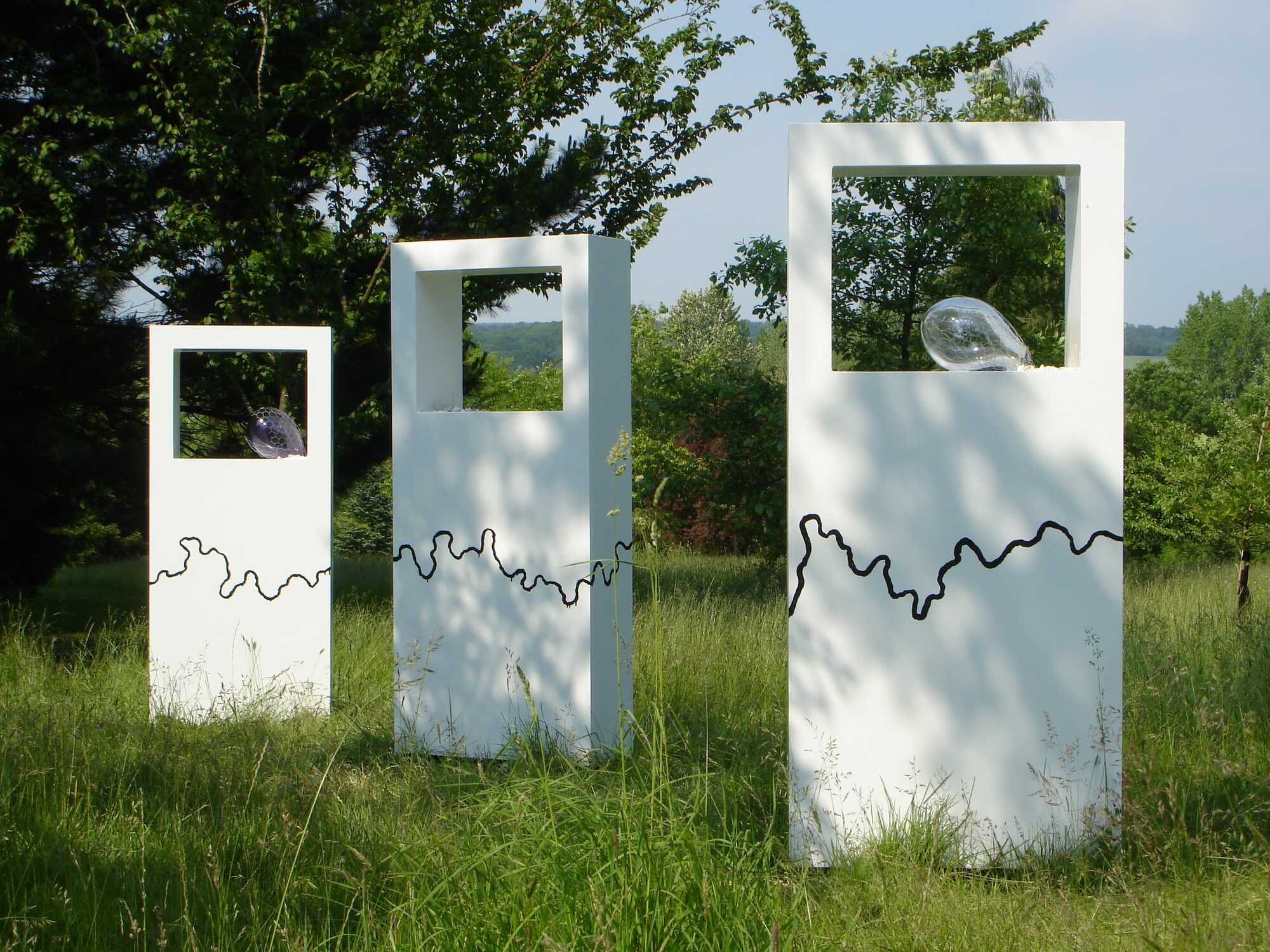
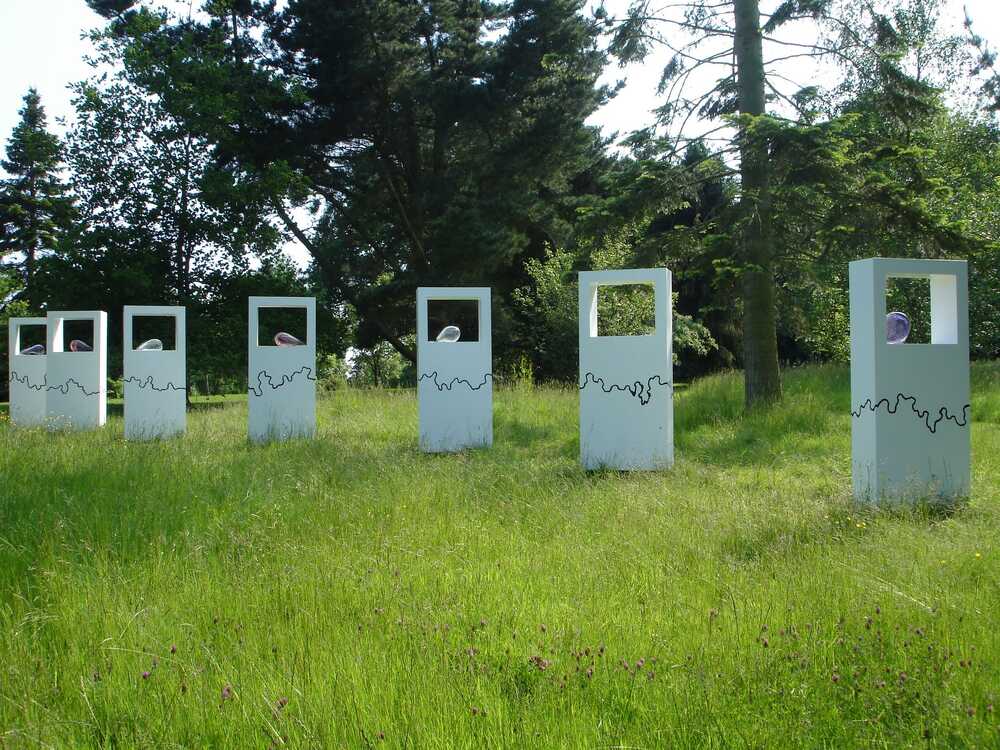
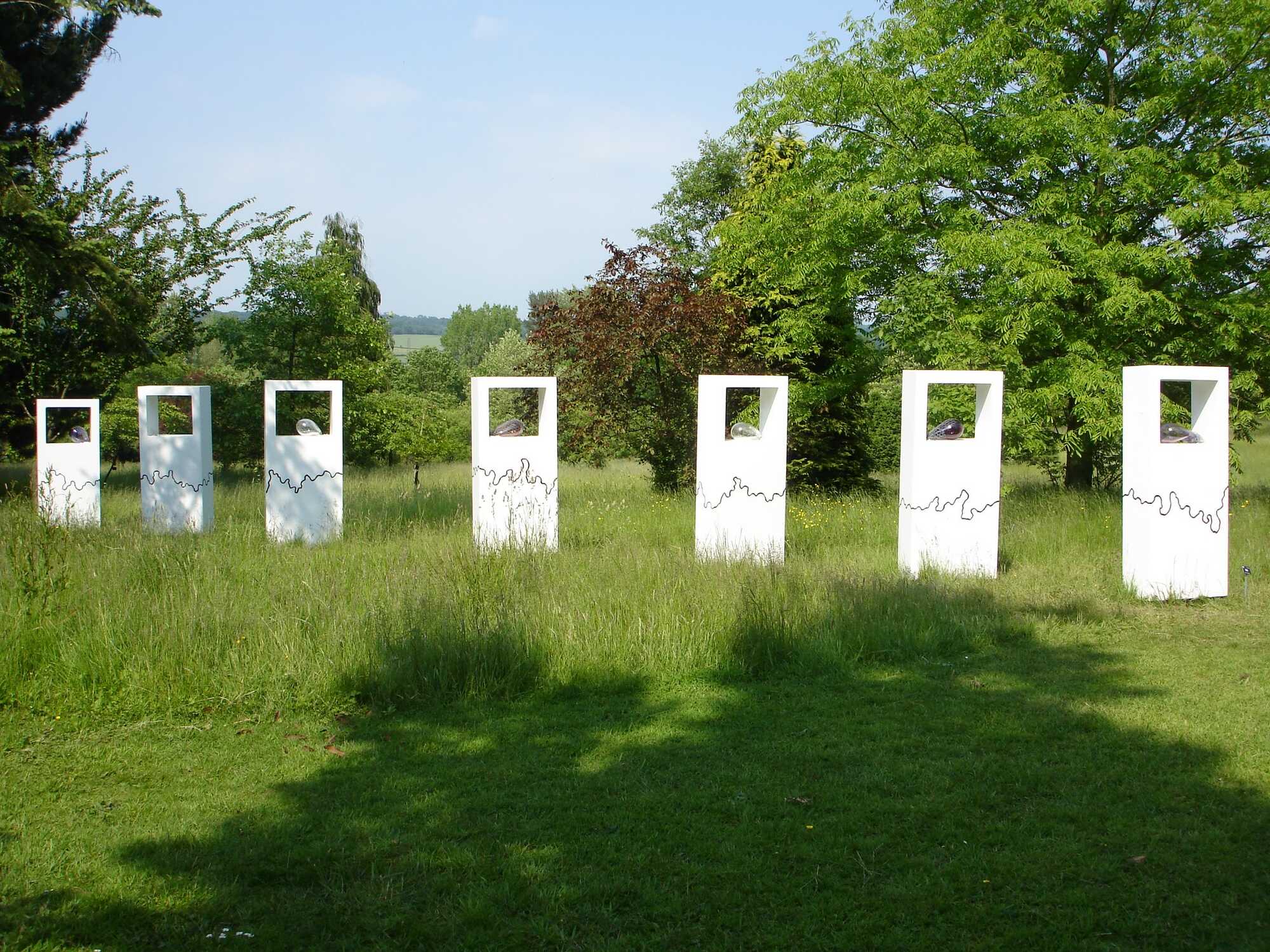
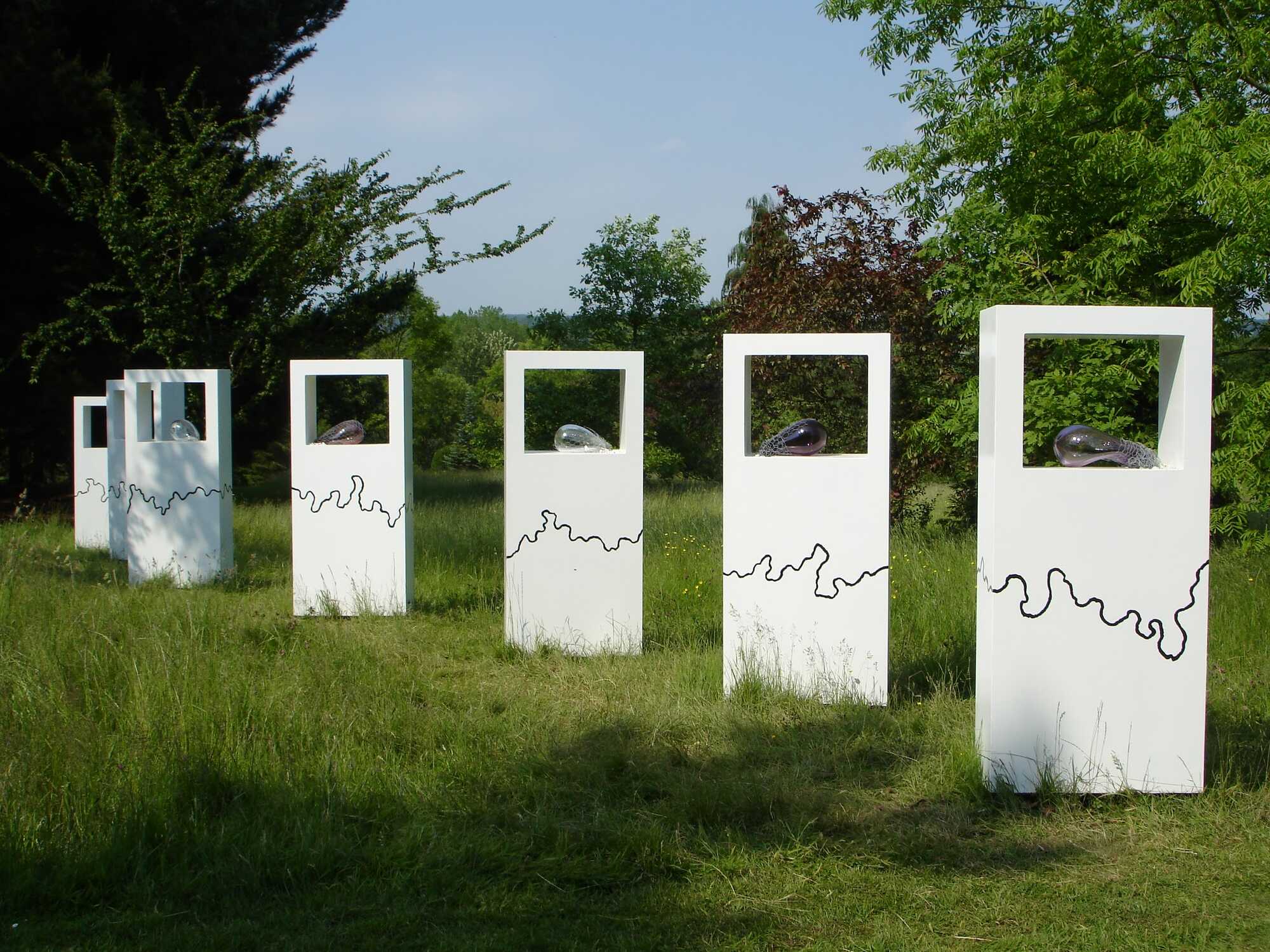
The Wonder Garden was Abu Jafar's first public structural sculpture in the United Kingdom. Created in collaboration with glass artist Ewa Wawrzyniak, the installation consisted of seven wooden structures, blown glass elements, line drawing, stone and landscape, extending approximately fifteen metres through the garden setting.
The project began with the discovery of a discarded blown-glass object, which inspired a new artistic vision. Developed for the theme of Nature, the work explored wonder, growth and the hidden connections between living things. A continuous line flowed across the structures, linking individual forms into a unified journey through space and landscape. Combining sculpture, glass and nature, The Wonder Garden invited viewers to reflect on the beauty of discovery and the interconnectedness of the natural world.
The Wonder Garden (2006)

In collaboration with Ewa Wawrzyniak
Art in the Garden, Sir Harold Hillier Gardens, Romsey, United Kingdom
Wood, blown glass, stone, line drawing and landscape
Seven wooden structures, approximately 15 metres in length
The Wonder Garden (2006) was a site-specific sculptural installation by Abu Jafar in collaboration with glass artist Ewa Wawrzyniak, created for Art in the Garden at Sir Harold Hillier Gardens, Romsey. The project marked an important milestone in Jafar's artistic career as his first major public structural sculpture realised in the United Kingdom.
The work originated through an unexpected moment of discovery. One evening, while visiting Ewa Wawrzyniak's home, Jafar noticed a blown-glass object outside a window. Curious about the form, he asked about its origin and learned that it was a discarded glass piece that had been rejected and left aside. Where others saw an unsuccessful object, Jafar recognised a hidden possibility. The abandoned form immediately captured his imagination and became the starting point for a new artistic idea.
Around the same time, while reading an artist's newsletter, he came across an open call for the summer exhibition Art in the Garden at Sir Harold Hillier Gardens. The theme was Nature. Inspired by the rediscovered glass object and by the exhibition theme, Jafar began sketching ideas and developing a proposal that explored relationships between nature, growth, connection and wonder.
Working from his drawings, he asked Ewa whether the unusual organic forms he envisioned could be realised in blown glass. Ewa's response was encouraging and direct: "Yes, we can do it." The collaboration began immediately.
The proposal was submitted to the exhibition organisers and, approximately one month later, both Abu Jafar and Ewa Wawrzyniak received confirmation that the project had been selected for inclusion in the exhibition. This acceptance marked an important breakthrough in Jafar's practice and provided the opportunity to realise his first large-scale public structural sculpture in Britain.
The completed installation consisted of seven white wooden structures extending approximately fifteen metres across the garden landscape. Within each structure was a unique blown-glass form, suspended like a precious natural specimen between architecture and nature. Flowing continuously across the surfaces of the structures was a hand-drawn line that visually linked each element to the next.
This line became one of the earliest manifestations of a motif that would later recur throughout Jafar's artistic practice. The line functioned as a metaphor for connection, continuity and movement, suggesting invisible relationships between people, places, memories and the natural world.
The blown-glass elements evoked seeds, droplets, cells, flowers or emerging life forms. Their fragile transparency contrasted with the solidity of the wooden structures, while the surrounding garden became an active participant in the work. Light, weather, vegetation and seasonal change continually altered the visual experience of the installation.
At the heart of The Wonder Garden was the belief that wonder often begins with simple acts of observation. A discarded object becomes the source of inspiration. A line becomes a pathway of connection. Nature becomes a space for reflection and discovery. Through these transformations, the work invited viewers to reconsider the relationship between imagination and the natural environment.
More than a public sculpture, The Wonder Garden established ideas that would continue to define Abu Jafar's later practice, particularly his exploration of line as a symbol of connection, hope and human interconnectedness. It remains a landmark work within his career, marking the beginning of a sustained dialogue between sculpture, landscape, philosophy and the wonder of nature.
All artworks from Abu Jafar
Scroll to top of the page