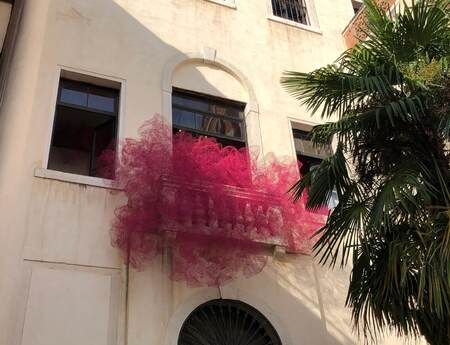
Where roots point to the future: Tuwaiq Sculpture 2027 is inviting artists to Riyadh

The next edition of the international Tuwaiq Sculpture Symposium is approaching. Titled “Where Roots Run Deep”, it invites sculptors from around the world to submit project ideas for contemporary sculptures to be displayed in public spaces in Riyadh. In this article, two previous participants reflect on their experiences, intercultural exchanges, and encounters with Saudi Arabia.
How are places shaped by history, landscape, and cultural identity? This question will be addressed at the 2027 Tuwaiq Sculpture Symposium. Taking the theme of “Where Roots Run Deep”, the symposium invites artists to explore issues of origin, memory, belonging and change, and to reimagine public spaces.
From January to February 2027, Riyadh will once again become a hub for international sculpture. The Saudi Arabian capital has strong historical and cultural roots, whilst at the same time undergoing a transformation that sees tradition and renewal engage in dialogue.
The organisers are seeking artistic interpretations of this interplay from a contemporary perspective. The roots do not have to be depicted literally; they can be expressed through materials, traces, movements, or spatial relationships. Light, shadow, sound and the surroundings can all be incorporated into the artwork. The symposium encourages the artists to think beyond the traditional concept of a monument and create new relationships between people, places, and cultural heritage.
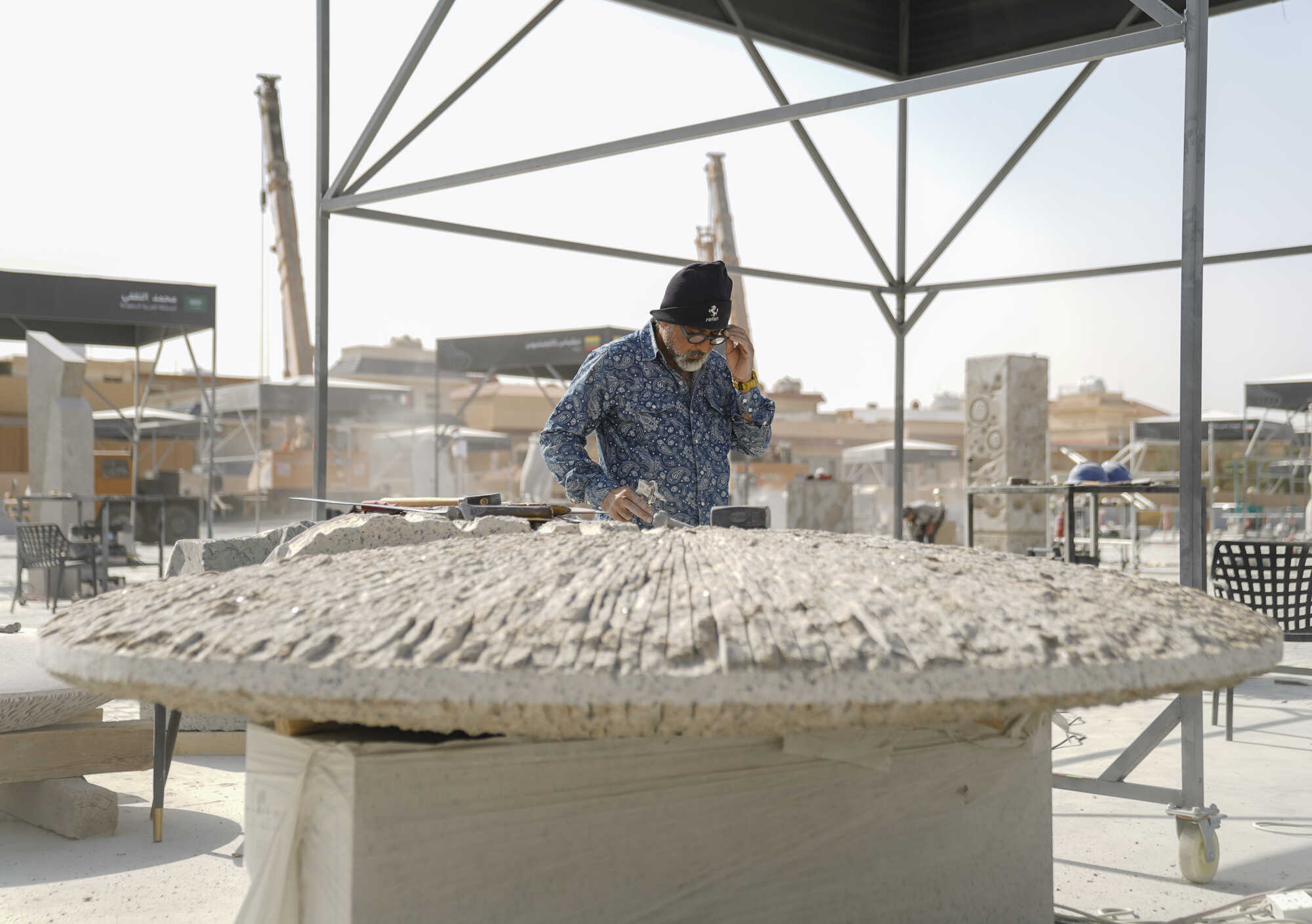
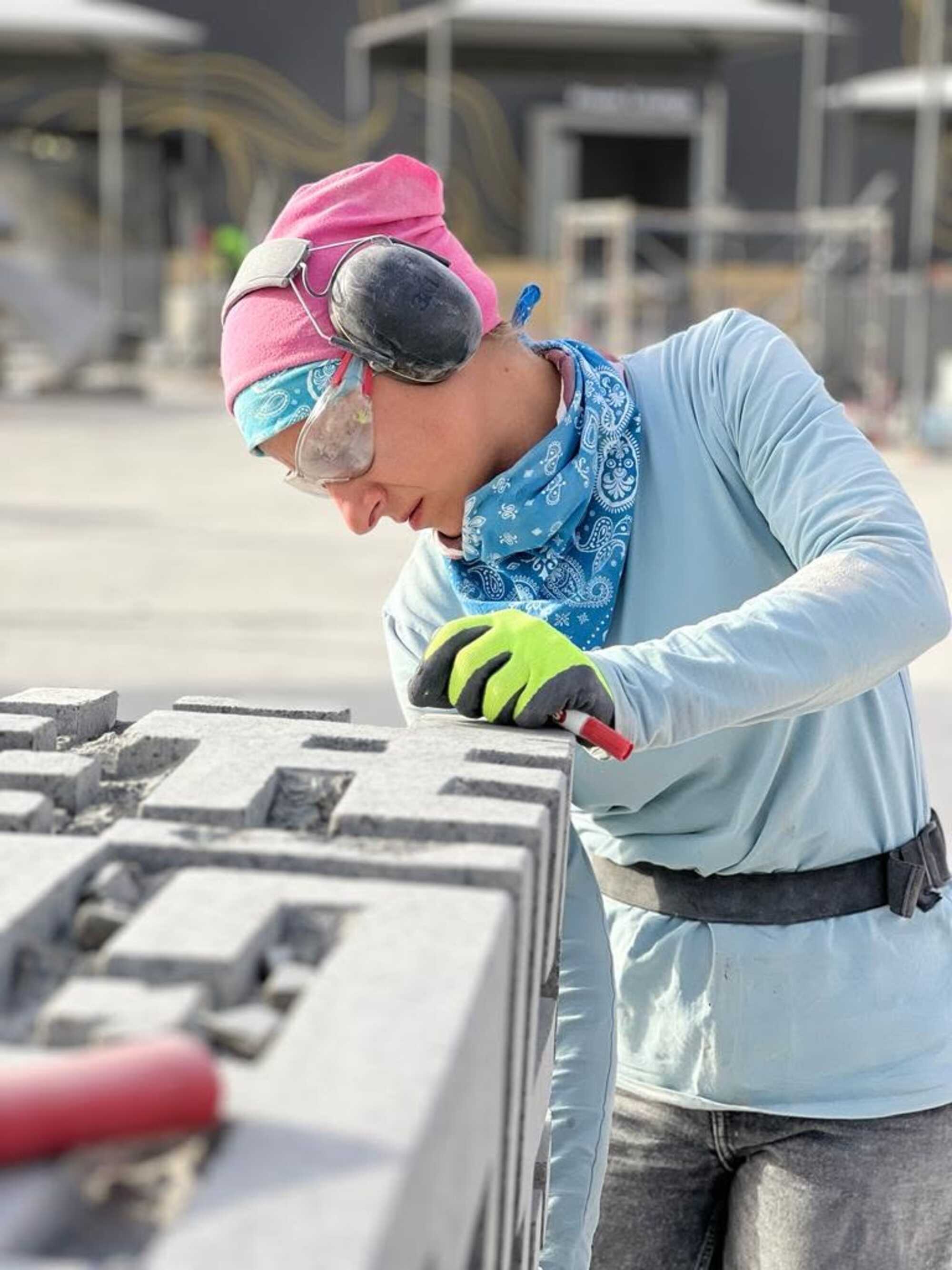
Romanian artist Ana Maria Negară has already attended two previous editions of the symposium. Her experience illustrates how rewarding participation can be. She was particularly impressed by the opportunity to experience Saudi Arabia’s cultural heritage first-hand. Visiting At-Turaif, a UNESCO World Heritage Site in Diriyah, showed her how architecture and tradition can help preserve cultural identity. She also explored the JAX District, a former industrial area that has been transformed into a contemporary art hub.
"This transformation goes beyond a mere architectural redesign. It reflects a considered cultural vision, in which aesthetic sensitivity, discernment, and the courage to invest in contemporary art enable spaces that were once defined by their industrial character to take on a new purpose – the promotion of dialogue, knowledge, and international artistic exchange. Reflecting on these experiences, I am convinced that initiatives such as Riyadh Art exemplify the transformative power of art to redefine the relationship between public spaces, cultural heritage, and society. I am impressed not only by the scale of these projects, but also by the vision behind them and their focus on artistic quality. I also appreciate the understanding that cultural development requires respect for the legacy of the past, as well as a willingness to create new landmarks for the future."
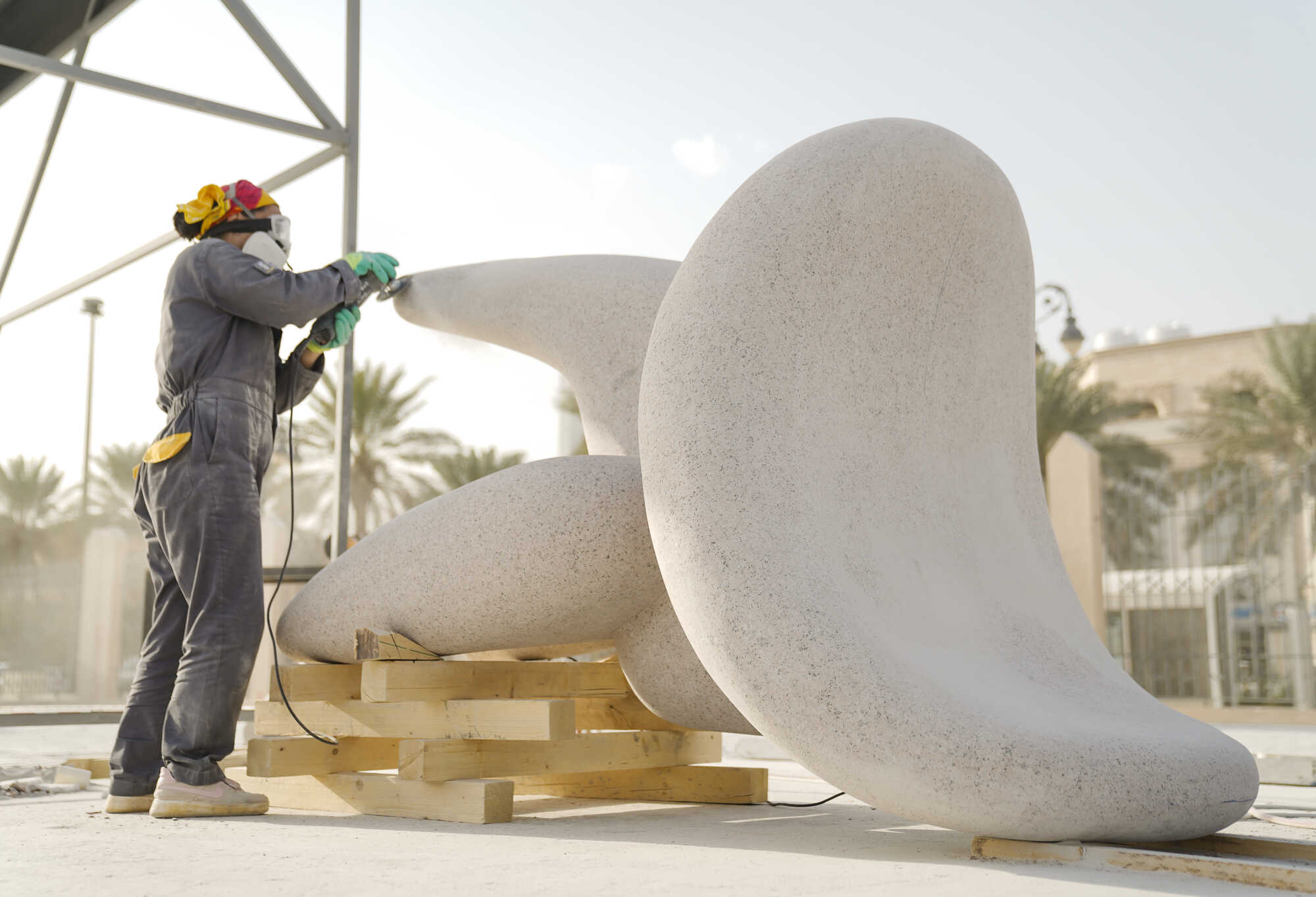
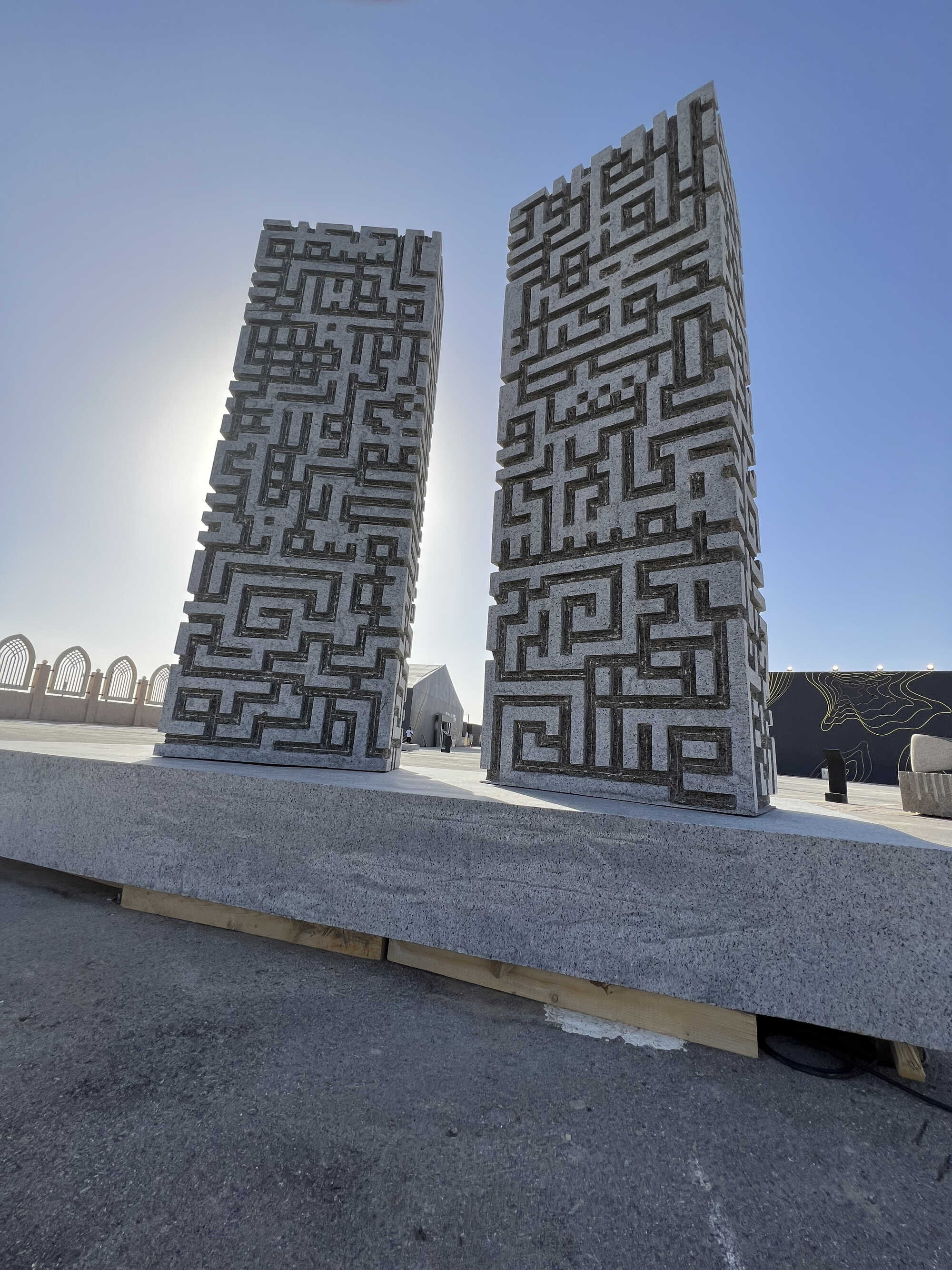
The symposium also had a positive impact on Ana Maria Negară’s work. As part of a larger project comprising 99 sculptures in total, she created two monumental sculpture ensembles. These labyrinthine installations encourage visitors to explore the space and reflect. Additionally, the panel discussions provided Ana Maria with an opportunity to present her artistic practice and exchange ideas with the other participants. She strongly encourages her fellow artists to apply, as the symposium offers opportunities for artistic development and international exchange, as well as the chance to co-create cultural heritage.
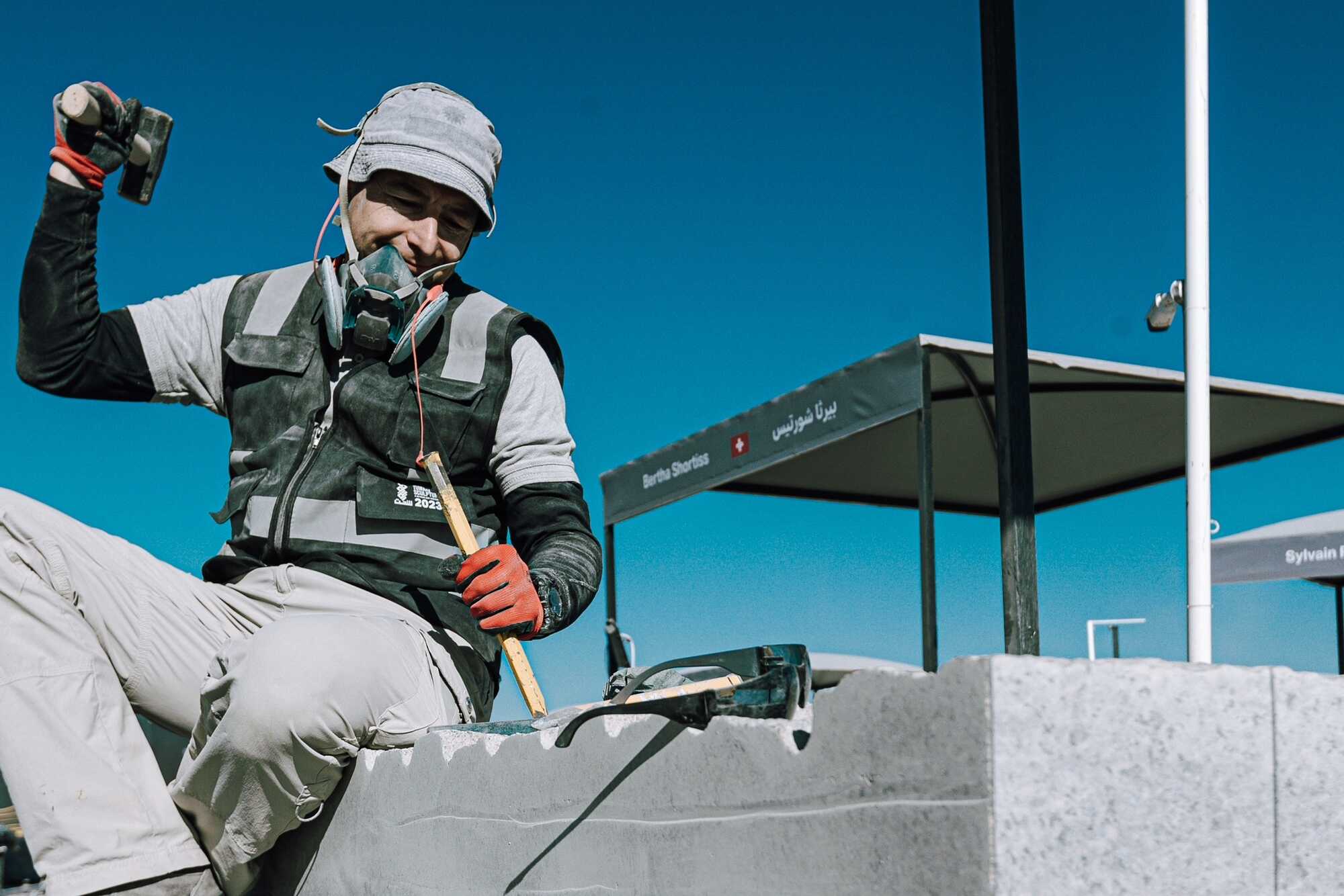

German sculptor Roland Höft, who participated in the 2023 symposium, reflects on his experience with satisfaction, too. He fondly remembers his first visit to Saudi Arabia, recalling the warm hospitality of the people and their open-mindedness, as well as the interplay between tradition and advancement.
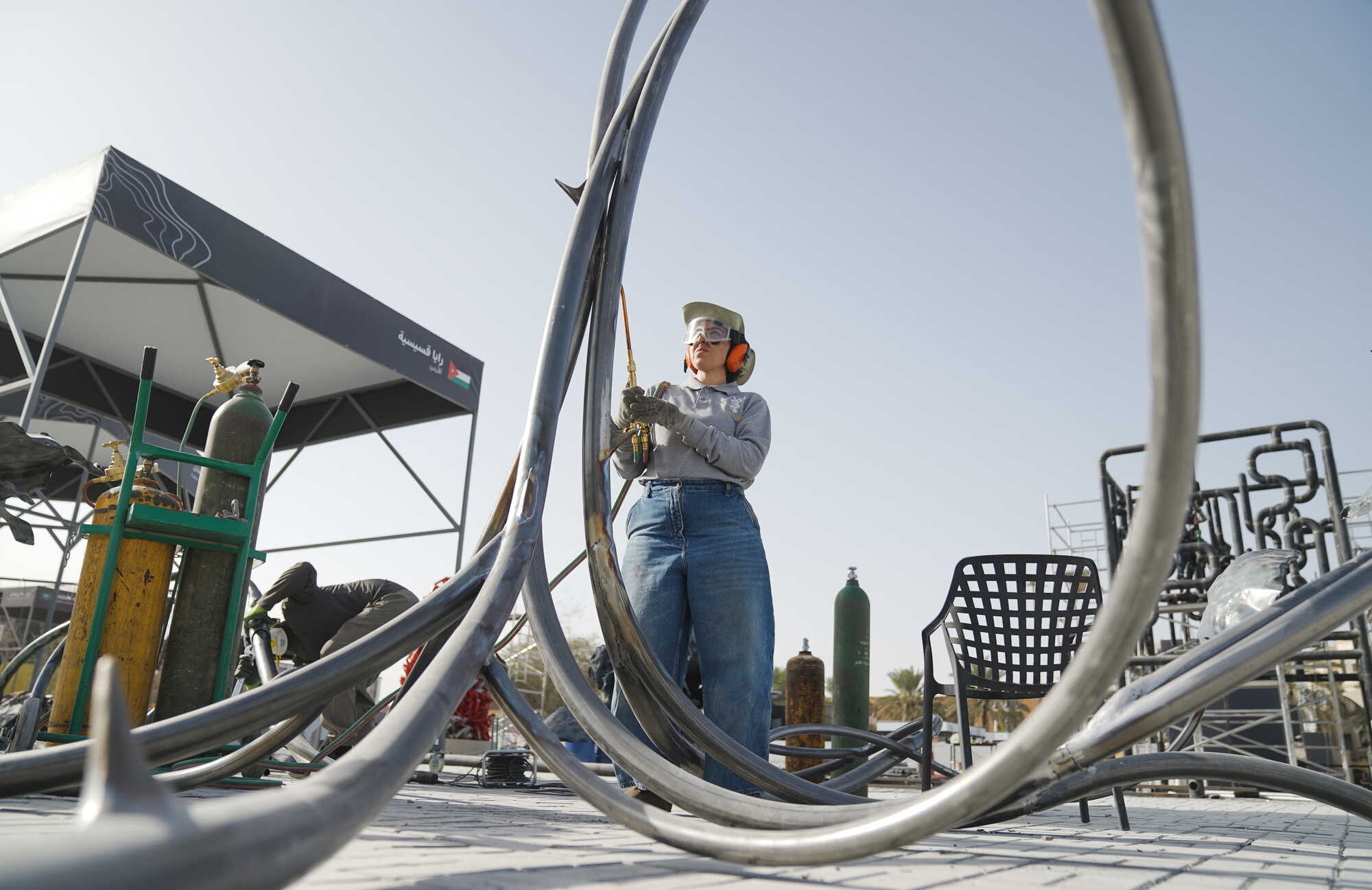
Höft also praises the organisation of the symposium, highlighting the excellent accommodation and working conditions that were provided. Artists with less experience of working with the available materials were offered support to help them carry out their projects. Therefore, his message to interested artists is clear: ’Don’t be afraid to apply!’
Roland would wholeheartedly recommend the symposium and would be open to taking part again. His experience highlights the importance of good conditions, support and international encounters alongside artistic work.
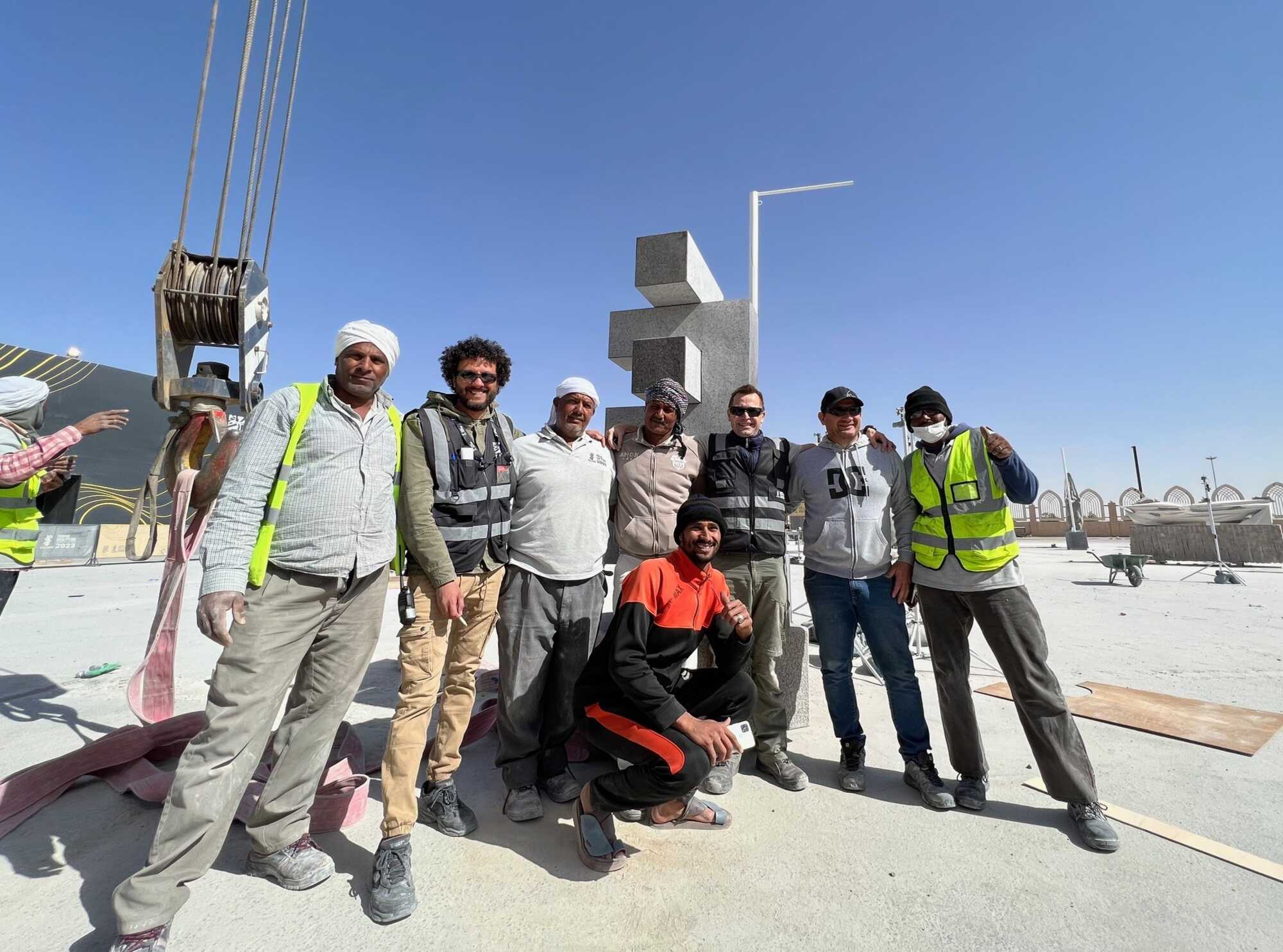
Those interested in applying will have the opportunity to develop their artistic style further in an international setting, and to create a sculpture that explores the roots of a place. After all, roots connect the past and the present, while also opening up new possibilities for the future.
Applications close on 8 November 2026. The symposium will take place from January to February 2027. Professional sculptors with at least three years’ experience in sculpture and exhibition practice are eligible to apply.
More Information und Application: Tuwaiq Sculpture 2027 Open Call
Written by Julia Weiss in German.
About the author
Julia Weiss
Project manager, member care & communication
Translation
Elka Parveva-Kern
Elka Parveva-Kern supports Sculpture Network since 2024 as a translator - a wonderful opportunity to combine her long-standing interest in languages and art.