Mari Terauchi
Kauno kultūros centras
Vytauto pr. 79
LT-44321 Kaunas
Lithuania
Beyond the layers
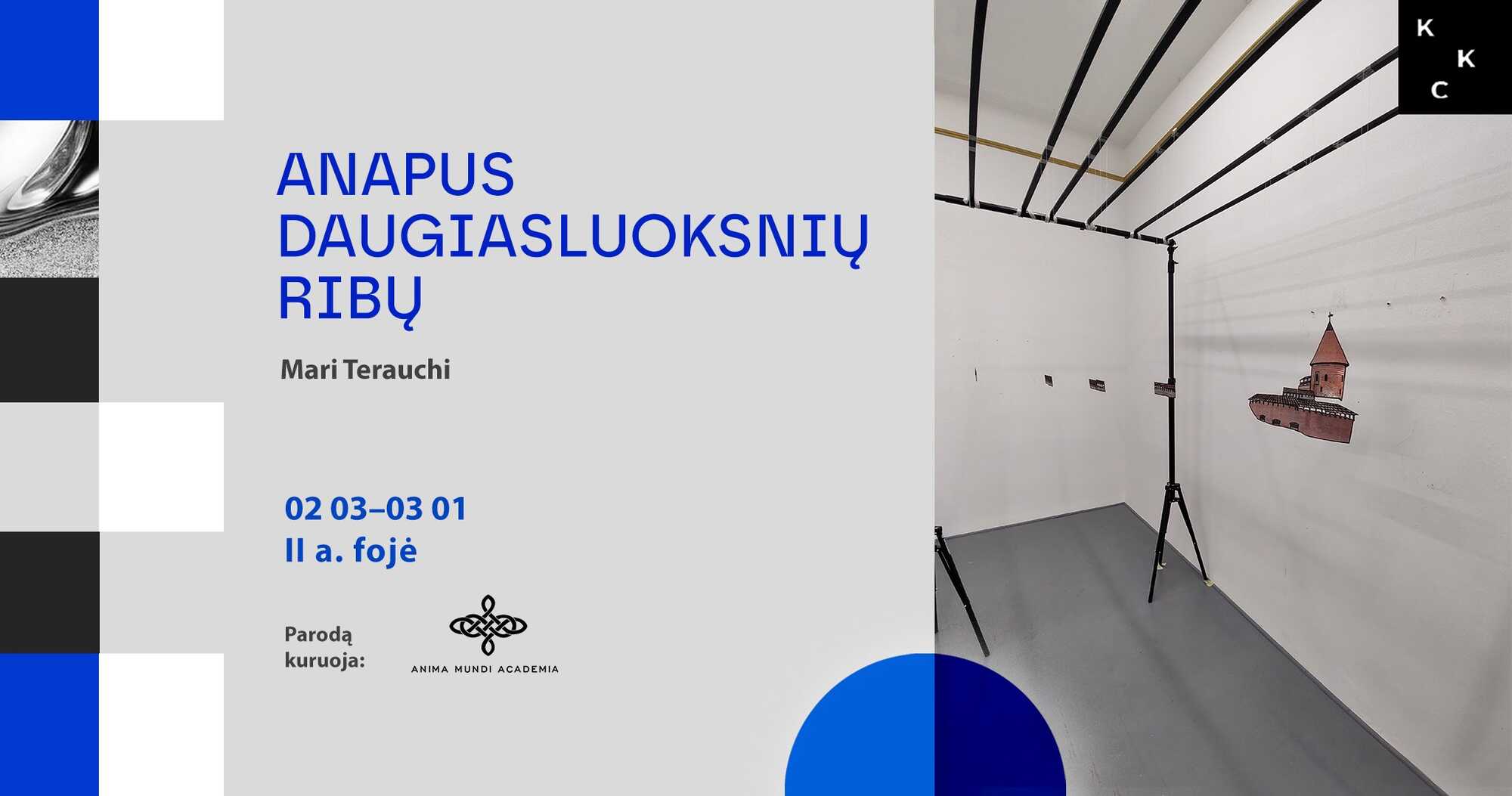
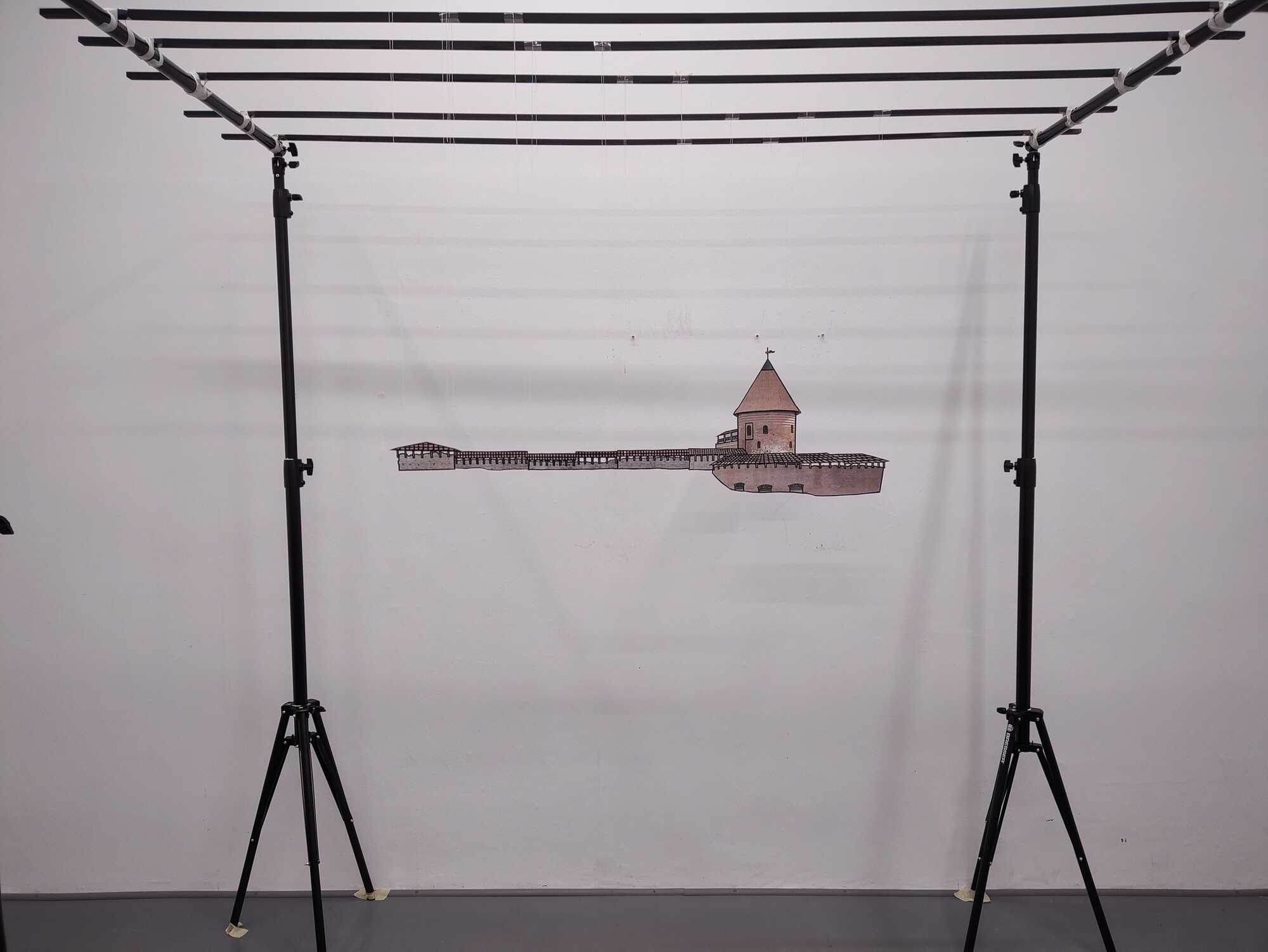
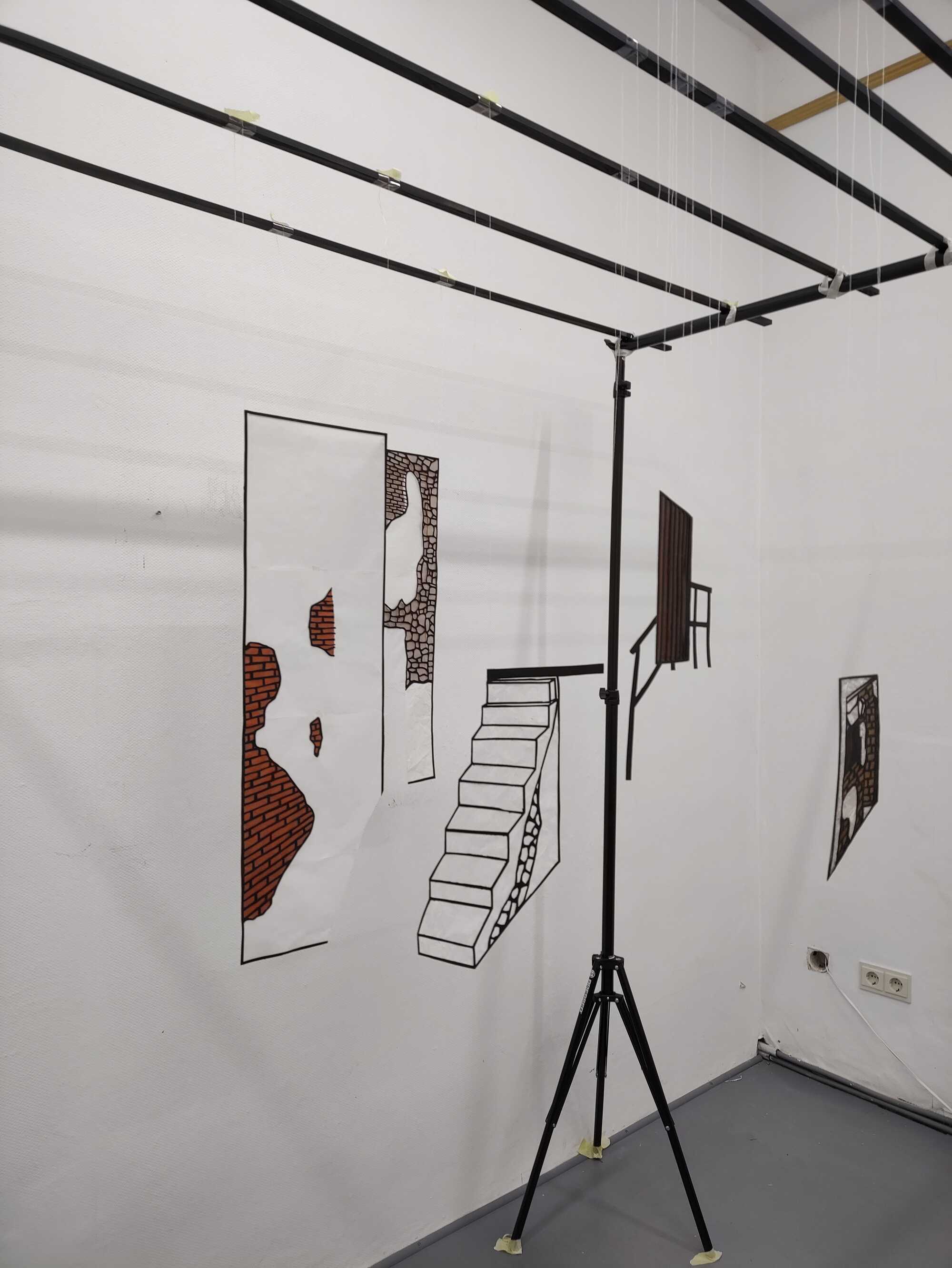
Beyond the layers present the complete series of Paper-cut installation by Mari Terauchi.
Curated by Anima Mundi Academia
At the core of Mari Terauchi's artistic practice are human conditions and social issues. Driven by her curiosity about how people respond to societal topics, the artist explores how individuals navigate collective challenges. Her works often address serious or ambivalent themes, yet they appear in a humorous form. She uses humor deliberately: it softens the initial impact of heavy subjects, provides an accessible entry point, and gently guides viewers toward the underlying message.
Formally, this interest manifests in the combination of figures, objects, and spatial situations into experimental, narrative installations. The individual elements are not only part of a spatial composition but also carriers of potential associations. Image and space, visibility and dissolution, lightness and seriousness exist in a dynamic tension.
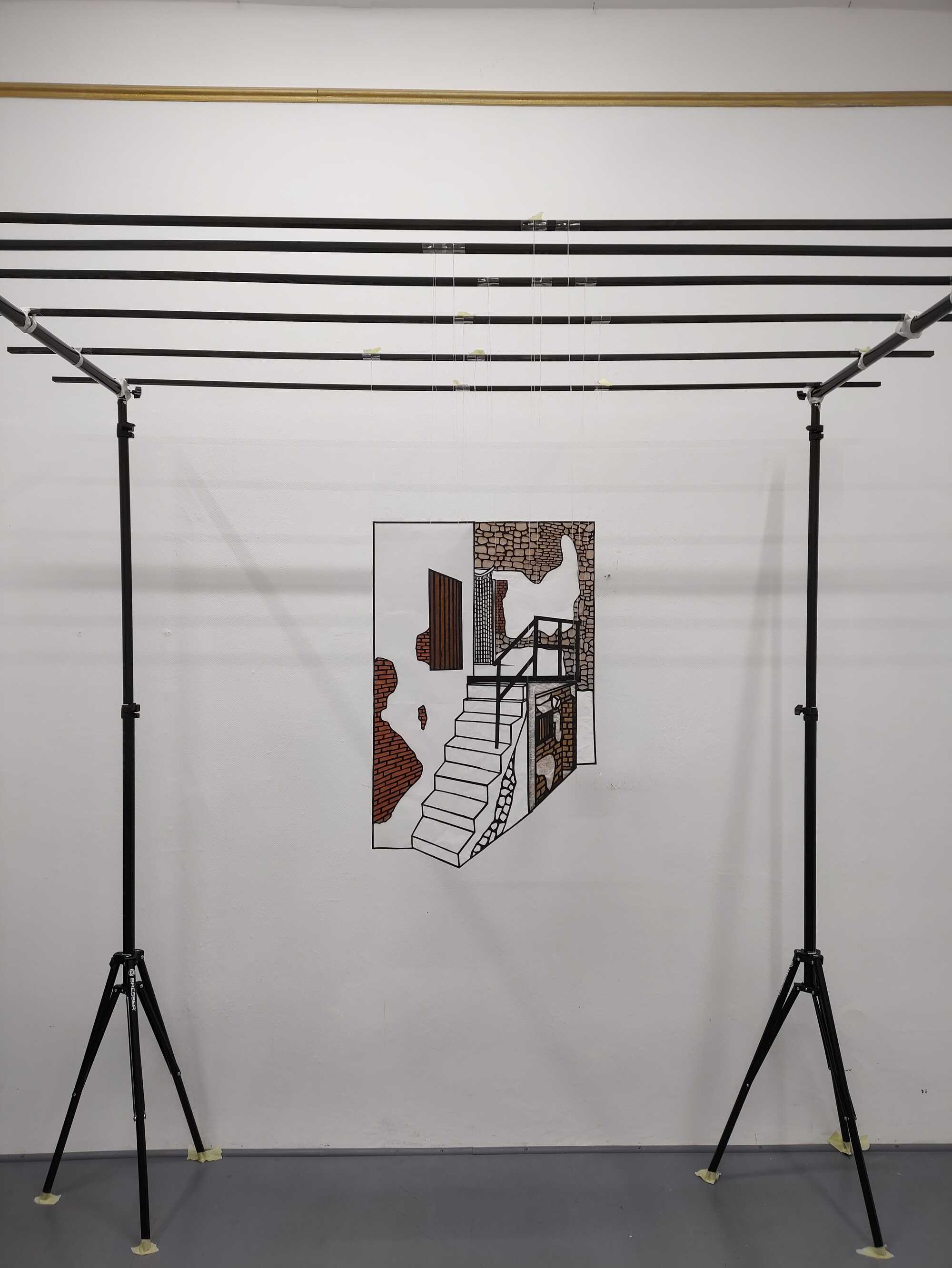
Maris's artistic development began with small-scale, two-dimensional paper-cut works, initially created for charity exhibitions. These early works were intentionally modest in scale. A decisive turning point came two years ago during a three-week artist-in-residence stay in Italy. The program took place on a mountain, and all materials and tools had to be brought by the artists themselves, making it impossible to create one of her usual sculptures. For practical reasons, she chose paper as her medium, which is easy to transport and quick to work with.
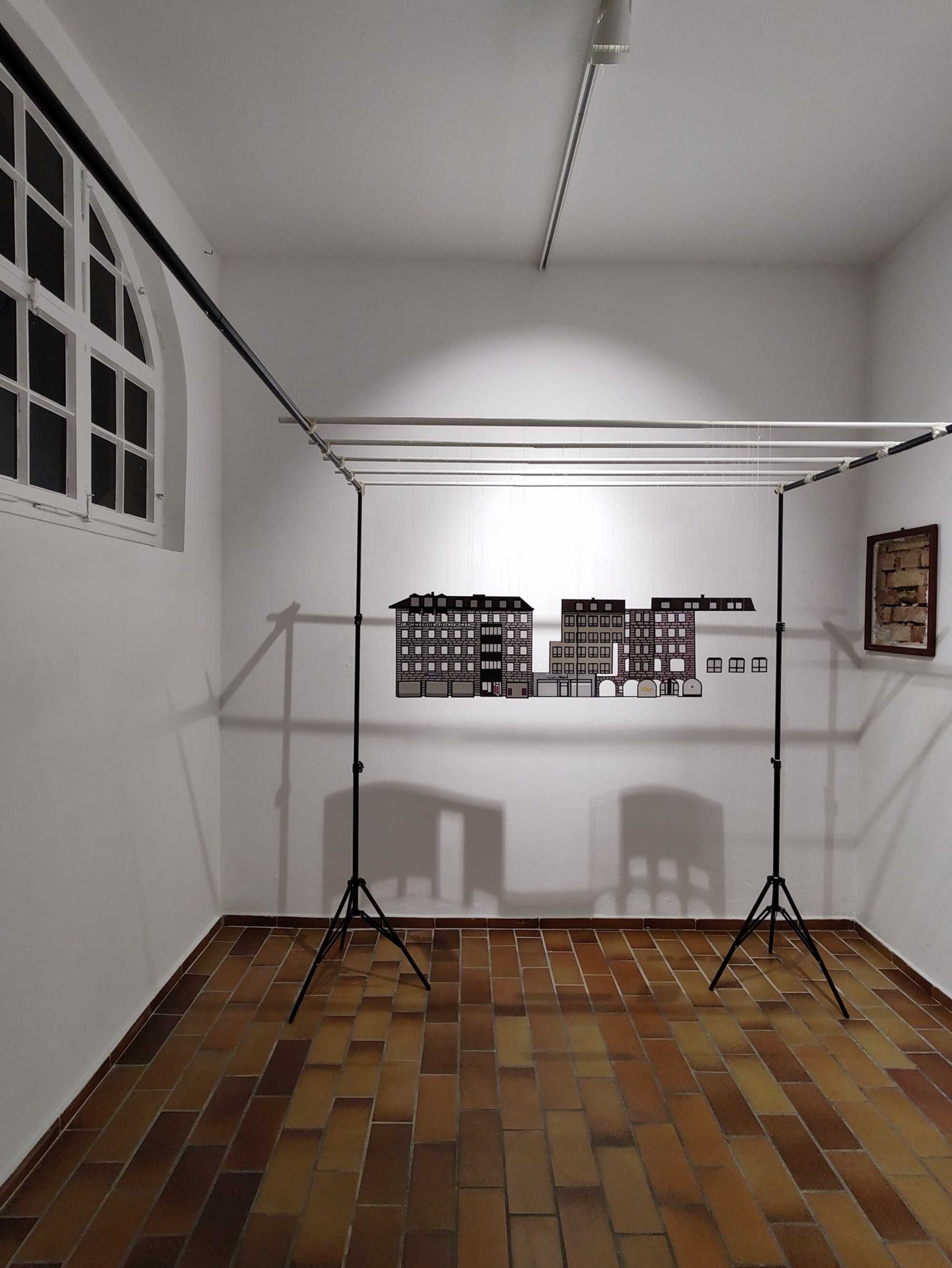
After completing an A2-sized paper cut, however, Mari felt a sense of incompleteness: the work was neither sculpture nor installation and lacked the spatial quality that increasingly characterizes her art. From this gap emerged the idea of a large-scale yet transportable three-dimensional paper work. She broke the motifs into individual components, arranged them at specific distances in space, and suspended them from the ceiling. This spatial arrangement transformed the flat silhouettes into three-dimensional installations.
During the residency, everything was created by hand—from sketching the scenery to drawing and cutting the parts and finally hanging them. Back in her studio, she began photographing the works and transferring them into a spreadsheet program to calculate scale and distances precisely. This analytical approach enabled more efficient planning and execution of subsequent works.
A hallmark of this series is the precise alignment of the individual elements in space: the complete motif can only be seen from a specific vantage point, and even a small step to the side causes the image to dissolve into fragments. A continuous interplay of emergence and disappearance, presence and absence, becomes apparent.
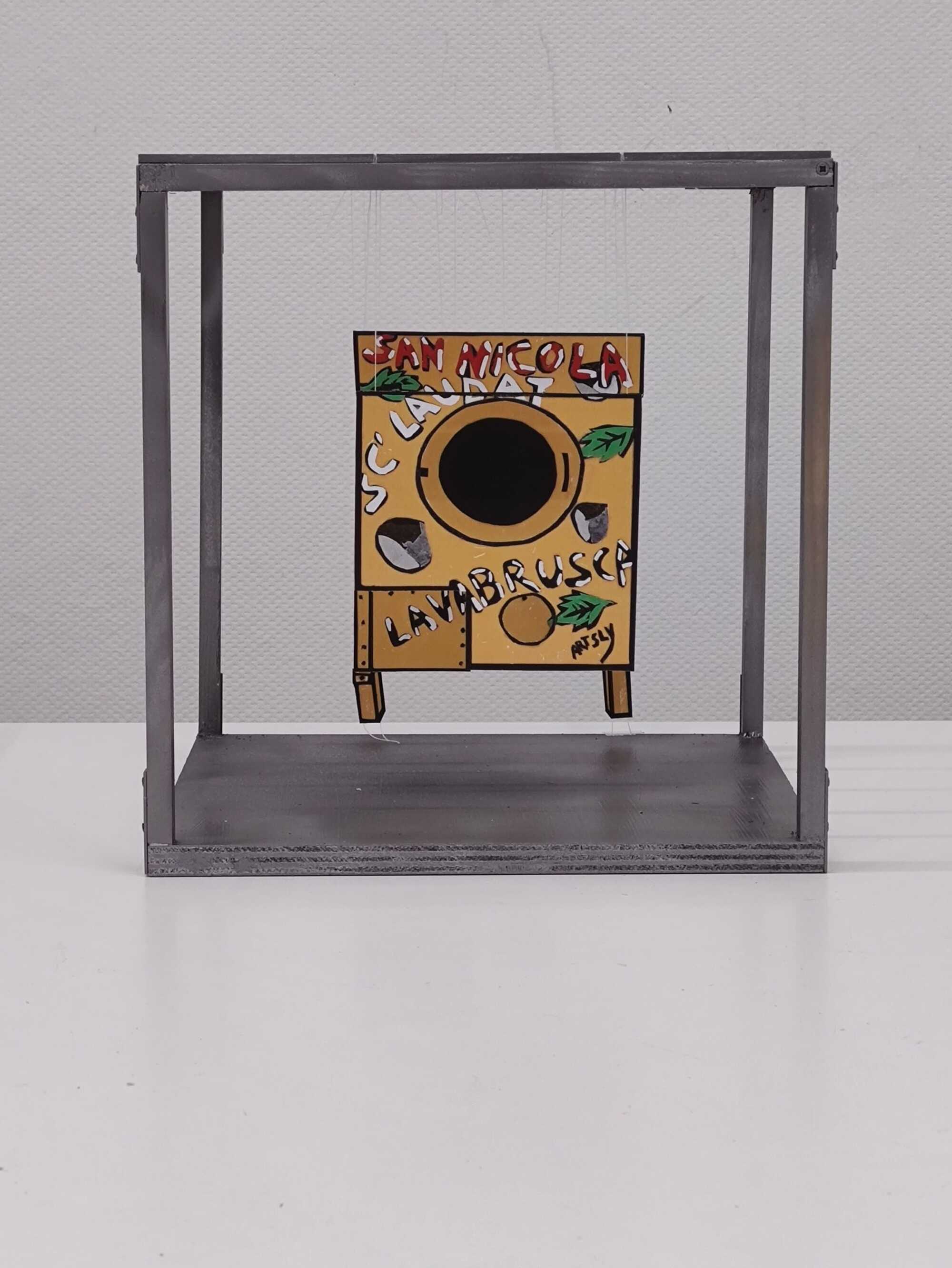
The first work created in Italy was titled Farindola. In Nürnberg, she expanded the principle by defining three distinct viewpoints, from which each building appears as a complete motif. While other works in the series typically provide only a single marked viewing spot on the floor, this work offers three separate positions. For Kaunas, she aimed to create a vertically elongated installation that, when viewed from a specific point, reads as a single architectural composition. Washing Machine represents a smaller version of this series.
Overall, her work is characterized by a fusion of conceptual precision and poetic lightness. The spatial fragmentation of her motifs actively engages viewers, making perception itself the central theme of the exhibition.