Germany
Inmaculada Lara Cepeda "Maku"
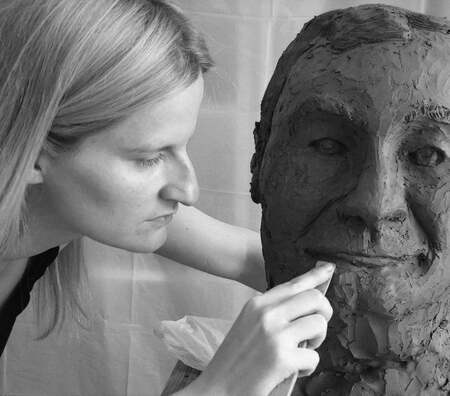
Inmaculada Lara Cepeda ("Maku") (Tomelloso, 1978) is a sculptor, visual, and interdisciplinary artist based between Berlin and Spain. Her formal academic education includes a Bachelor's Degree in Fine Arts from the University of Salamanca (specializing in Sculpture, Audiovisuals, and Sound Art) and a Higher Degree in Applied Arts to Sculpture from the Ávila School of Art. Her professional career is complemented by recognitions such as the creation residency at the Antonio Gala Foundation for Young Creators (2nd Generation, Córdoba) and the European Leonardo Da Vinci Grant for specialization in stone at the Steinmetzzentrum Königslutter in Germany.
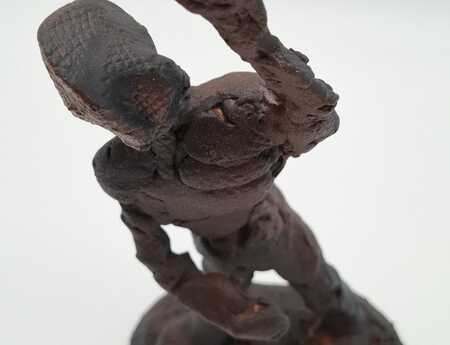
As a sculptor and three-dimensional creator, Maku is distinguished by her mastery and integration of diverse materials. Her production ranges from fine stone carving to monumental works and site-specific installations in granite (Papiroflexia I in O Grove), marble (Máquina Feliz III), limestone (Istmo in Segovia), concrete (Bella Quiteria in Albacete), bronze, iron, as well as mixed structures of steel and sandstone (Tren in Villamayor), while also incorporating contemporary languages of painting, installation, and performance art.
Established in the international art scene, Maku is fully integrated into leading European professional organizations and guilds: she is an active member of the Professional Association of Visual Artists of Berlin (bbk berlin), GEDOK Berlin (Visual Arts section), the Internationale Gesellschaft der Bildenden Künste (IGBK), the International Association for Monumental Sculpture (AIESM), belongs to MAV (Women in the Visual Arts), and is a member of the AEPE (Spanish Association of Painters and Sculptors).
Her artistic concept revolves around spirituality, social commitment, anthropological memory, and the construction of identity from a multicultural perspective. Maku addresses androgyny and gender neutrality in her bodily actions and performance art (such as in Torsiones constreñidas in Dresden), using pigments and androgynous tribal motifs on the skin to transform the human body into a neutral three-dimensional volume, a living sculpture, and a space of resistance that enters into critical tension with both architecture and the viewer.