Unravelling rather than joining

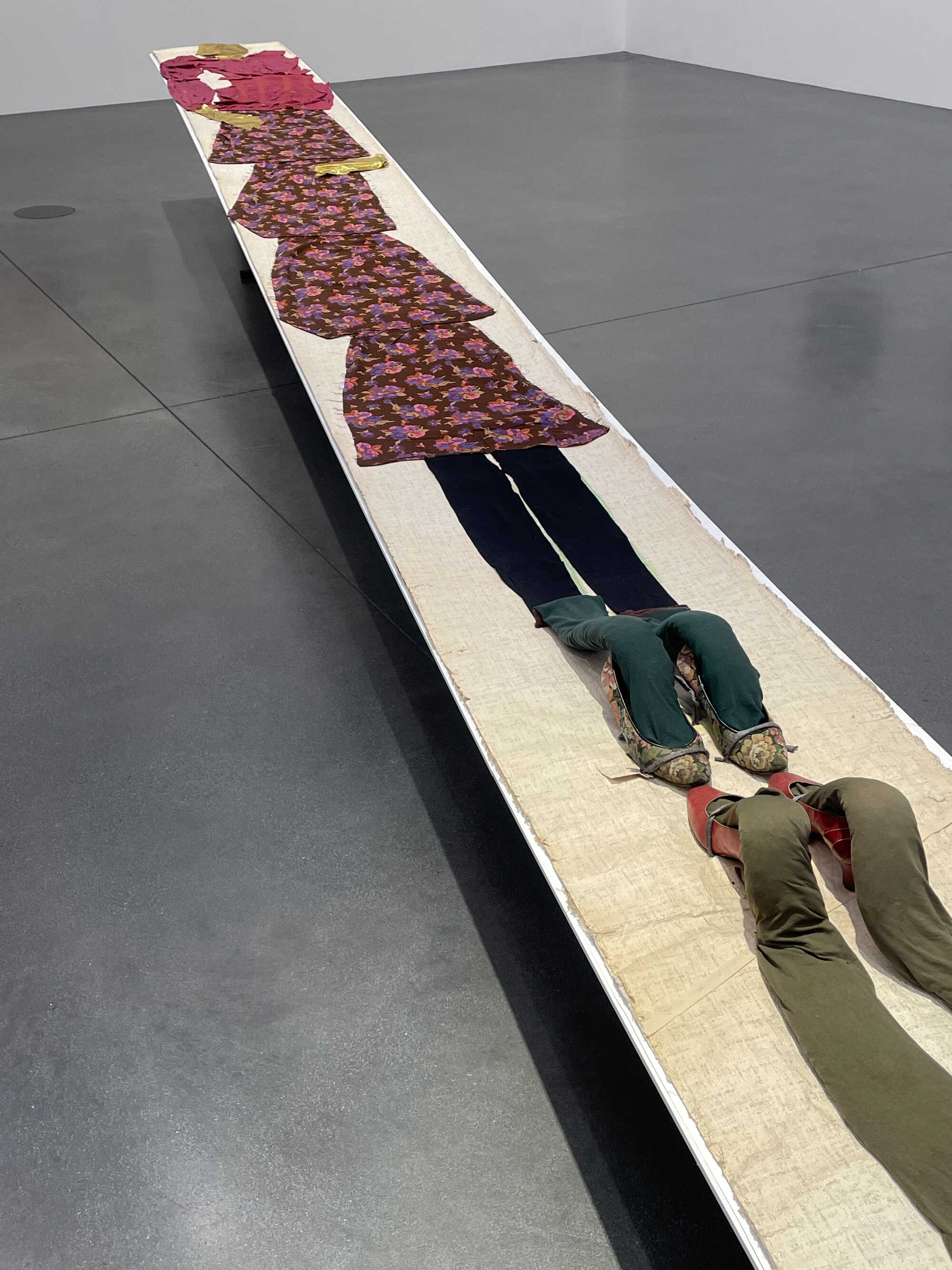
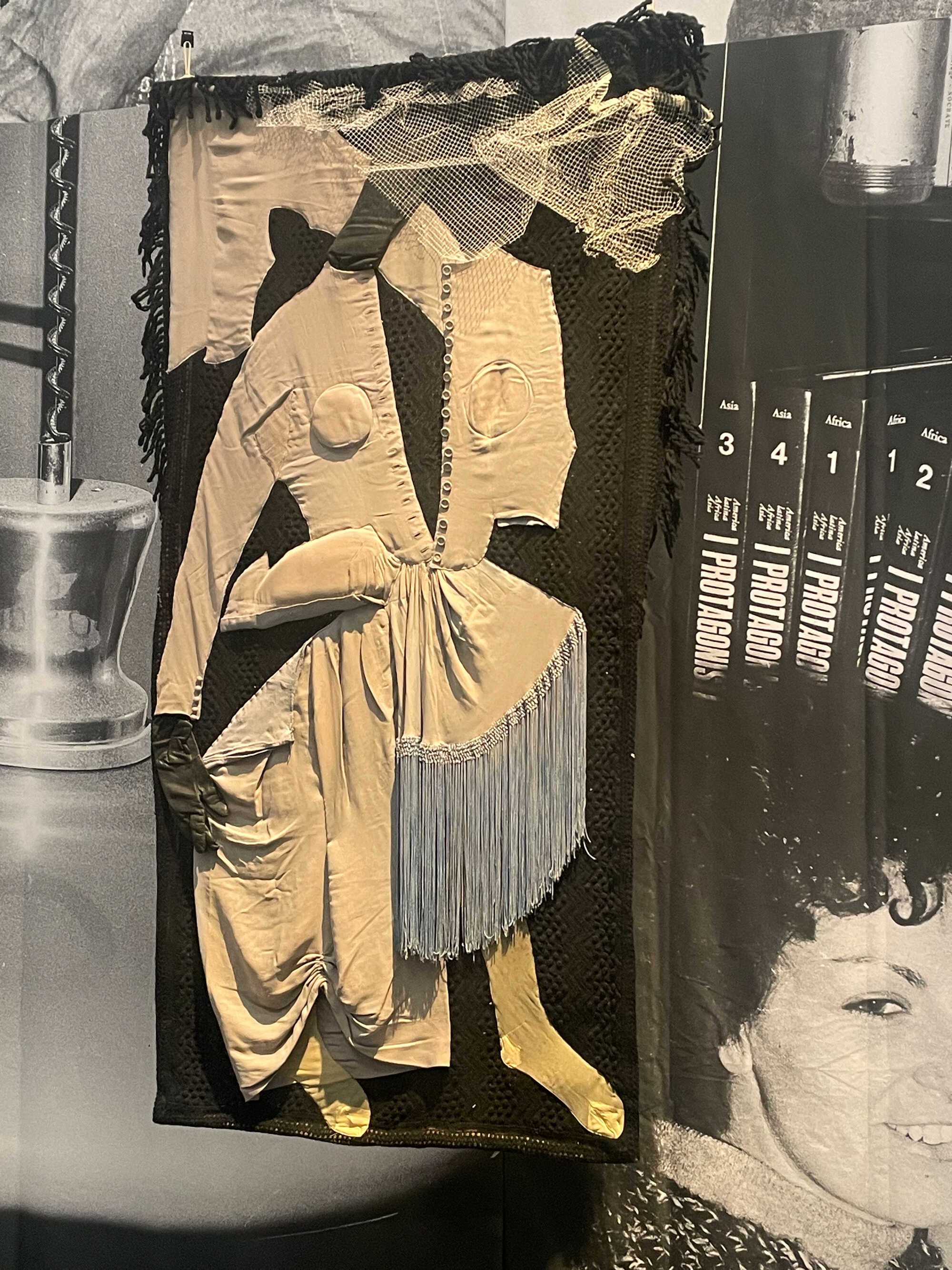
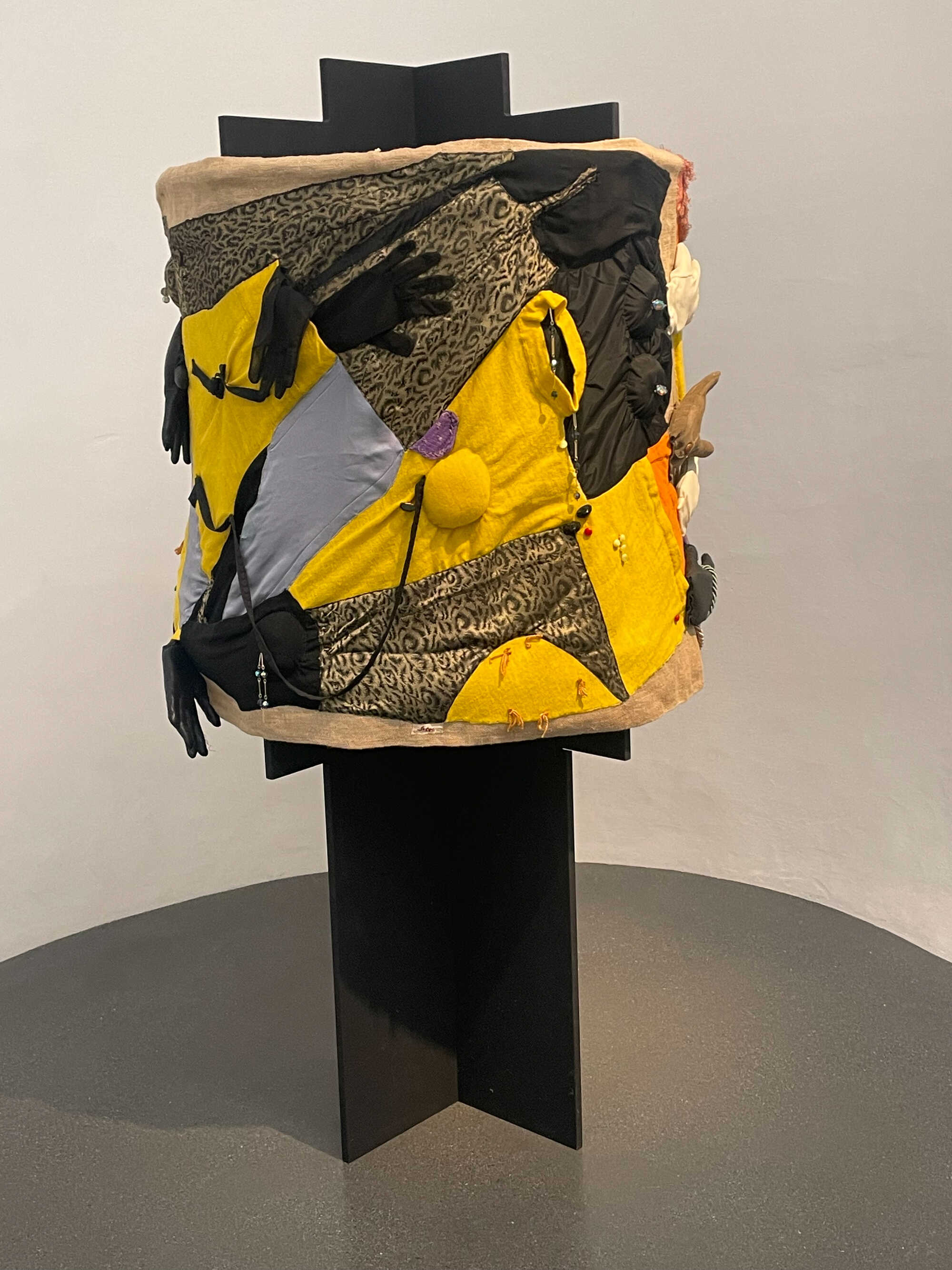
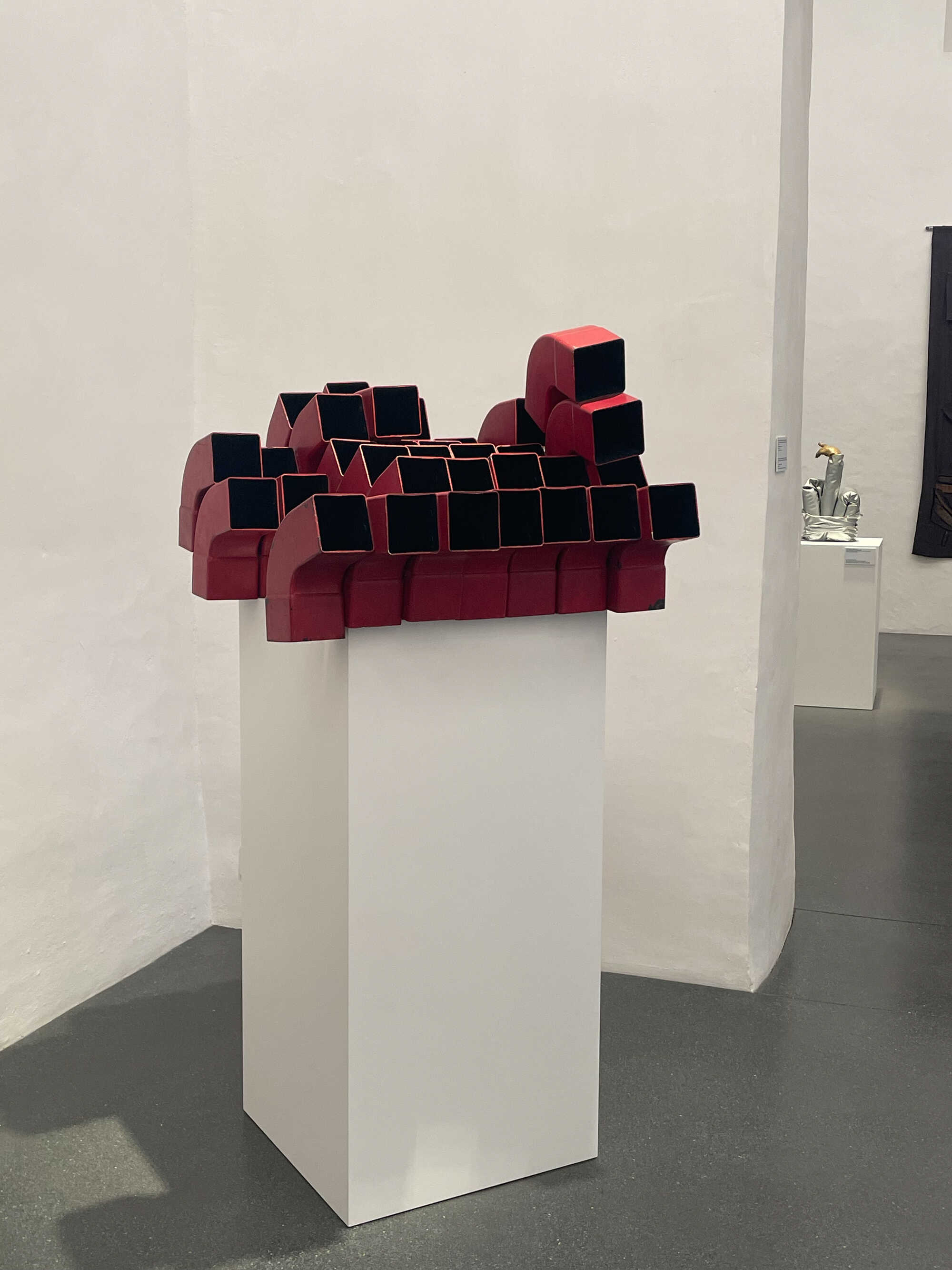
Mariuccia Secol creates collages and objects from cut-up and shredded clothing. She puts metal sponges together to form surfaces, wraps foam objects in silver plastic foil, and assembles instruments from construction materials. Her artistic techniques are dramatic, and her themes are relevant, focusing on issues such as violence against women, international conflicts, the marginalisation of minorities, and the plight of refugees. The exhibition Mariuccia Secol: Unravelling, at the Muzeum Susch in the Swiss Canton of Grisons, showcases the work of the 97-year-old Italian artist until 1 November 2026.
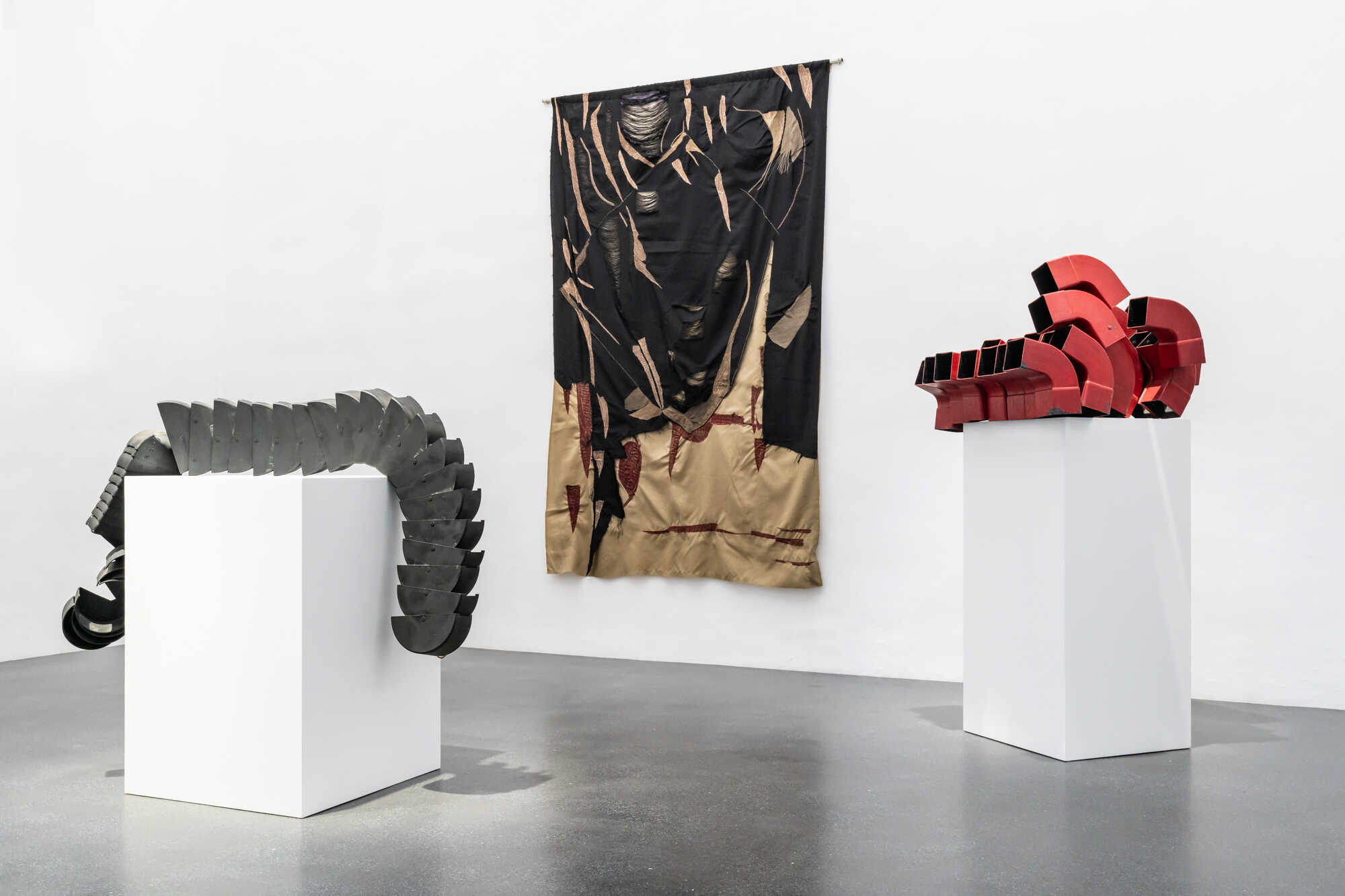
Mariuccia Secol began her artistic journey in the 1950s. Born in 1929 into a working-class family in the northern Italian town of Varese, she never attended an art school. Instead, she took art courses and received private tuition. She also led a painting atelier at the Bizzozero psychiatric hospital for over 20 years, which significantly influenced her creative path. Franco Basaglia, the psychiatrist and neurologist who was director of the hospital at the time, is still considered one of the most important figures in the field of Italian psychiatric history thanks to his revolutionary reforms. Basaglia encouraged doctors and care personnel to acknowledge patients as equal dialogue partners and treat them accordingly. He denounced the abuses and grievances taking place at the psychiatric clinics in Italy, where thousands of compulsorily admitted patients were deprived of their civil rights and subdued by electroshock therapy and medication, with no prospect of returning to normal life. But that is a different topic.
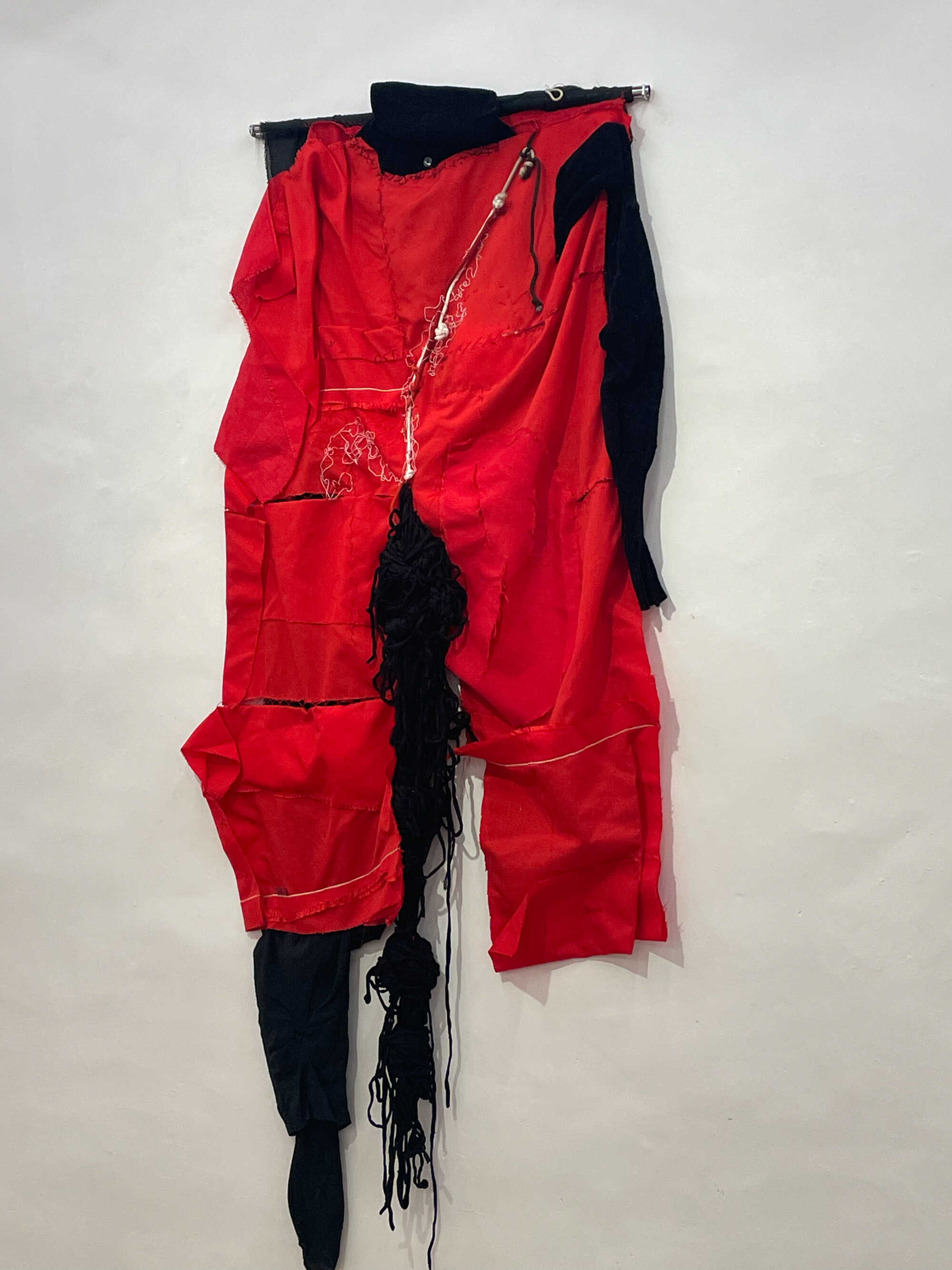
Put down your brushes – this could be used to describe Mariuccia Secol’s work. During the 1960s, the prevailing opinion was that men should paint, while women should sew, stitch, knit and crochet. Art versus domestic or care work? Not for Mariuccia Secol! She views dresses, aprons, everyday clothing and household materials as instruments of women’s oppression. So, she transforms them into resources and symbols of refusal and resistance. Instead of weaving or sewing a garment, Secol pulls threads loose from the fabric’s structure. She dismantles clothing (including her own wedding dress), tears aprons and gloves into pieces, and then sews them back together. In her artwork, these materials serve as a vehicle for exploring memories, trauma, and identity. The gaps and frayed surfaces of the fabric reveal wounds to the female body and to society alike. By bringing to the fore what is hidden and concealed, Secol’s creations simultaneously demonstrate the self-confidence of the individuals who previously wore these garments. For Secol, the woman who is seen (only) as a wife and a mother no longer exists.
In 1974, alongside her daughter, the feminist activist Mirella Tognolla, and the female designer Milli Gandini, Secol co-founded the Gruppo Feminista Immagine di Varese (eng. the Varese Feminist Imagination Group). From that point on, art became a political practice for Secol. Domestic work was refused. “Creativity through refusal” became the group’s slogan as they turned against traditional female roles and domestic violence. In 1978, the group participated in the Venice Art Biennale, presenting a round-shaped installation comprising thousands of postcards featuring nature motifs on the outside and displaying works focusing on motherhood, domestic work, and body awareness on the inside. The group used this contrast to challenge the stereotypical concept of what it means to be a woman. Women should have a voice – their own voice! In the 1980s, Secol disappeared from the spotlight of the established art world. Her work was dismissed as arts and crafts, considered too feminine, and viewed as feminist propaganda. Undeterred, Secol continued working.
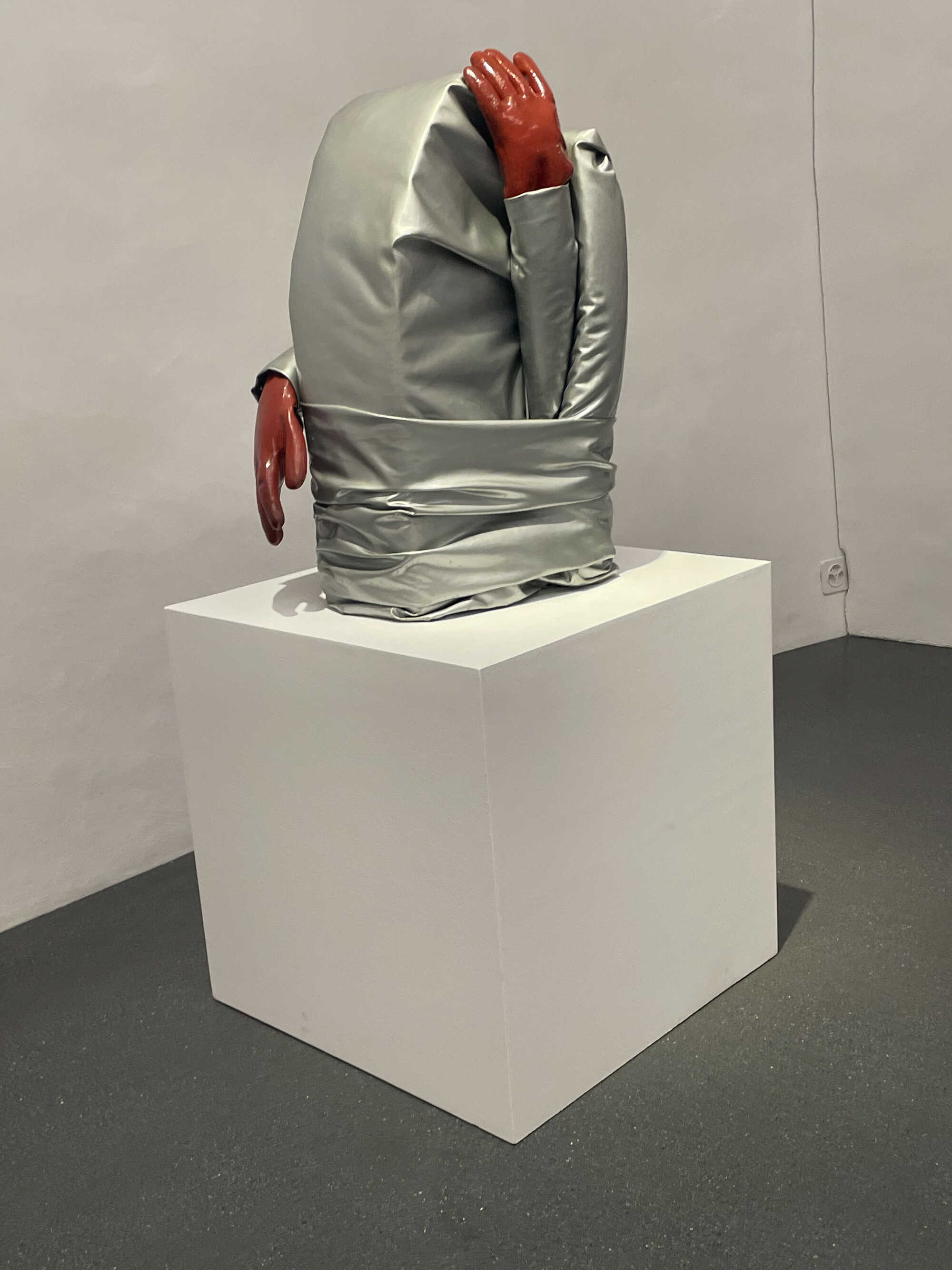
Mariuccia Secol is ahead of her time. At a period when backward-looking social and political demands are gaining popularity, she seems like an artist from a bygone era. Her work connects the fight against oppression and marginalisation with women’s calls for equality.
The retrospective in Susch is more than just an art exhibition. It presents an ‘insurgent archive’, encouraging visitors to broaden their perspective on the past and, above all, to sharpen their view of the present.
Willy Hafner wrote this article in German.
About the author

Willy Hafner
Willy Hafner is a Munich based art historian who helped organize the first and second Sculpture Network Lab in 2019. Since then he has been reporting for us on exciting sculpture projects in Germany and beyond. He is also a member of the Patronage Committee of the Centro Internazionale di Scultura and helps emphasize the economic and cultural significance of the project.
Translation
Elka Parveva-Kern
Elka Parveva-Kern supports Sculpture Network since 2024 as a translator - a wonderful opportunity to combine her long-standing interest in languages and art.