On My Way (2008)
Harold Martin Botanic Garden, University of Leicester
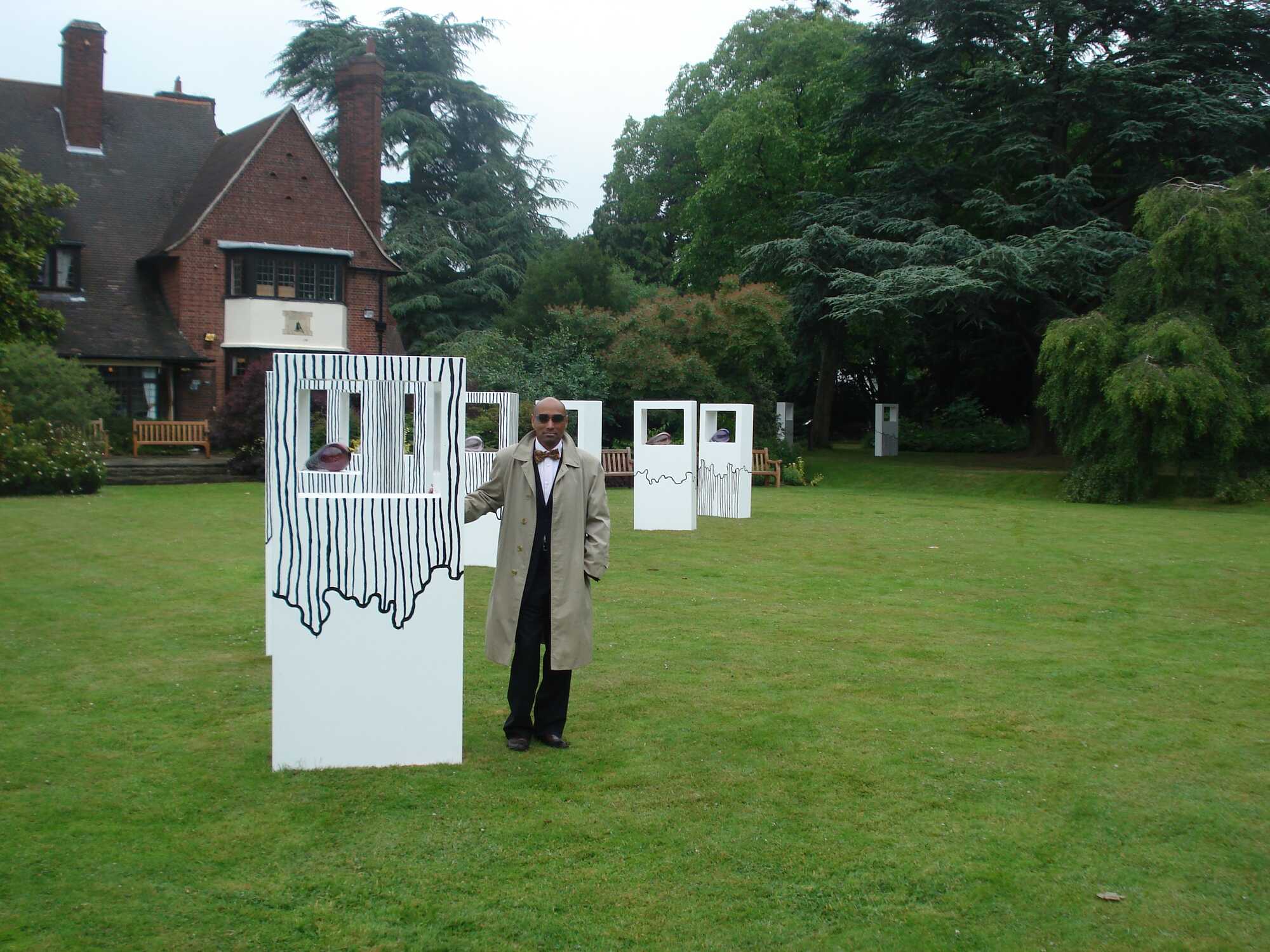
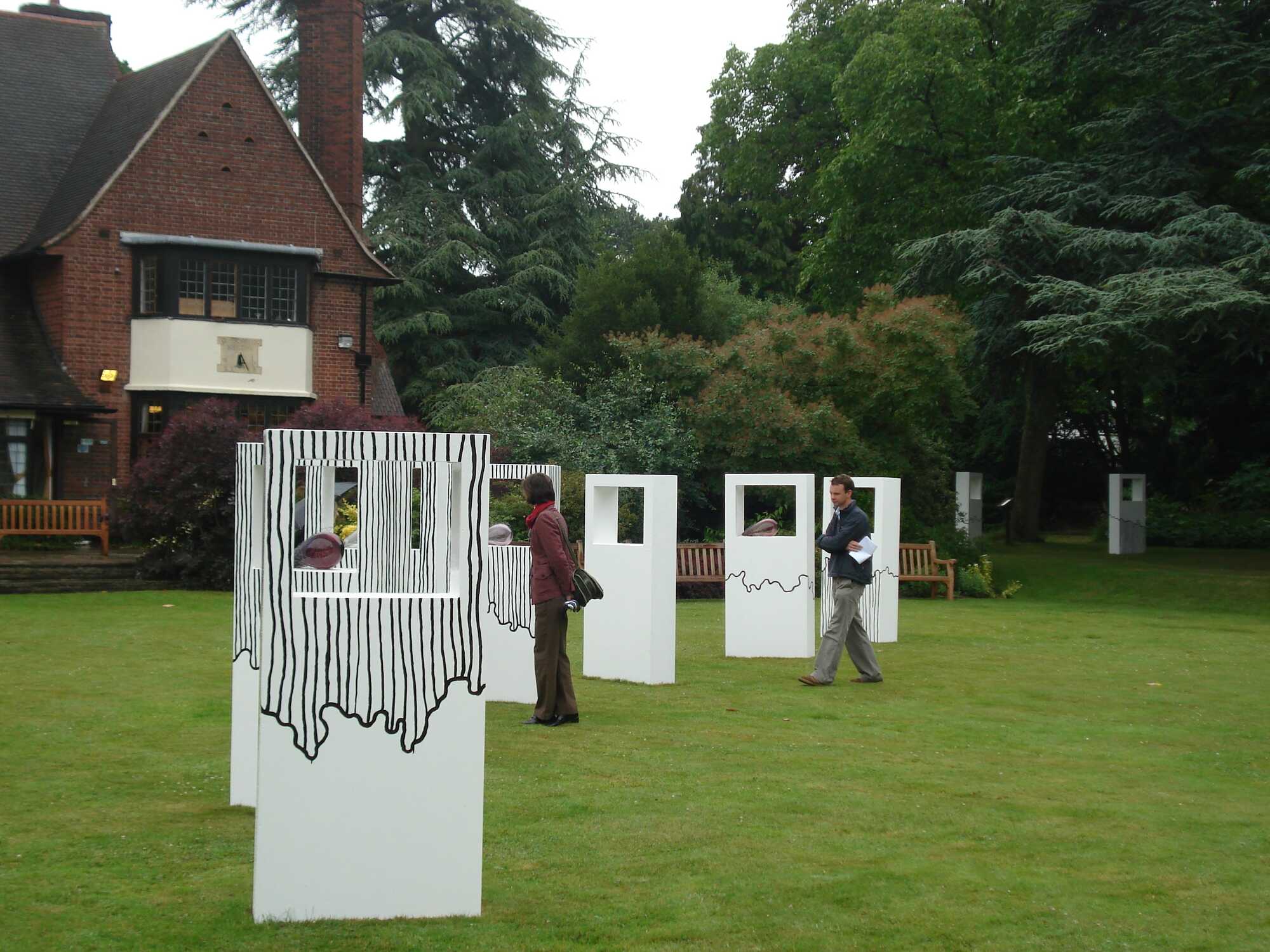
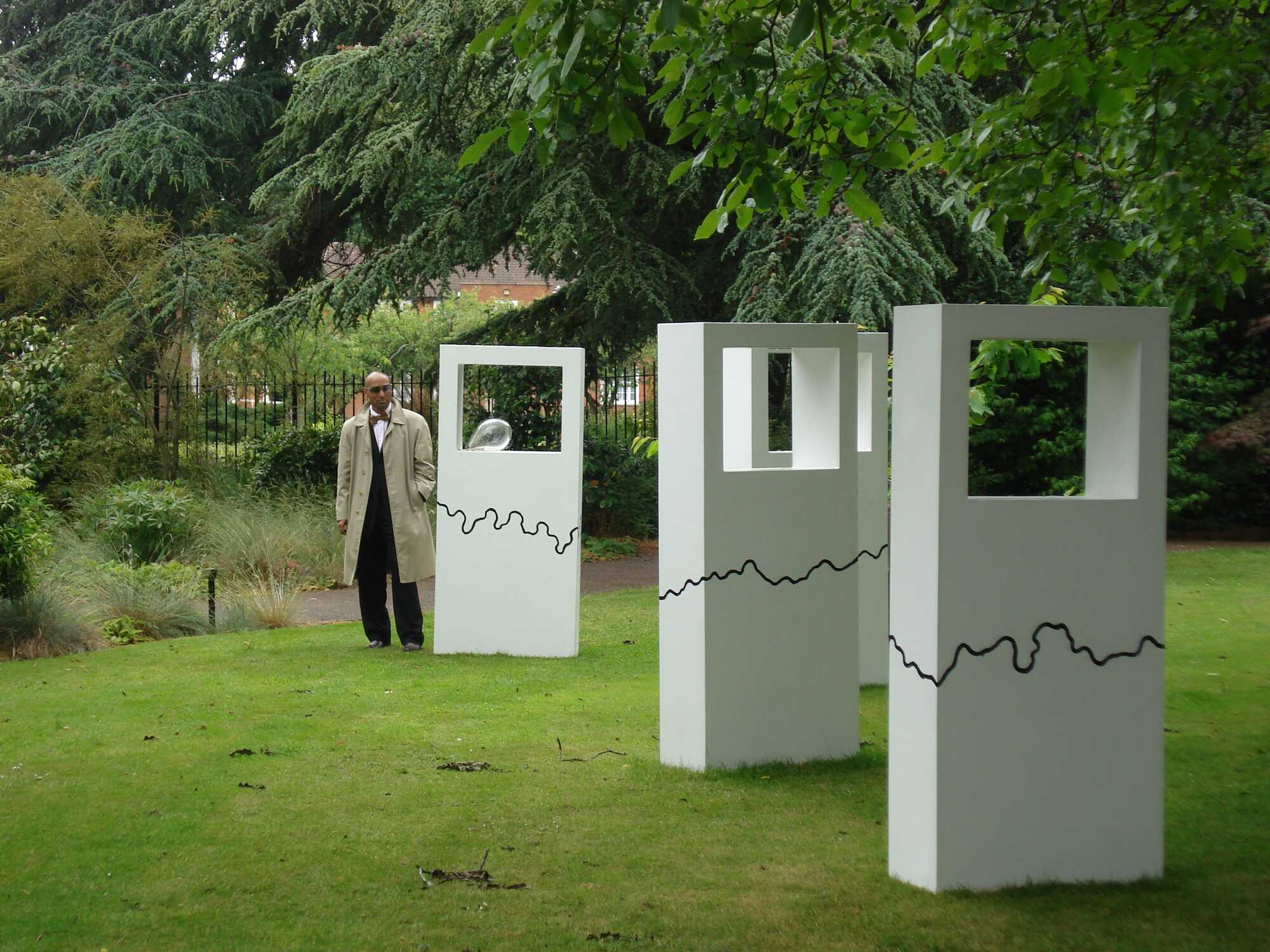
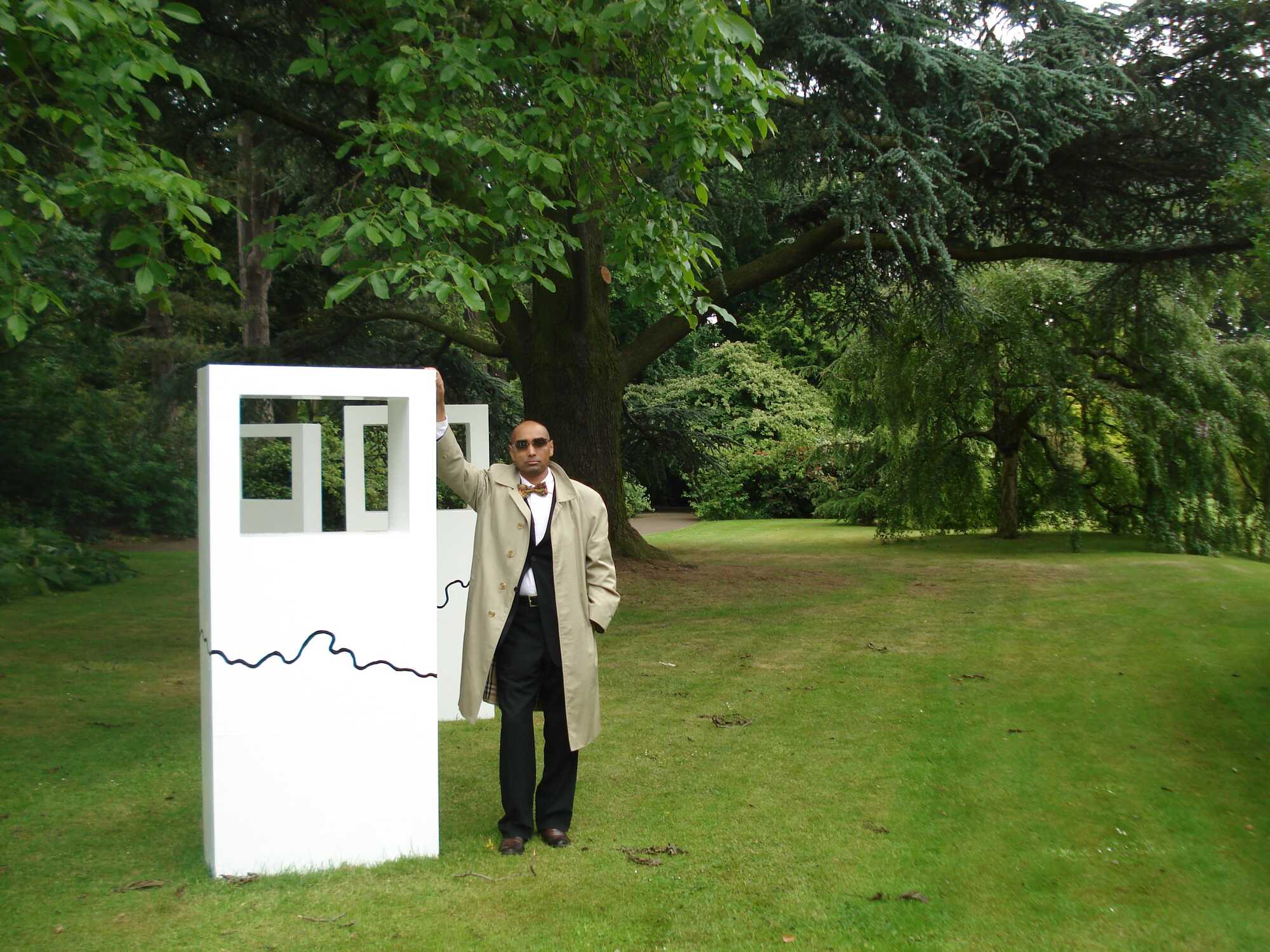
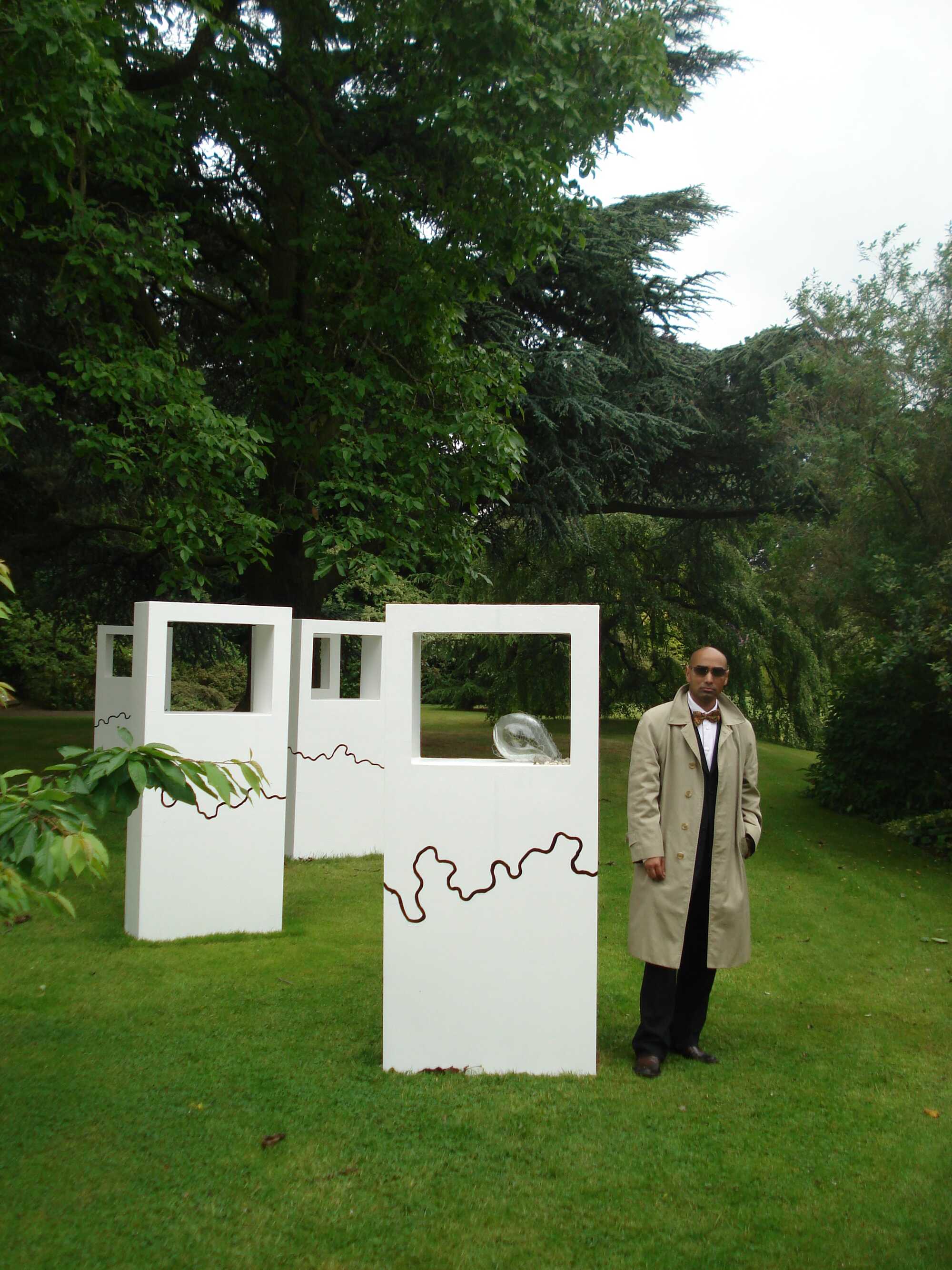
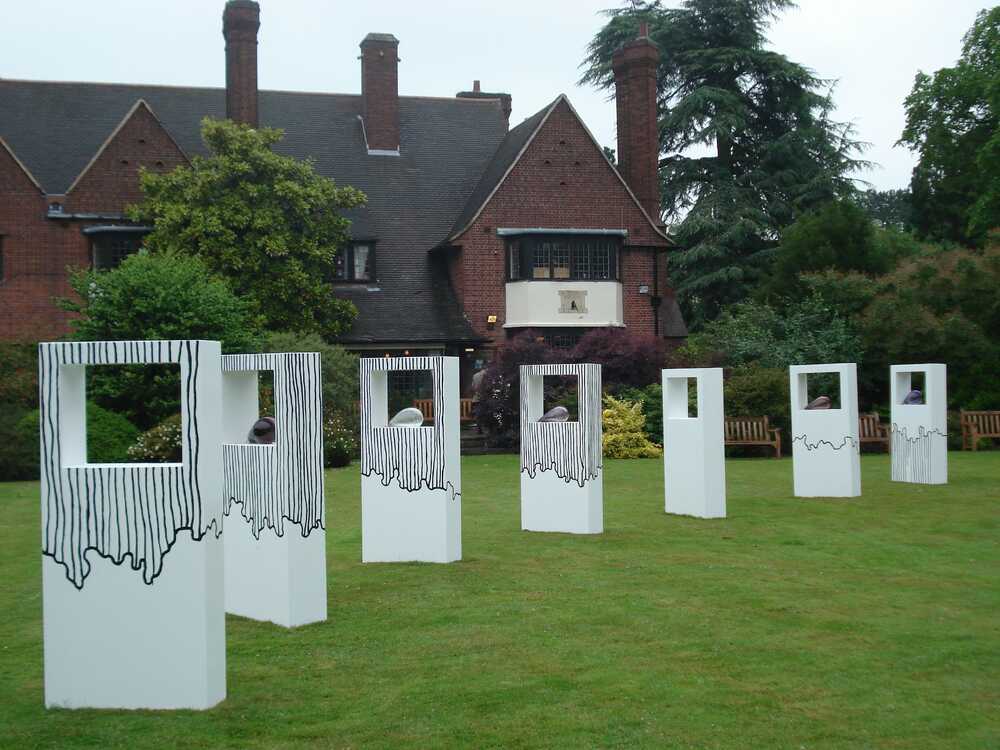
A large-scale site-specific installation extending approximately 50 metres through the landscape and comprising twelve sculptural structures, line drawing, blown glass, stone, and elements of the natural environment. On My Way explores journey, connection, memory, and human experience through a sequence of interconnected forms. Transforming drawing into an inhabitable spatial language, the work invites viewers to move through the landscape, becoming active participants in an evolving narrative where sculpture, nature, and perception continuously interact.
On My Way (2008)
Harold Martin Botanic Garden, University of Leicester
Exhibited in A Sense of Place: Sculpture in the Garden 2008
On My Way is a large-scale site-specific installation created for A Sense of Place at the Harold Martin Botanic Garden, University of Leicester. Extending approximately fifty metres through the landscape and comprising twelve sculptural structures incorporating line drawing, blown glass, stone, and elements of the natural environment, the work investigates the relationship between journey, perception, place, and human consciousness.
Developed within a curatorial framework that examined how contemporary artists engage with nature and public space, the installation approaches the garden not as a backdrop but as an active collaborator. The work establishes a dialogue between constructed form and living environment, dissolving conventional distinctions between sculpture, landscape, and experience. Rather than occupying the site, the installation emerges from it, drawing meaning from its physical, spatial, and temporal conditions.
Distributed throughout the garden, the twelve structures form a sequential pathway through which visitors move both physically and imaginatively. The work unfolds through duration and encounter, encouraging viewers to become participants in an experiential narrative. Each structure represents a moment within a larger continuum, suggesting that human existence is formed through a succession of interconnected passages rather than isolated events.
Central to the installation is the transformation of drawing into space. The line, traditionally confined to the two-dimensional surface, is released into the landscape, extending across sculptural forms and connecting disparate elements into a unified visual language. Through this process, drawing assumes an architectural and environmental presence. The line operates simultaneously as pathway, memory, horizon, rhythm, and metaphor, embodying the invisible connections that shape individual and collective experience.
Embedded within the structures, blown glass elements introduce a contrasting material and symbolic presence. Their translucency and sensitivity to changing light conditions generate moments of reflection and visual concentration within the journey. Positioned between materiality and immateriality, they establish a dialogue between permanence and fragility, stability and transformation, inviting contemplation of the transient nature of perception and memory.
While engaging with traditions of environmental art, site-specific practice, and phenomenology, On My Way ultimately focuses on landscape as lived experience rather than landscape as subject matter. Meaning does not reside in a singular object but emerges through the dynamic relationships between viewer, artwork, movement, and environment. The garden becomes a field of connections in which perception is continually renegotiated and redefined.
Viewed within the broader context of Abu Jafar's practice, On My Way marks an important early articulation of themes that would continue to develop throughout subsequent decades. The work introduces the line as a metaphor for connection, the artwork as an evolving narrative, and the belief that human experience is shaped by invisible relationships linking people, places, memories, and aspirations.
More than an installation about travel or movement, On My Way proposes journeying as a fundamental condition of human existence. It suggests that identity is not fixed but continuously formed through experience, and that every encounter contributes to an unfinished narrative connecting the individual to a larger social, philosophical, and natural world.