Collectors’ Talk: From Collecting to Founding a Museum.

From Collecting to Founding a Museum is the first in an ongoing series of ‘Collectors’ Talk’, at Sculpture Network. This series is dedicated to exploring the world of collecting and the many perspectives it opens: from passion and legacy to responsibility and public engagement.
To start this series, we’re spotlighting one of Germany's most inspiring examples of how a private collection transformed into one of the most important contemporary art museums operating in Germany today. Specifically, the Sprengel Museum, founded in the 1970’s by collector Bernhard Sprengel. The museum houses an outstanding collection of expressionism and postwar abstraction and has since expanded into a leading institution for modern and contemporary art.
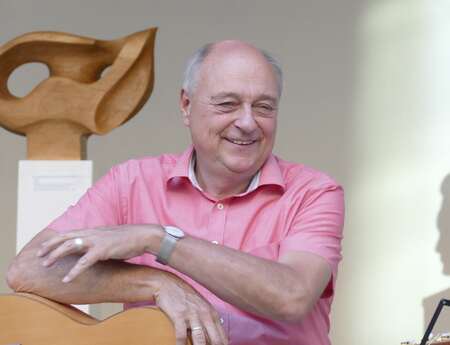
This conversation brought together; Tilman Kriesel, independent art advisor and grandson of the museum’s founder, Reinhard Spieler, Director of the Sprengel Museum and was moderated by Natasha Bergmann, art advisor and Member of the Curatorial Board at Sculpture Network.
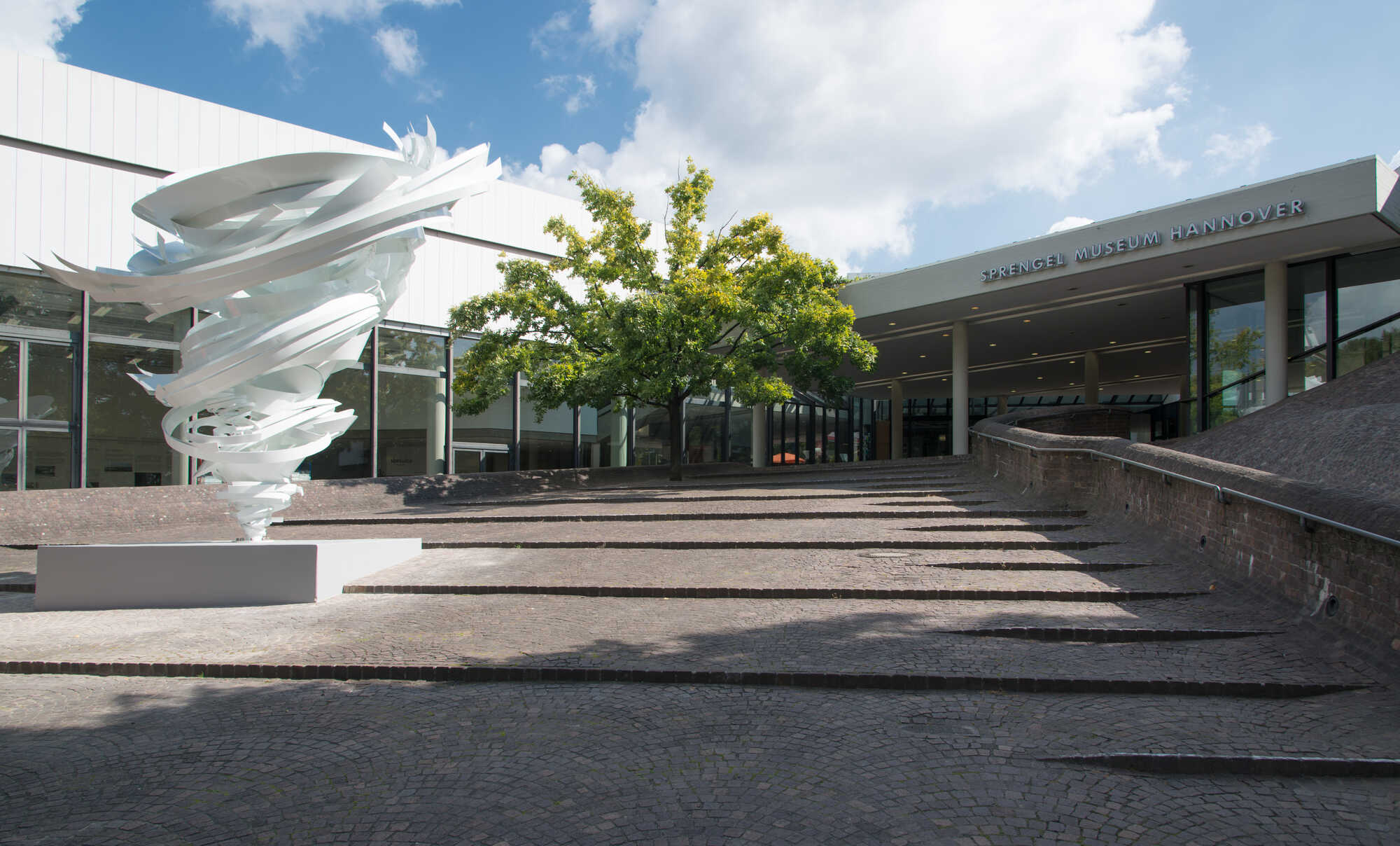
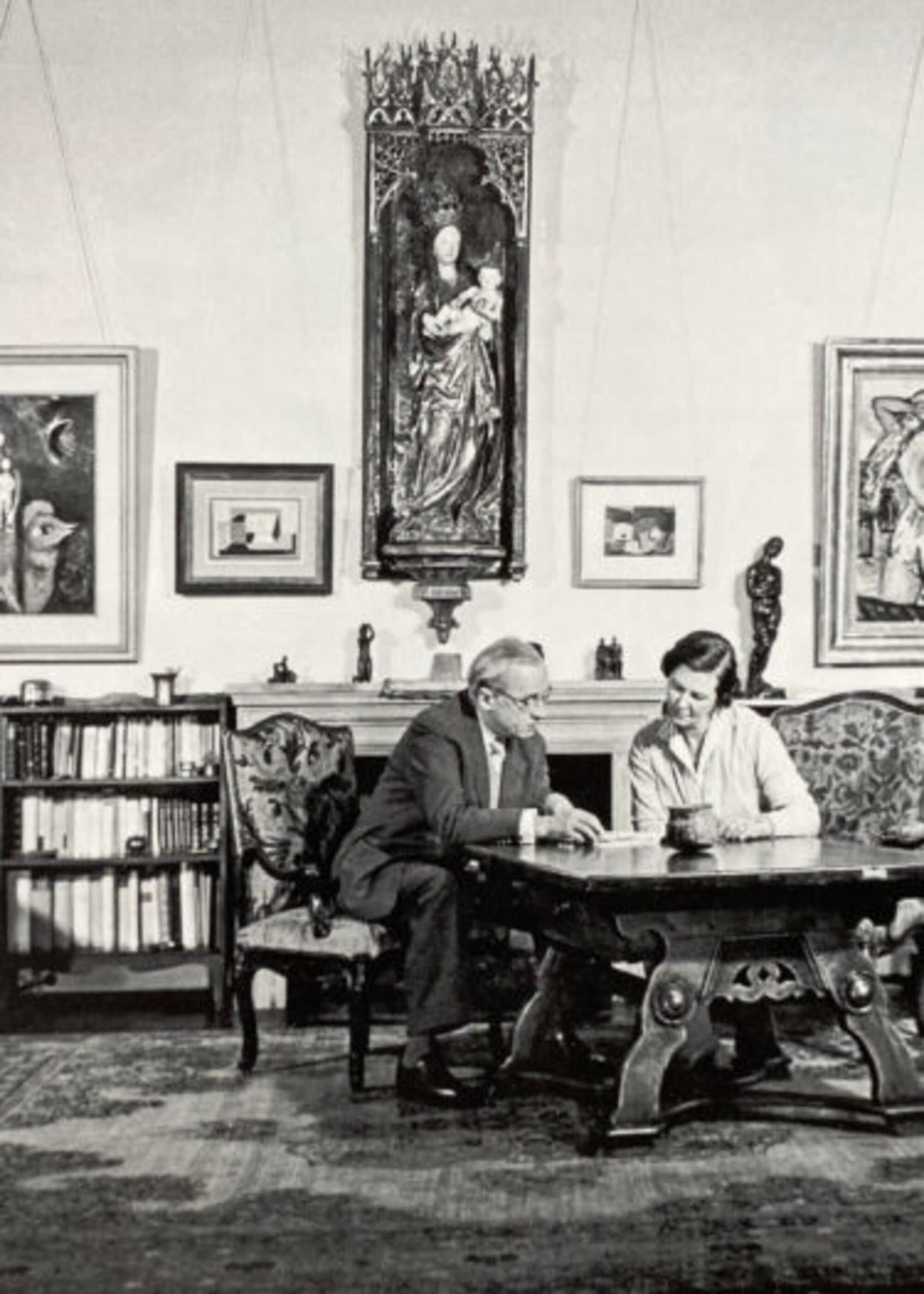
Reinhard then went on to explain in further detail the history of Sprengel Museum. After the Sprengel’s had built their art collection over many years the couple wanted to make the collection more publicly visible. This resulted in an exhibition at Hannover’s Kestner Gesellschaft. After a positive public reception, they decided to donate the collection to the city of Hannover and give an additional 250 million Deutsche Mark to build a new museum. This resulted in the founding of Sprengel Museum. He notes that the couple generously donated without an expectation of being involved with the museum. Which allowed the institution to grow into the museum it is today.
Natasha then went on to ask how people today can turn their own private collections into public museums?
Reinhard responded saying first and foremost it is the quality of the artworks that is most important. There must be a huge interest for the public if they were to fund it. It is very rare to start a public museum based on a single collection because mostly collections are combined to create a museum. In the case of the Sprengel Museum, the Sprengels provided the founding collection but the museum collection also now includes works from the state collection, city collection as well as other private collections. In many ways a collection does not become a museum but is rather a catalyst for the museum.
Tilman then reinforced this opinion. For him he believes that art should be public and tries to donate most of the artwork he has acquired. He also believes that collections should not be tied to egos and donating collections to museums allows the artwork to live on in public life in a more democratic way. He views this as an important part of his grandparents’ legacy. That they gifted their collection to the city without any expectation - making it a true gift to the city rather than an extension of their ego and legacy.
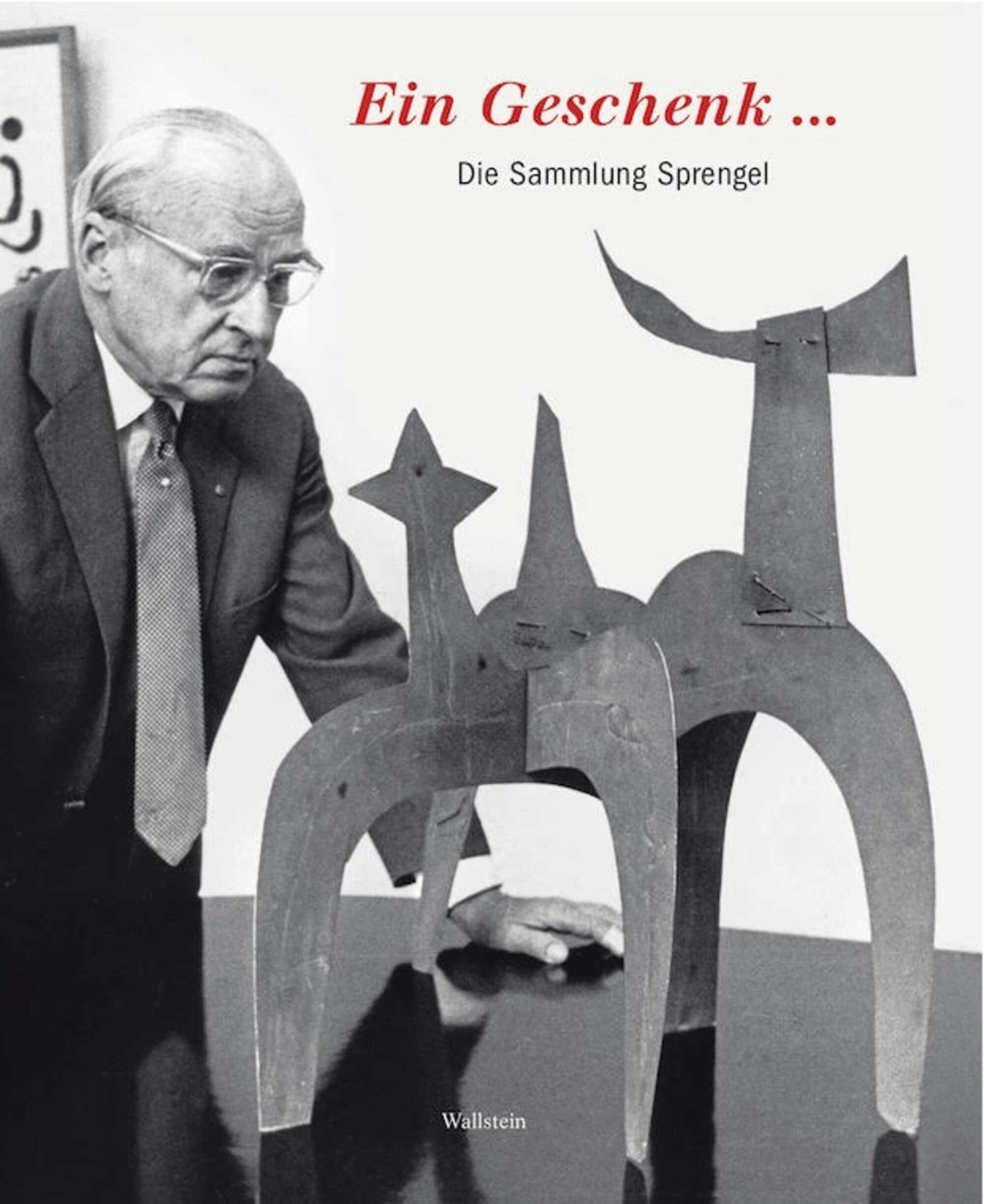
He elaborates that it is also important to think about the intentions behind the collection. If there is really a special quality or specialized interest in a collection, it would be important to keep the artworks together. However, if the collection is a bit more broad, it can be dispersed and donated to multiple different institutions. It is also important to think about which existing museums you might like to donate to and how you can add value not only to that museum but to the surrounding regions as well, and the impact that could have on the public.
To close Natasha asks about the future of private art collections. She notes that more and more private collections are becoming public museums, especially in Europe. She asks both Reinhard and Tillman where they think the future of private collections are heading.
Tilman agrees that there is a lot of value in making private collections public but questions whether we need new museums to house them. There are so many existing institutions that can house and can take of these collections.
Reinhard agrees with Tillman's approach to collect and donate with intention. He notes that when collecting it is important to prioritise quality over quantity. Truly valuable collections contain artworks that engage in critical dialogue about the world around us. And it is important for collectors to really consider this over time and not only prioritise collecting artwork by ‘blue chip’ artists. They both agree that art should function as something that makes you curious and open to the world. And that collectors have the ability to facilitate this exchange by making their collections public.
Myfanwy Halton wrote this text in English.
About the author
Myfanwy Halton
Myfanwy Halton is a writer and producer from Australia and is based in Munich.
Translation
Elka Parveva-Kern
Elka Parveva-Kern supports Sculpture Network since 2024 as a translator - a wonderful opportunity to combine her long-standing interest in languages and art.